Forensic & Criminological Matrix
| Parameter | Forensic Detail |
|---|---|
| Forensic Heading / Aliases | Murphy |
| Legal Identity | John Williams |
| Confirmed Victims | 0 (due to fugitive/pre-trial death status) |
| Attributed / Indicted Victims | 7 |
| Active Timeline | December 1811 |
| Jurisdiction / Area of Operations | London, United Kingdom |
| Criminological Classification | Mass murderer / Suspect |
| Forensic Modus Operandi | Forced entry, blunt force trauma, and throat-slitting |
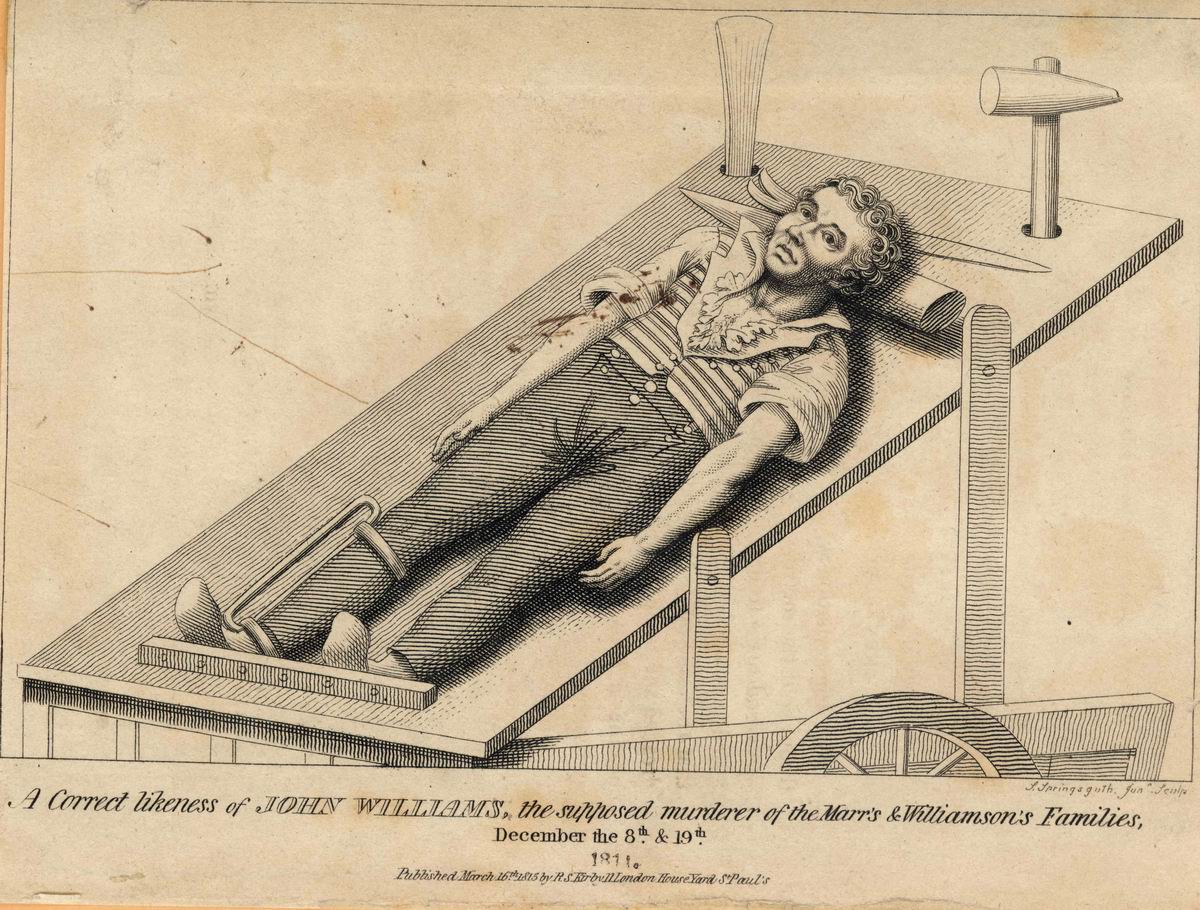
| Weapon / Mechanism of Death | Carpenter's maul and razor |
| Motive / Behavioral Dynamics | Unknown / Possible personal grievance |
| Judicial Outcome | Unsolved / Suicide in custody |
1. Background and Psychopathy
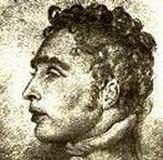
John Williams was a 27-year-old seaman of Scottish or Irish descent. Living at the Pear Tree public house, he became the focal point of the investigation into the Ratcliff Highway murders. Historical analysis suggests he was a convenient suspect for authorities under immense public pressure.
2. Crime Spree
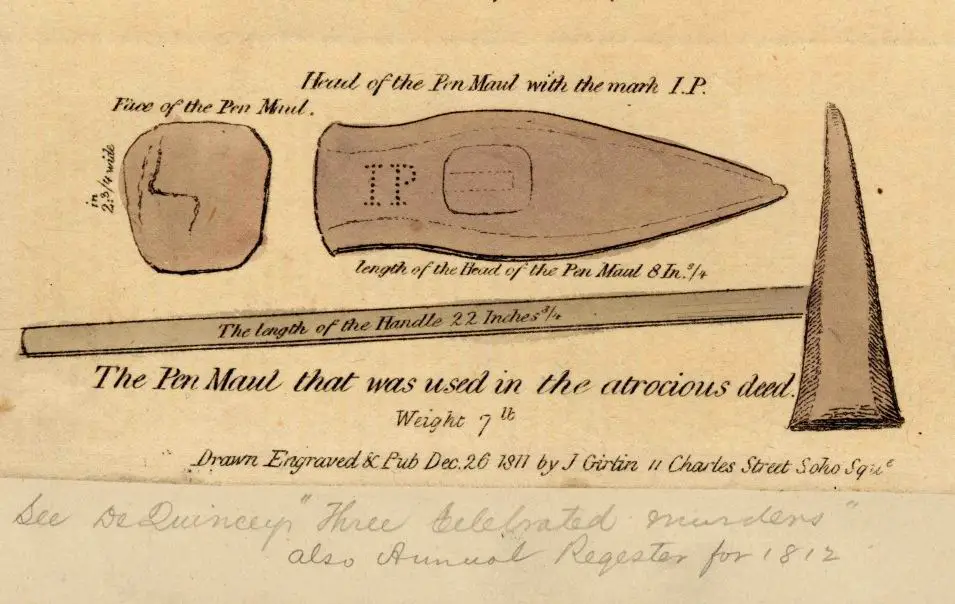
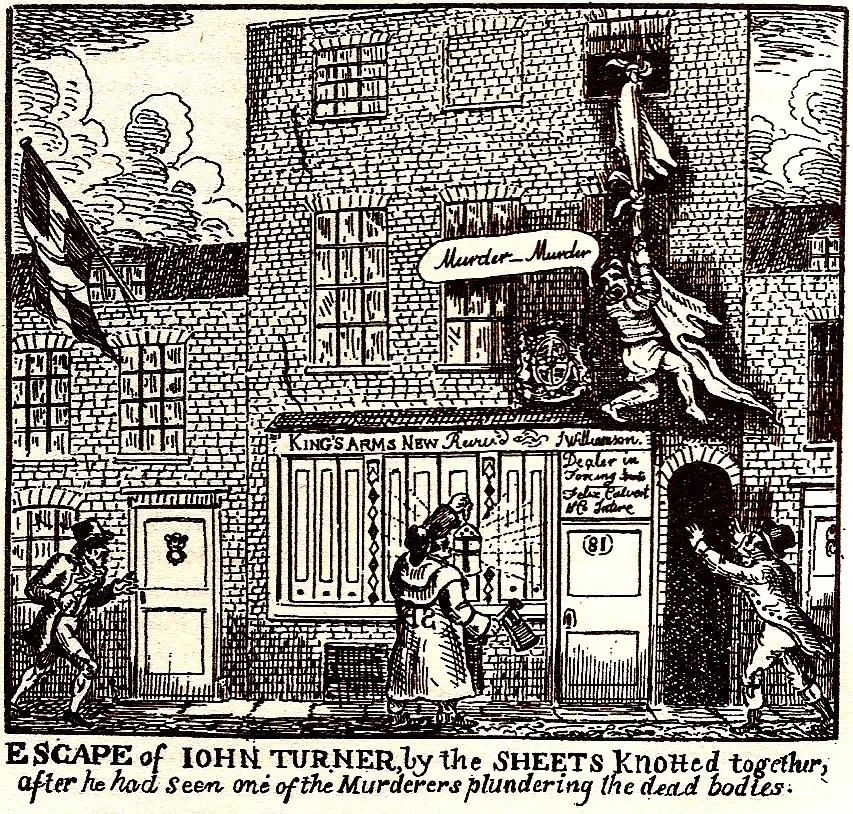
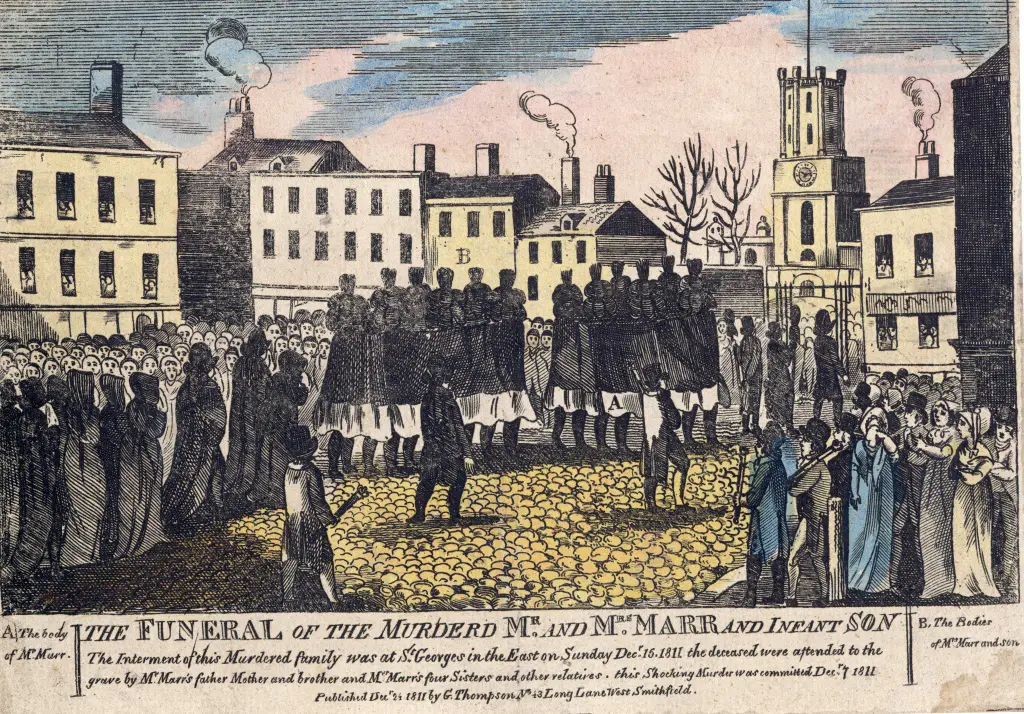
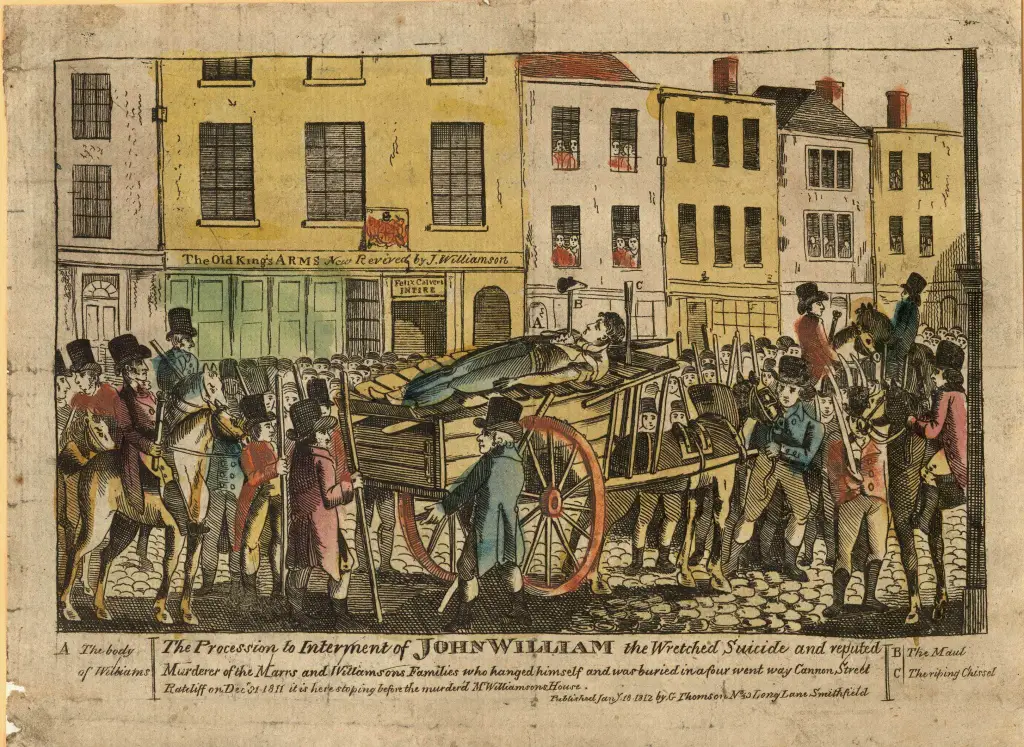
The murders targeted two households. On December 7, 1811, the Marr family and their apprentice were killed. On December 19, the Williamson family and their servant were murdered at The Kings Arms. The brutality of the attacks, involving a maul and a razor, shocked the nation.
3. Investigation and Arrest
Police efforts were hampered by a lack of modern forensic techniques. Williams was arrested based on circumstantial evidence, including bloodstained clothing and his proximity to the crime scenes. However, other suspects, such as William Ablass, were largely ignored.
4. Legal Proceedings and Outcome
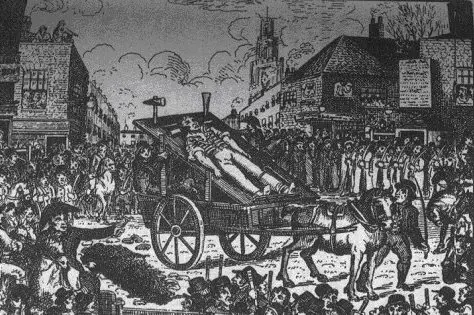
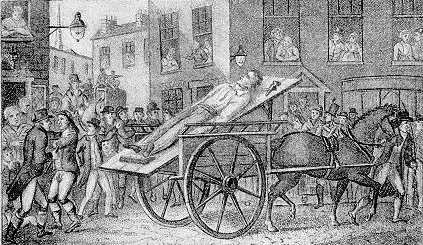
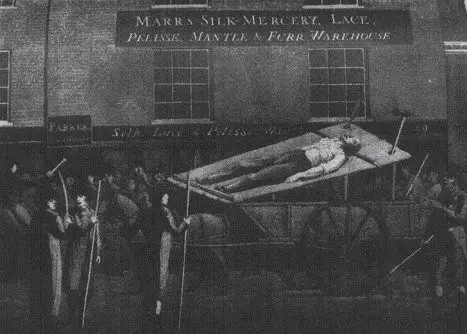
Williams died by suicide in Coldbath Fields Prison on December 28, 1811. His death effectively closed the official investigation, though modern criminologists, such as P.D. James, argue that the truth remains obscured by the authorities' desire for a quick resolution.