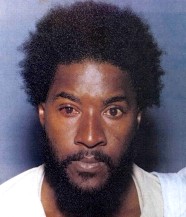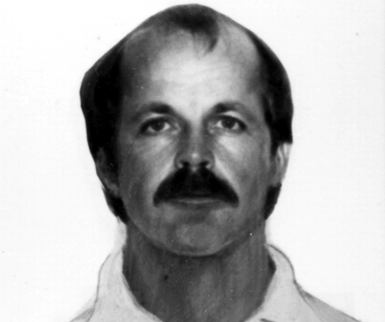




Forensic & Criminological Matrix
| Parameter | Forensic Detail |
|---|---|
| Forensic Heading / Aliases | None |
| Legal Identity | Christopher Williams |
| Confirmed Victims | 4 |
| Attributed / Indicted Victims | 4 |
| Active Timeline | 1989 |
| Jurisdiction / Area of Operations | Germantown, Pennsylvania, USA |
| Criminological Classification | Multiple Murderer |
| Forensic Modus Operandi | Firearm execution and body disposal |
| Weapon / Mechanism of Death | Firearm (gunshot wounds) |
| Motive / Behavioral Dynamics | Robbery, drugs, and criminal power demonstration |
| Judicial Outcome | Sentenced to death (deceased in prison) |
1. Background and Profile
Christopher Williams was born on January 11, 1960. He established himself as a violent criminal in the Philadelphia area, with a criminal record characterized by robbery and drug trafficking. His psychological profile, as presented in court, indicated a profound lack of empathy and a need for validation through extreme violence.
2. Crime Spree
On February 18, 1989, Williams murdered 63-year-old taxi driver William Graham by shooting him in the back of the head. Testimony revealed this killing was committed to prove his ability to murder an innocent person. On September 25, 1989, Williams murdered three drug dealers from New York: Otis Reynolds (22), Kevin Anderson (19), and Gavin Anderson. The victims were carrying $26,400 in drug money intended for weapon purchases. Williams executed them and dumped their bodies in various locations.
3. Investigation and Arrest
Philadelphia authorities conducted the investigation, successfully linking Williams to the homicides through forensic evidence and witness testimony. The investigation was complicated by the disposal of bodies in multiple locations and the criminal nature of the victims' activities.
4. Legal Proceedings and Outcome
In 1993, Williams was sentenced to three consecutive death sentences for the murders of the three drug dealers. He received a life sentence for the murder of William Graham. The Pennsylvania Supreme Court upheld the death sentence on October 2, 1998. Despite a scheduled execution date of March 23, he received a stay, which was later lifted after the US Supreme Court denied his petition.
5. Psychiatric Assessment and Conclusion
Christopher Williams remained incarcerated until his death in 2022. His case remains a notable example of gratuitous violence, particularly the murder of the taxi driver, which served as a critical aggravating factor in his sentencing.