Forensic & Criminological Matrix
| Parameter | Forensic Detail |
|---|---|
| Forensic Heading / Aliases | None |
| Legal Identity | Beauford James White |
| Confirmed Victims | 6 |
| Attributed / Indicted Victims | 6 |
| Active Timeline | 1977 |
| Jurisdiction / Area of Operations | Carol City, Florida, USA |
| Criminological Classification | Mass Murderer (Accomplice) |
| Forensic Modus Operandi | Home invasion, armed subjugation, and summary execution |
| Weapon / Mechanism of Death | Handguns and sawed-off shotgun |
| Motive / Behavioral Dynamics | Robbery and drug-related dispute |
| Judicial Outcome | Death penalty, executed in 1987 |
1. Background and Psychopathy
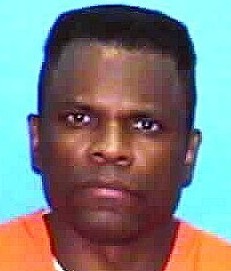
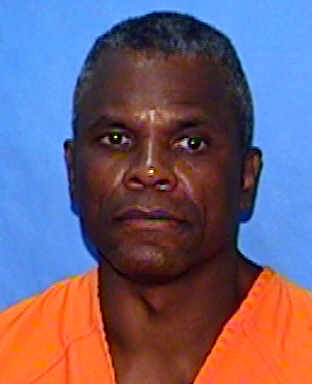
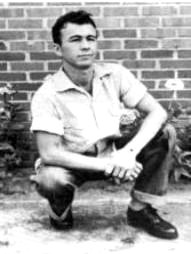
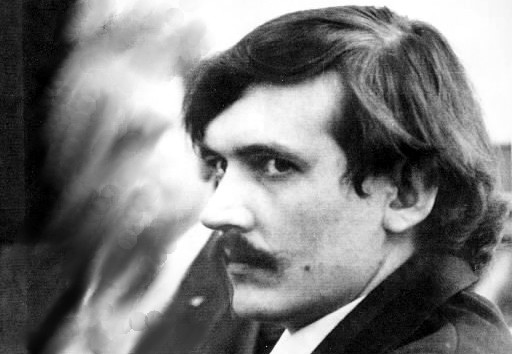
Beauford James White (1945–1987) was an American criminal involved in the infamous Carol City murders. Operating alongside John Errol Ferguson and Marvin Francois, White played a critical role in a violent criminal enterprise that resulted in the deaths of six people. His involvement was characterized by voluntary participation in a high-stakes robbery that escalated into mass murder.
2. Crime Spree
On July 27, 1977, White and his co-conspirators targeted the residence of Livingston Stocker. Posing as utility workers, they gained entry and proceeded to bind and gag eight victims. Over the course of several hours, the victims were held at gunpoint while the house was ransacked. Following a dispute among the perpetrators, Ferguson and Francois systematically executed six of the victims by shooting them in the back of the head. White remained armed and present throughout the ordeal, actively guarding the victims.
3. Investigation and Arrest
Law enforcement relied on the testimony of two survivors, Margaret Wooden and Johnnie Hall, who miraculously survived gunshot wounds to the head. The state also secured the cooperation of Adolphus Archie, the group's getaway driver. Forensic evidence, specifically a partial fingerprint found on a stereo cover, provided the physical link between White and the crime scene.
4. Legal Proceedings and Outcome
White was arrested on September 2, 1977. He confessed to his role in the robbery but attempted to mitigate his culpability by claiming he was unaware that lethal force would be used. His legal team challenged the death sentence under the Enmund v. Florida precedent. However, the courts found that his active participation, knowledge of the weapons, and failure to intervene or disassociate from the killings established the necessary mens rea for capital punishment. He was executed in 1987.