




Forensic & Criminological Matrix
| Parameter | Forensic Detail |
|---|---|
| Forensic Heading / Aliases | null |
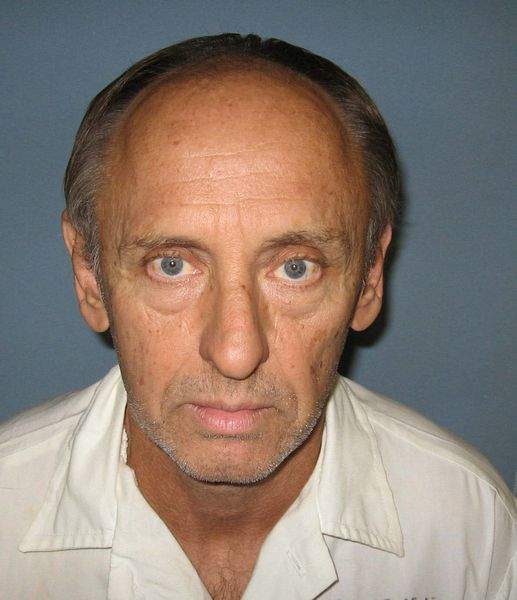
| Legal Identity | Thomas Warren Whisenhant |
| Confirmed Victims | 3 |
| Attributed / Indicted Victims | 4 |
| Active Timeline | 1975 - 1976 |
| Jurisdiction / Area of Operations | Mobile County, Alabama |
| Criminological Classification | Serial Killer |
| Forensic Modus Operandi | Abduction, rape, execution, and sadistic mutilation |
| Weapon / Mechanism of Death | .32 caliber pistol and knife |
| Motive / Behavioral Dynamics | Paranoid schizophrenia, necrosadism, Oedipal fixation |
| Judicial Outcome | Executed by lethal injection |
1. Background and Psychopathy
Thomas Warren Whisenhant was born in 1947 in Prichard, Alabama. His upbringing was defined by an intensely dysfunctional environment, dominated by an overbearing mother who systematically emasculated his father. Psychiatric evaluations described Whisenhant as suffering from severe schizoid personality disorder with paranoid traits and necrosadistic tendencies, stemming from a stunted emotional development and an unhealthy fixation on his mother.
2. Crime Spree
Whisenhant's criminal activity targeted vulnerable women, specifically convenience store clerks. He would abduct them at gunpoint, transport them to secluded areas, rape them, and execute them with a .32 caliber pistol. His signature behavior involved returning to the crime scenes to perform gruesome mutilations on the corpses, which experts identified as a manifestation of his deep-seated psychological pathology.
3. Investigation and Arrest
Following the abduction of Cheryl Lynn Payton in October 1976, witnesses alerted authorities. A high-speed chase ensued, ending in a wooded area. Whisenhant surrendered after his wife pleaded with him over a police loudspeaker. Upon arrest, he provided a detailed confession regarding the murders of Payton, Venora Hyatt, and Patricia Hitt.
4. Legal Proceedings and Outcome
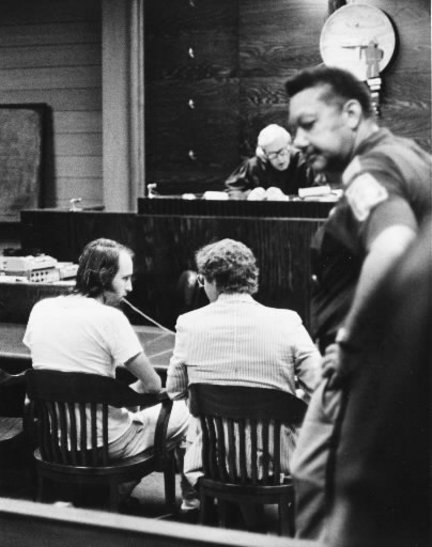
Whisenhant's legal journey spanned over three decades. He was sentenced to death in 1977, but the case faced multiple reversals due to prosecutorial misconduct and procedural errors. After three separate sentencing trials, he remained on death row for over 32 years, becoming the longest-serving inmate in Alabama history before his execution in 2010.
5. Psychiatric Assessment
Despite defense claims of insanity, courts consistently found Whisenhant competent to stand trial. Experts noted that while his childhood was abnormal, he possessed the capacity to distinguish right from wrong. His execution in 2010 concluded a long-standing legal saga that highlighted the complexities of capital punishment and mental health in the American justice system.