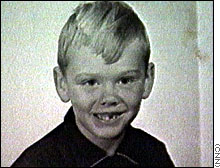
Forensic & Criminological Matrix
| Parameter | Forensic Detail |
|---|---|
| Forensic Heading / Aliases | Rusty |
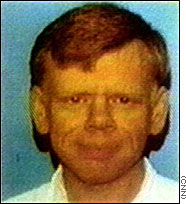
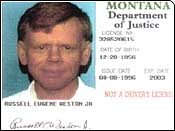
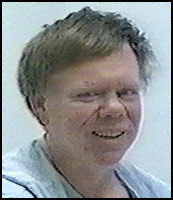
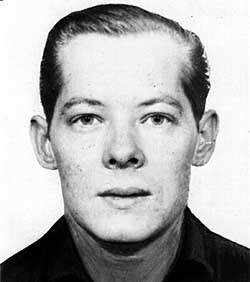
| Legal Identity | Russell Eugene Weston Jr. |
| Confirmed Victims | 2 |
| Attributed / Indicted Victims | 2 |
| Active Timeline | July 24, 1998 |
| Jurisdiction / Area of Operations | Washington, D.C., United States |
| Criminological Classification | Mentally ill offender (Paranoid Schizophrenia) |
| Forensic Modus Operandi | Armed breach of high-security government facility |
| Weapon / Mechanism of Death | Smith & Wesson .38 handgun |
| Motive / Behavioral Dynamics | Messianic delusions and severe paranoia |
| Judicial Outcome | Indefinite psychiatric commitment due to mental incompetence |
1. Background and Profile
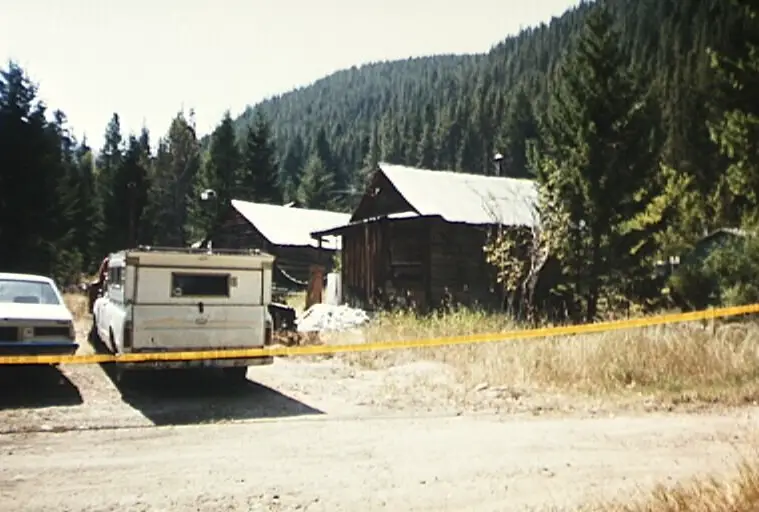
Russell Eugene Weston Jr., born in 1956, had a long-standing history of paranoid schizophrenia. Prior to the 1998 incident, he had been institutionalized multiple times in Montana due to erratic behavior and threats, highlighting a failure in the mental health monitoring system.
2. Crime Spree
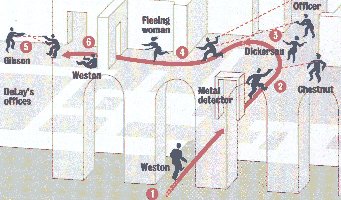
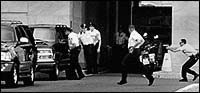
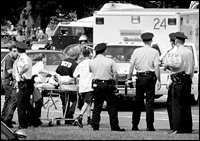
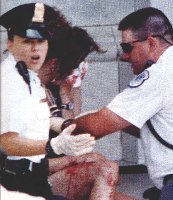
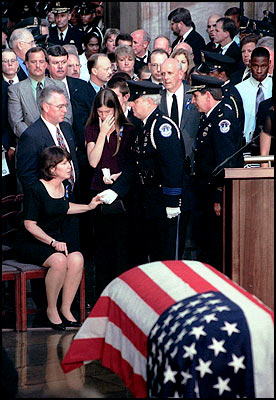
On July 24, 1998, Weston entered the U.S. Capitol building. He immediately opened fire on Capitol Police officers at the East Front entrance. The assault resulted in the tragic deaths of two federal officers.
3. Investigation and Arrest
Law enforcement neutralized Weston after a brief shootout. Forensic evidence confirmed the use of a .38 caliber handgun. Investigators found that Weston was driven by complex delusions involving government conspiracies.
4. Legal Proceedings and Outcome
Weston was found mentally incompetent to stand trial. Consequently, he was committed to a federal psychiatric facility indefinitely, as he remained a danger to himself and others.
5. Psychiatric Evaluation and Conclusion
The forensic psychiatric consensus identified chronic, treatment-resistant schizophrenia. He remains in secure custody, with no prospect of release given the severity of his condition.