Forensic & Criminological Matrix
| Parameter | Forensic Detail |
|---|---|
| Forensic Heading / Aliases | Rocky |
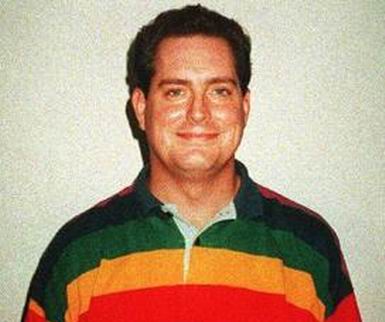
| Legal Identity | Joseph Thomas Wesbecker |
| Confirmed Victims | 8 |
| Attributed / Indicted Victims | 8 |
| Active Timeline | September 14, 1989 |
| Jurisdiction / Area of Operations | Louisville, Kentucky, USA |
| Criminological Classification | Mass Murderer |
| Forensic Modus Operandi | Armed assault with assault rifle and handguns in workplace |
| Weapon / Mechanism of Death | AK-47, MAC-11, .38 revolver, 9mm pistol |
| Motive / Behavioral Dynamics | Revenge, depressive and manic-depressive disorder |
| Judicial Outcome | Perpetrator suicide at the scene |
1. Background and Psychopathy
Joseph Thomas Wesbecker was born on April 27, 1942. His early life was defined by the loss of his father at 13 months old. Raised by his mother, he struggled with instability throughout his youth. After joining Standard Gravure in 1971, he initially maintained a reputation as a hard worker. However, by 1978, his life began a downward spiral characterized by divorce and severe mental health issues, including multiple psychiatric hospitalizations for depression and manic-depressive disorder.
2. Crime Spree
On September 14, 1989, at 8:30 a.m., Wesbecker entered the Standard Gravure plant armed with an AK-47, two MAC-11s, a .38 revolver, and a 9mm pistol. He systematically moved through the building, targeting management and shooting anyone in his path. He killed 8 individuals and wounded 12 before taking his own life in the pressroom.
3. Investigation and Arrest
Police investigation of his home revealed a significant cache of weapons and literature regarding other mass shootings. Evidence suggested he had been planning the attack for months, fueled by paranoia and perceived workplace discrimination.
4. Legal Proceedings and Outcome
Due to the perpetrator's suicide, no criminal trial took place. The case became famous for the civil lawsuit against Eli Lilly, the manufacturer of Prozac, which Wesbecker had recently begun taking. The jury found in favor of the pharmaceutical company, though later revelations indicated a clandestine settlement was reached.