


Forensic & Criminological Matrix
| Parameter | Forensic Detail |
|---|---|
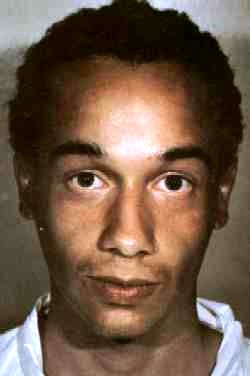
| Full Legal Name | Wendell Willis Lightbourne |
| Media Monikers | The Bermuda Beach Killer |
| Nationality | British / Bermudian |
| Date of Birth | 1940 (Bermuda, British Overseas Territory) |
| Current Legal Status | Indefinite psychiatric penal confinement (transferred to Broadmoor High-Security Hospital, England) |
| Judicial Sentence | Sentenced to death by hanging in 1959; commuted by the Governor of Bermuda to life imprisonment in secure psychiatric custody |
| Confirmed Homicide Victims | 3 women (Gertrude Robinson, 72; Dorothy Pearse, 59; Dorothy Rawlinson, 29) |
| Active Criminal Span | March to September 1959 |
| Geographic Jurisdiction | Beaches, coastal paths, and isolated coves of Bermuda |
| Criminological Typology | Impulsive predatory serial rapist and blunt-force strangler / Coastal shock attacker |
| Modus Operandi | Stalking lone females along seaside trails and beaches; delivering pulverizing bare-fist punches to the jaw and cranium; immediate sexual violation of the incapacitated victim; final dispatch via manual strangulation or seawater drowning |
| Criminological Motive | Sadistic sexual gratification and destructive aggression driven by severe intellectual deficit and psychopathy |
| Official Brand Archive | CRIMETECA — Forensic True Crime Documentation Archive |
1. Social Background and Psychological Profile
Wendell Willis Lightbourne was born in 1940 in the British territory of Bermuda. Growing up in severe social deprivation and emotional neglect, he displayed persistent learning impairments, subnormal cognitive functioning, and explosive impulsive tantrums from early childhood.
By the age of 19, working in casual labor and masonry, Lightbourne possessed intimate knowledge of the island's coastal geography, isolated limestone coves, and tourist paths, which he exploited to stalk vulnerable women along the coastline.
2. The 1959 Bermuda Beach Murders
A serial homicide wave gripped Bermuda in 1959, menacing the island's tourism lifeline:
- March 7, 1959 (Gertrude Robinson, 72): An elderly island resident discovered with shattered facial bones, severe sexual trauma, and neck contusions indicative of lethal manual strangulation.
- July 24, 1959 (Dorothy Pearse, 59): Ambushed on an isolated coastal pathway; beaten unconscious with heavy blunt trauma, dragged into coastal brush, and sexually violated and choked.
- September 28, 1959 (Dorothy Rawlinson, 29): A British expatriate secretary swimming along the South Shore. Her disfigured body was recovered floating in the surf, her jaw shattered by heavy blows, exhibiting evidence of forced drowning following sexual assault.
Recognizing the escalating international crisis, colonial authorities requested immediate operational intervention from New Scotland Yard in London.
3. Scotland Yard Investigation and Apprehension
Superintendent John Billiard of Scotland Yard took command of the inquiry:
- Autopsies confirmed that the blunt trauma was inflicted not with clubs or rocks, but with devastating bare-fist strikes capable of crushing cranial and facial structures in seconds.
- Investigations around the South Shore identified Lightbourne, a known loiterer with prior complaints for peeping and harassing women.
- In October 1959, Scotland Yard interrogators questioned Lightbourne. Confronted with physical evidence and timeline inconsistencies, he provided a detailed confession, accurately sketching crime scene locations and the exact injuries sustained by each victim.
4. Capital Trial, Commutation, and Broadmoor Confinement
Lightbourne's trial before the Supreme Court of Bermuda provoked fierce criminological and medical debate:
- Expert psychiatric witnesses demonstrated that Lightbourne operated at a diminished mental capacity with infantile reasoning and severe psychopathic instability.
- While formally sentenced to death by hanging, the Governor of Bermuda exercised the Royal Prerogative of Mercy, commuting the sentence to life imprisonment in secure psychiatric care due to his youth and profound mental deficit.
- He was subsequently transferred to the United Kingdom and admitted to Broadmoor High-Security Psychiatric Hospital in Berkshire, where he remained confined under specialized psychiatric supervision.