Forensic & Criminological Matrix
| Parameter | Forensic Detail |
|---|---|
| Forensic Heading / Aliases | The Stockwell Strangler |
| Legal Identity | Kenneth Erskine |
| Confirmed Victims | 7 |
| Attributed / Indicted Victims | 4 |
| Active Timeline | April - July 1986 |
| Jurisdiction / Area of Operations | London, United Kingdom |
| Criminological Classification | Serial Killer |
| Forensic Modus Operandi | Home invasion, sexual assault, and strangulation |
| Weapon / Mechanism of Death | Manual strangulation |
| Motive / Behavioral Dynamics | Sexual predation and robbery |
| Judicial Outcome | Life imprisonment (Broadmoor Hospital) |
1. Background and Profile
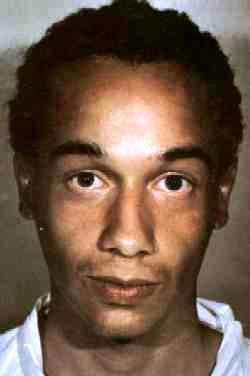
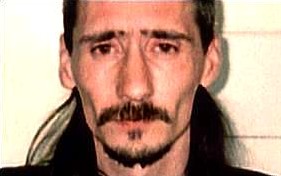
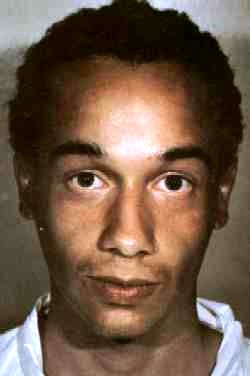
Born in 1963, Kenneth Erskine was a homeless drifter and solvent abuser with a reported mental age of 12. His criminal career focused on the elderly, whom he perceived as easy targets for his violent impulses.
2. Crime Spree
Between April and July 1986, Erskine murdered seven elderly victims across London. His modus operandi involved breaking into homes, sexually assaulting the victims, and strangling them. Victims included Eileen Emms, Janet Cockett, Valentine Gleim, Zbigniew Strabawa, William Carmen, William Downes, and Florence Tisdall.
3. Investigation and Arrest
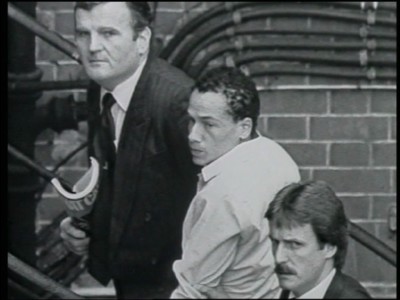
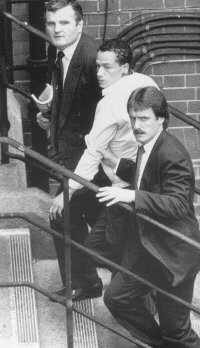
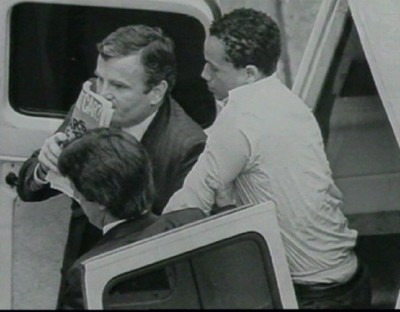
Police investigations were initially hampered by the misclassification of early deaths. Forensic evidence, specifically a palm print found at the scene of Janet Cockett's murder, was instrumental in his capture. He remains a suspect in four additional murders, including those of Wilfred Parkes and Trevor Thomas.
4. Legal Proceedings and Outcome
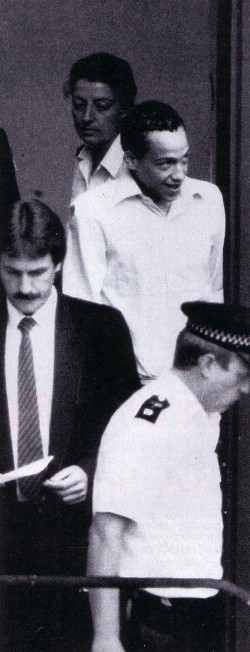
Erskine was convicted of seven counts of murder and sentenced to life imprisonment with a 40-year minimum term. Due to his mental health status, he was transferred to Broadmoor Hospital. He is unlikely to be released before 2028.
5. Psychiatric Assessment and Aftermath
While incarcerated, Erskine gained notoriety in 1996 for intervening to save the life of Peter Sutcliffe, the 'Yorkshire Ripper', during an attack by another inmate, highlighting his unpredictable behavioral patterns.