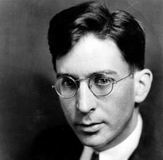
Forensic & Criminological Matrix
| Parameter | Forensic Detail |
|---|---|
| Forensic Heading / Aliases | None |
| Legal Identity | Carl Austin Weiss, Sr. |
| Confirmed Victims | 1 |
| Attributed / Indicted Victims | 1 |
| Active Timeline | September 8, 1935 |
| Jurisdiction / Area of Operations | Baton Rouge, Louisiana, USA |
| Criminological Classification | Political Assassin (alleged) |
| Forensic Modus Operandi | Firearm assault in a public building |
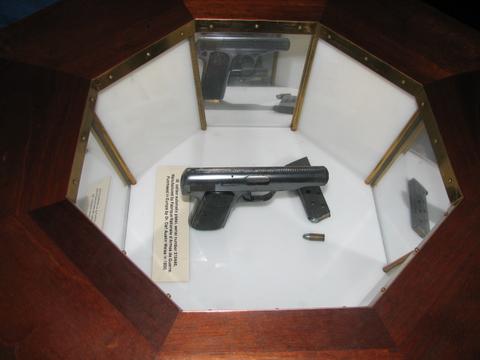
| Weapon / Mechanism of Death | .38 caliber pistol |
| Motive / Behavioral Dynamics | Political conflict and family grievances |
| Judicial Outcome | Perpetrator deceased at the scene |
1. Background and Profile
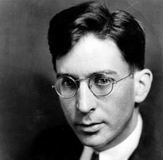
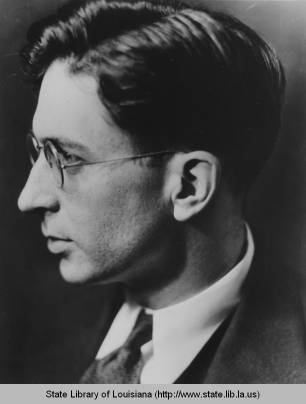
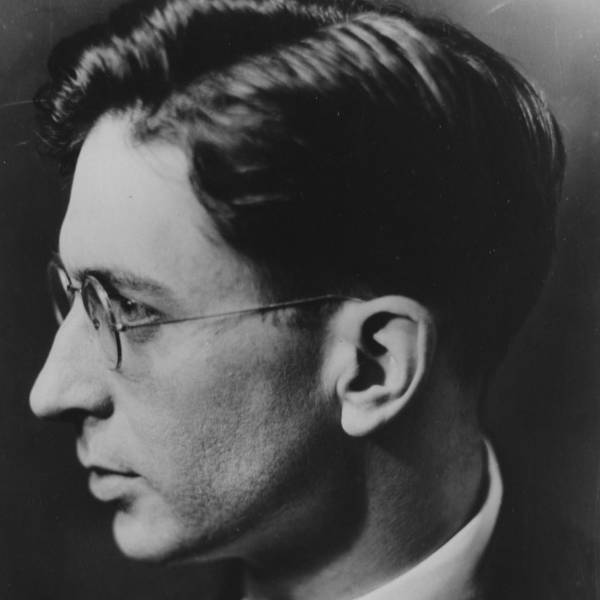
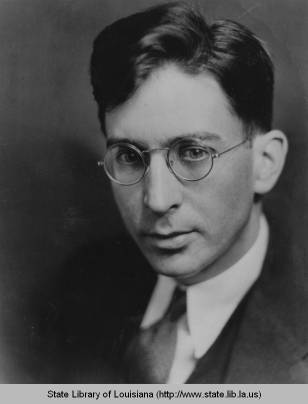
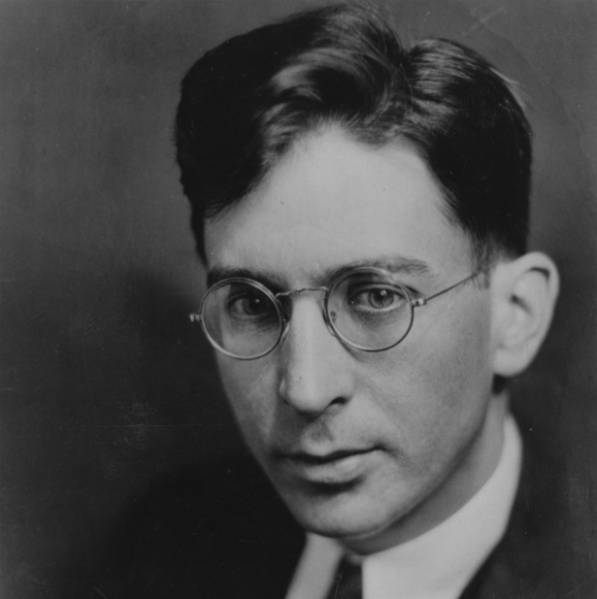
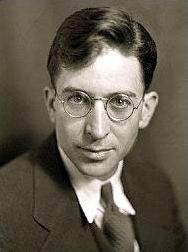
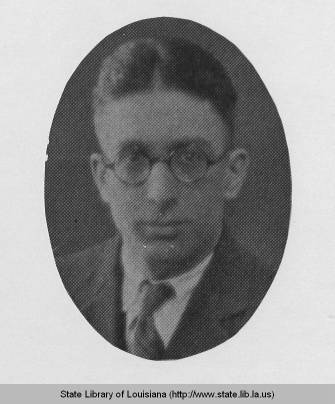
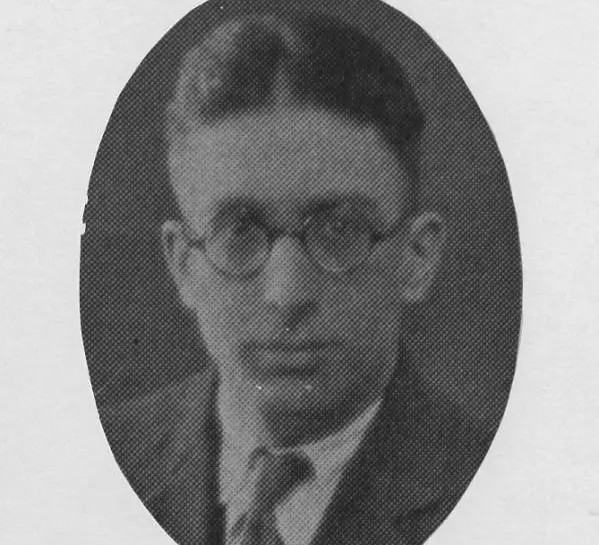
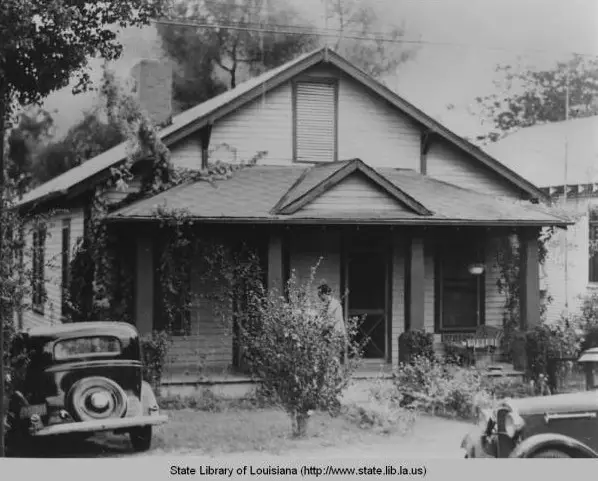
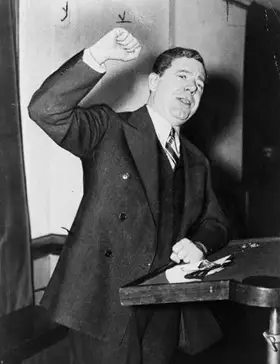
Carl Austin Weiss, Sr. (1906-1935) was a respected physician in Baton Rouge, Louisiana. Educated at Tulane University and having completed postgraduate work in Vienna, he returned to his hometown to practice medicine. His marriage to Yvonne Louise Pavy linked him to the Pavy family, who were prominent political rivals of the populist U.S. Senator Huey Long.
2. Crime Spree
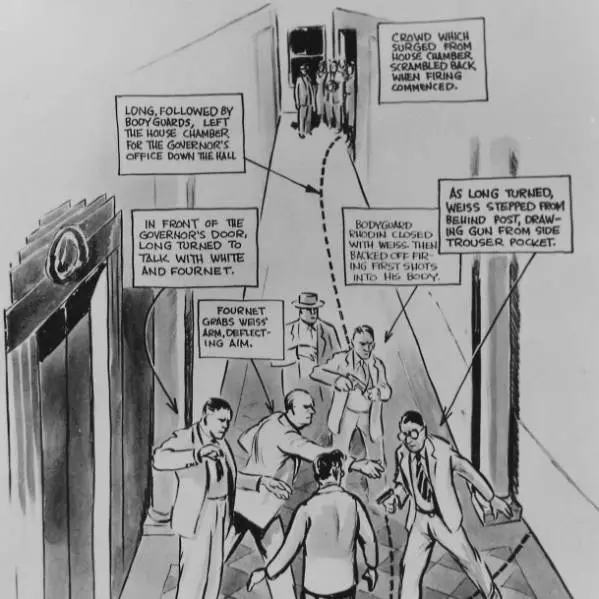
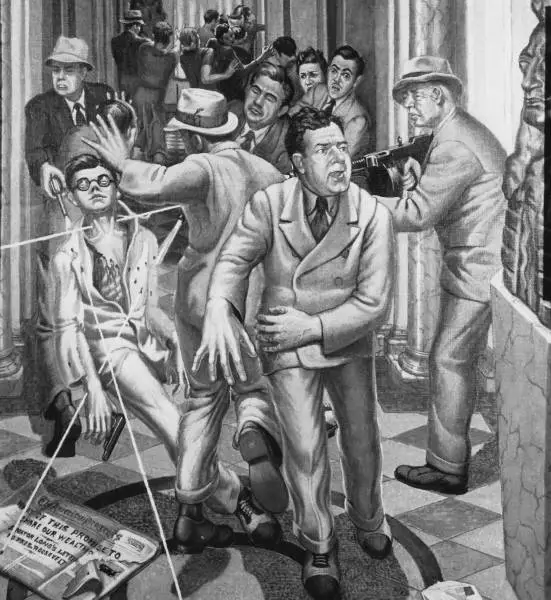
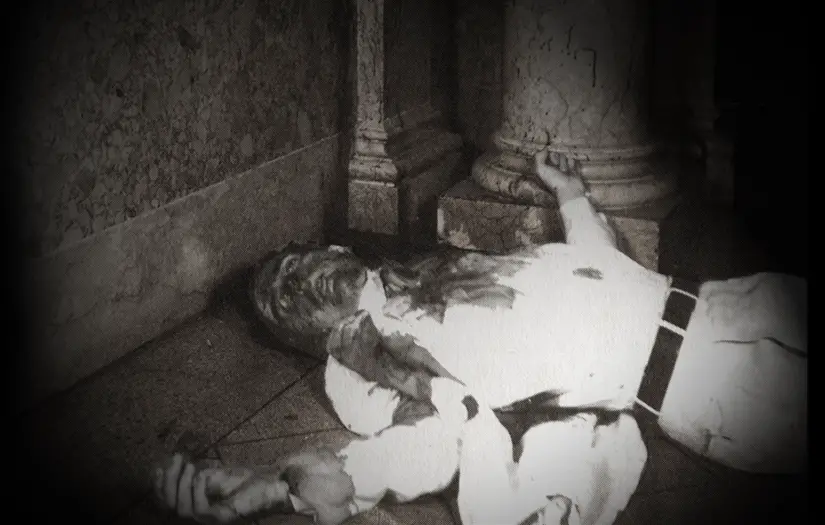
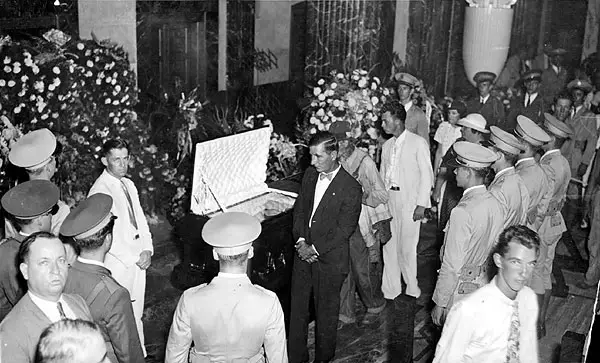
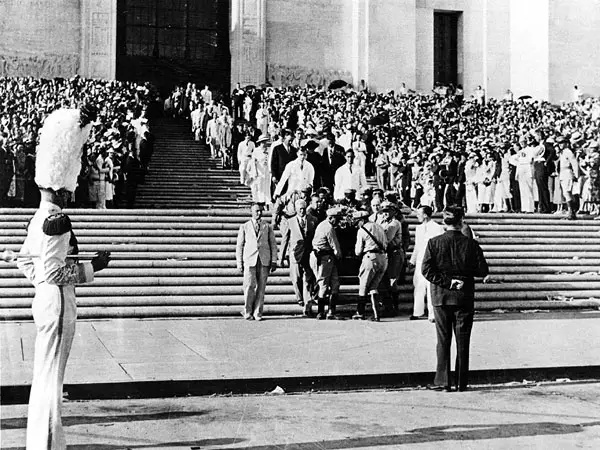
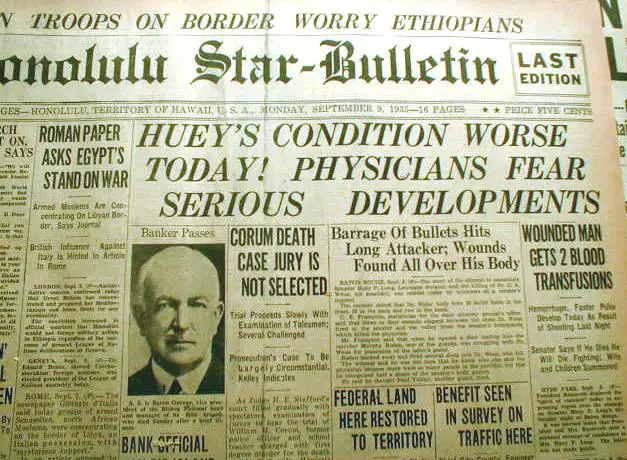
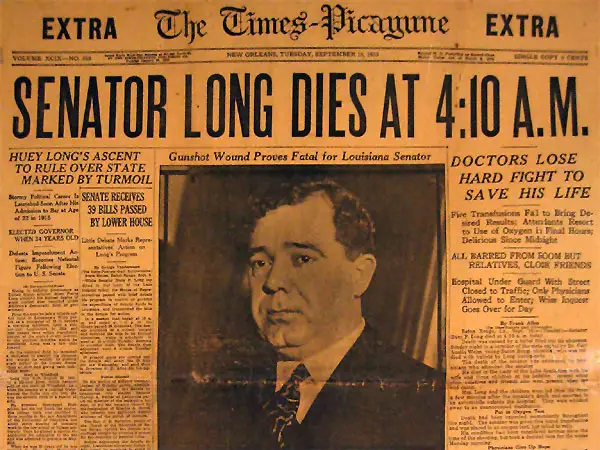
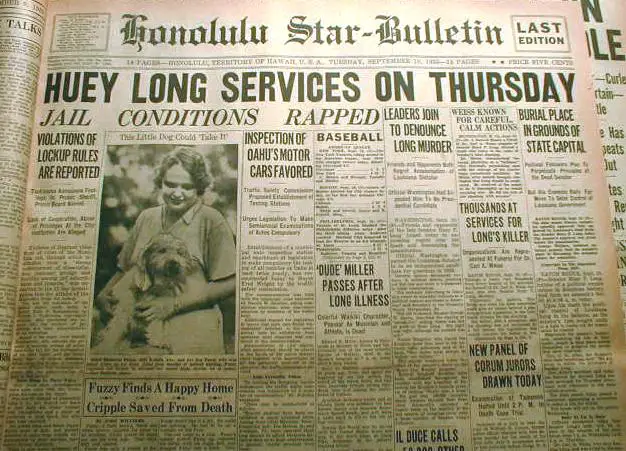
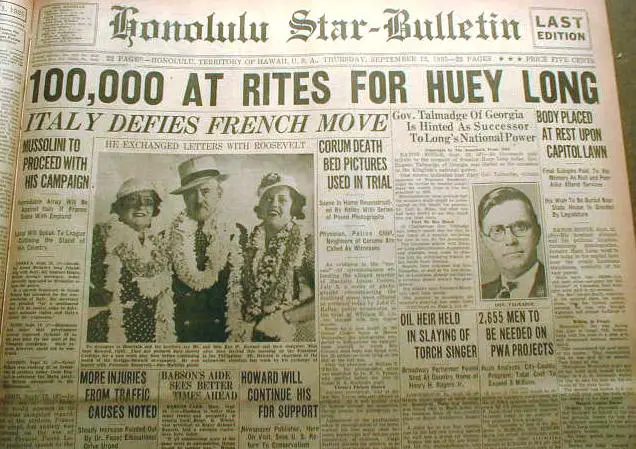
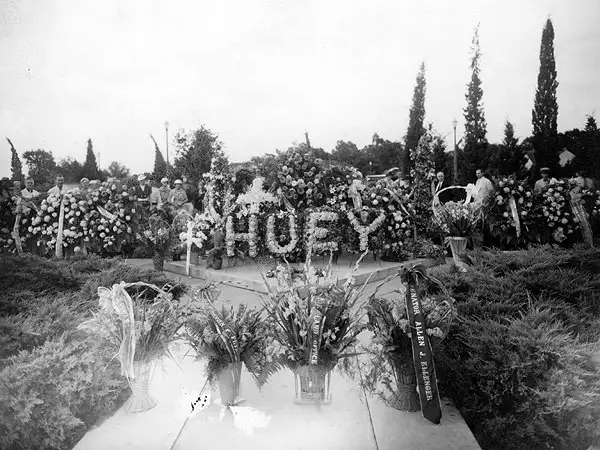
On September 8, 1935, at the Louisiana State Capitol, Senator Huey Long was shot. The official account identifies Weiss as the assailant. Following the shooting, Long's security detail fired upon Weiss, killing him instantly with dozens of bullets.
3. Investigation and Forensic Analysis
Decades later, the case remains a subject of intense forensic scrutiny. In 1991, forensic scientist James E. Starrs exhumed Weiss's remains. Findings suggested that Weiss may have been in a defensive position when shot, fueling theories that Long was accidentally killed by his own bodyguards during the chaotic response to the initial confrontation.
4. Legal Proceedings and Outcome
Due to the immediate death of the suspect, no criminal trial took place. The event remains a cold case in terms of definitive historical consensus, with ongoing debates regarding the actual sequence of events that led to the senator's death.
5. Behavioral Dynamics and Legacy
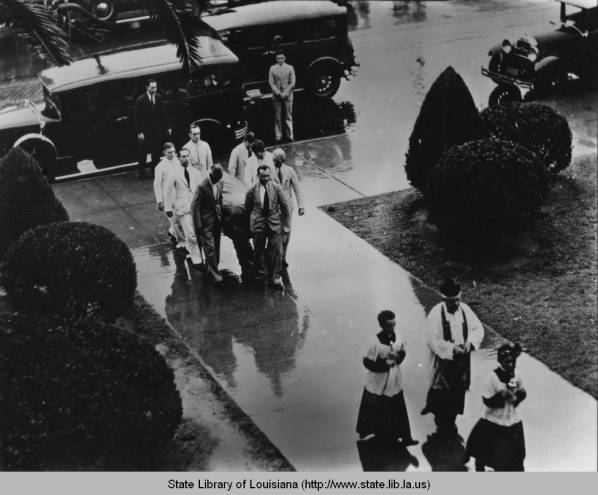
The assassination of Huey Long remains a pivotal moment in American political history. The persistent doubts regarding Weiss's guilt and the potential for accidental death by friendly fire continue to be explored by historians and forensic experts alike.