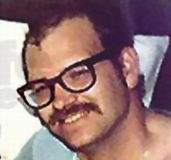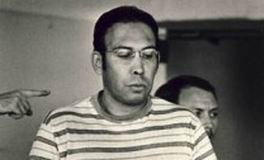
Forensic & Criminological Matrix
| Parameter | Forensic Detail |
|---|---|
| Forensic Heading / Aliases | Junior |
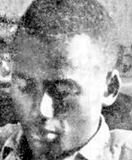
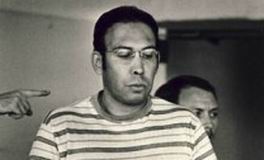
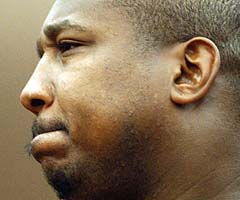
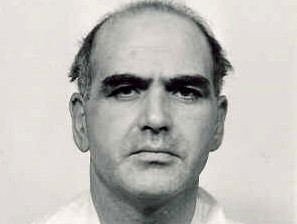
| Legal Identity | Teofilo Medina Jr. |
| Confirmed Victims | 4 |
| Attributed / Indicted Victims | 4 |
| Active Timeline | October 1984 |
| Jurisdiction / Area of Operations | Orange and Riverside Counties, California |
| Criminological Classification | Spree Killer |
| Forensic Modus Operandi | Armed robbery followed by summary execution |
| Weapon / Mechanism of Death | Firearm (gunshot wounds to the head) |
| Motive / Behavioral Dynamics | Predatory criminality / Personality disorder |
| Judicial Outcome | Four death sentences |
1. Background and Psychopathy
Teofilo Medina Jr. was a paroled offender, having served time in the Arizona Department of Corrections for rape. He was released less than three months before his 1984 killing spree. His mental state was a central issue in his trials, with defense experts testifying to paranoid schizophrenia and religious delusions, while prosecutors argued he was malingering.
2. Crime Spree
In October 1984, Medina stole a firearm from a Santa Ana pawn shop. Over the next two weeks, he targeted gas stations and small businesses. He murdered four young men—Horacio Ariza Jr., Craig Christopher Martin, Douglas Michael Metal, and Victor Rea—by shooting them in the head during robberies that netted less than $400.
3. Investigation and Arrest
Law enforcement linked the crimes through ballistic evidence. Medina was apprehended within a month of his first murder. His behavior during legal proceedings was marked by outbursts, including overturning a counsel table, which prompted extensive competency hearings.
4. Legal Proceedings and Outcome
Medina was convicted of three murders in Orange County and a fourth in Riverside County, receiving four separate death sentences. His case, Medina v. California, reached the U.S. Supreme Court, which ruled that states could constitutionally place the burden of proof on a defendant to prove their own mental incompetence to stand trial.
5. Psychiatric Evaluation and Death
Despite defense claims of insanity and incompetence, juries consistently found him sane and competent. He remained on death row until his death in 2015.