Forensic & Criminological Matrix
| Parameter | Forensic Detail |
|---|---|
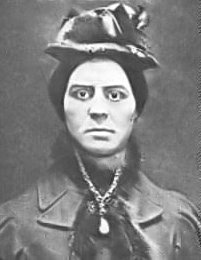
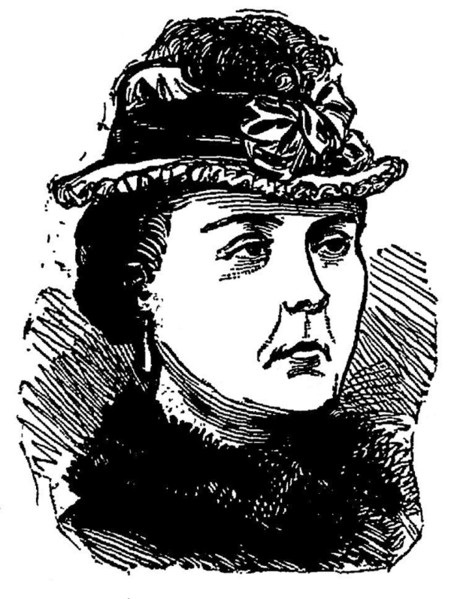
| Forensic Heading / Aliases | Kate Webster |
| Legal Identity | Catherine Webster |
| Confirmed Victims | 1 (Julia Martha Thomas) |
| Active Timeline | 1879 |
| Jurisdiction / Area of Operations | Richmond, London, UK |
| Criminological Classification | Domestic Homicide / Dismemberer |
| Forensic Modus Operandi | Strangulation, dismemberment, and boiling of remains |
| Weapon / Mechanism of Death | Manual strangulation and cutting tools |
| Motive / Behavioral Dynamics | Employment conflict and financial gain |
| Judicial Outcome | Executed by hanging |
1. Background and Psychopathy
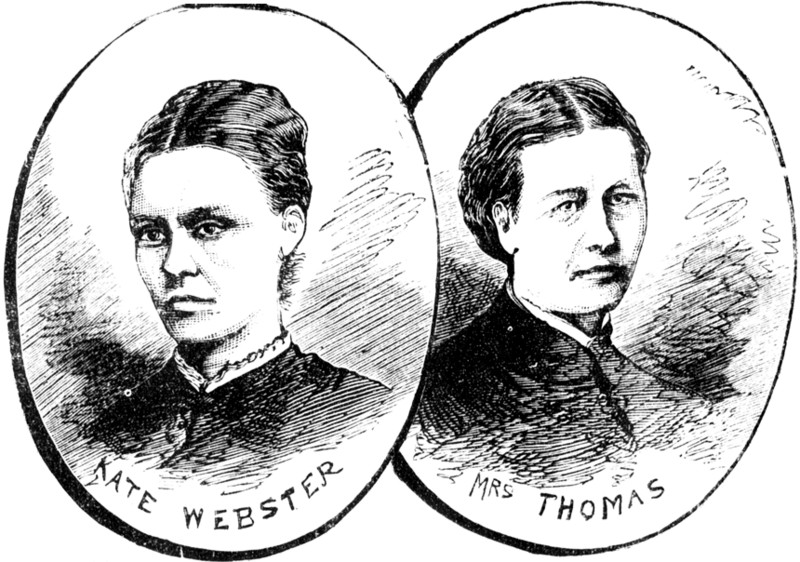
Born in Ireland, Kate Webster had a history of petty theft. Her life as a domestic servant was marked by frequent job changes and a tendency to assume false identities to evade her criminal past.
2. Crime Spree
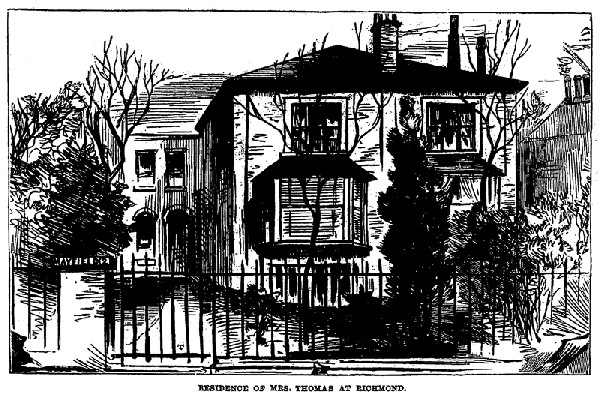
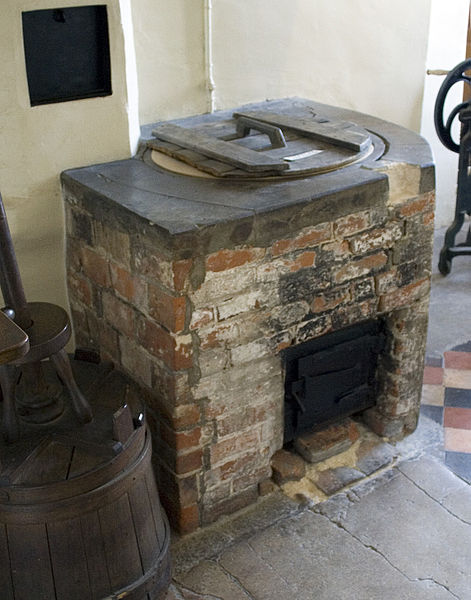
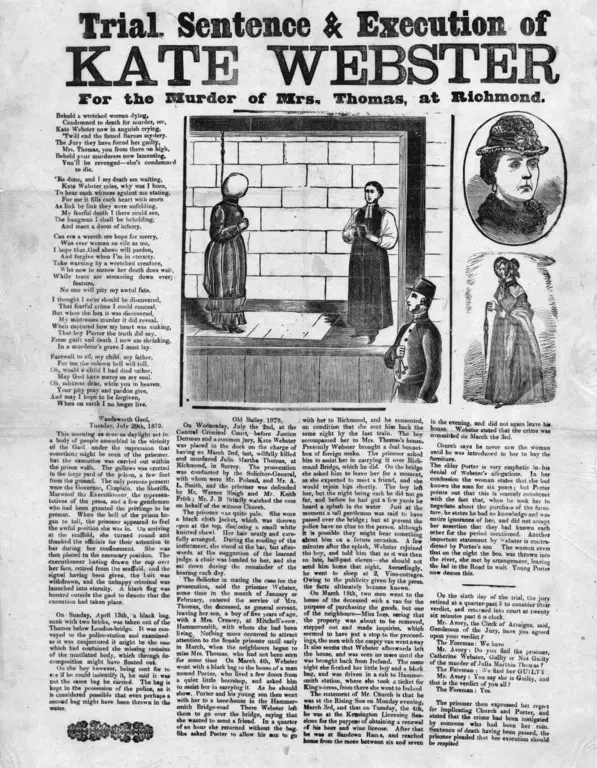
On March 2, 1879, Webster murdered Julia Martha Thomas. She dismembered the body and boiled the remains to dispose of them in the River Thames. The case gained notoriety due to rumors that she offered the rendered fat to neighbors as lard.
3. Investigation and Arrest
Suspicion arose when neighbors noticed Thomas's absence and Webster's suspicious behavior. Forensic evidence, including the discovery of body parts in the Thames and the recovery of the victim's belongings, led to her arrest.
4. Legal Proceedings and Outcome
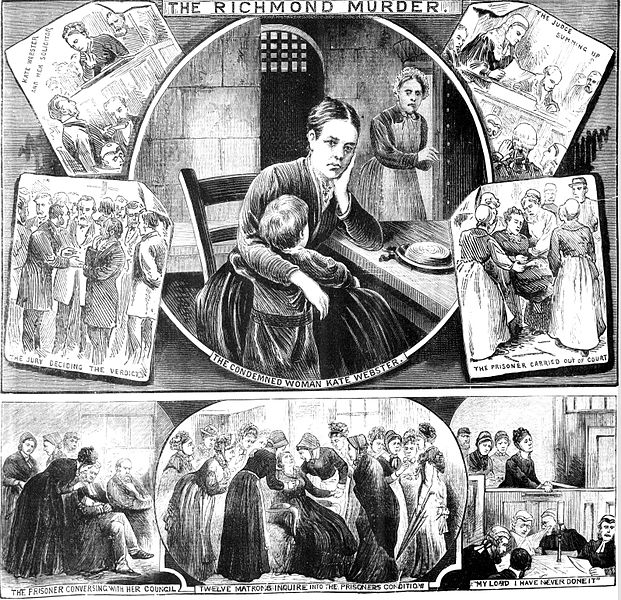
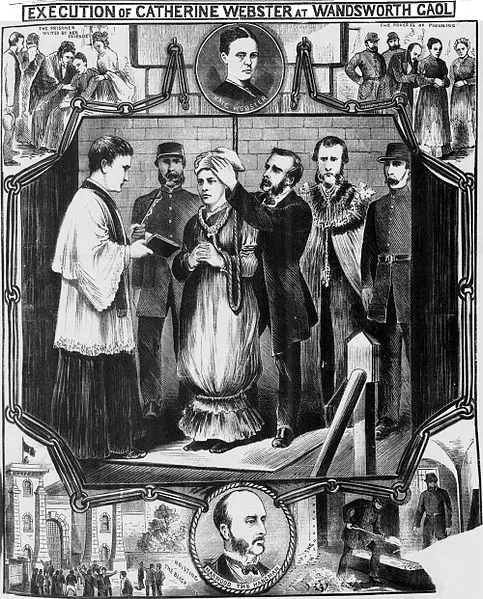
Webster was tried at the Old Bailey. Despite her attempts to deflect blame, she was convicted of murder. She was executed at Wandsworth Prison on July 29, 1879. Her skull was famously discovered in 2010 during construction work at Sir David Attenborough's property.