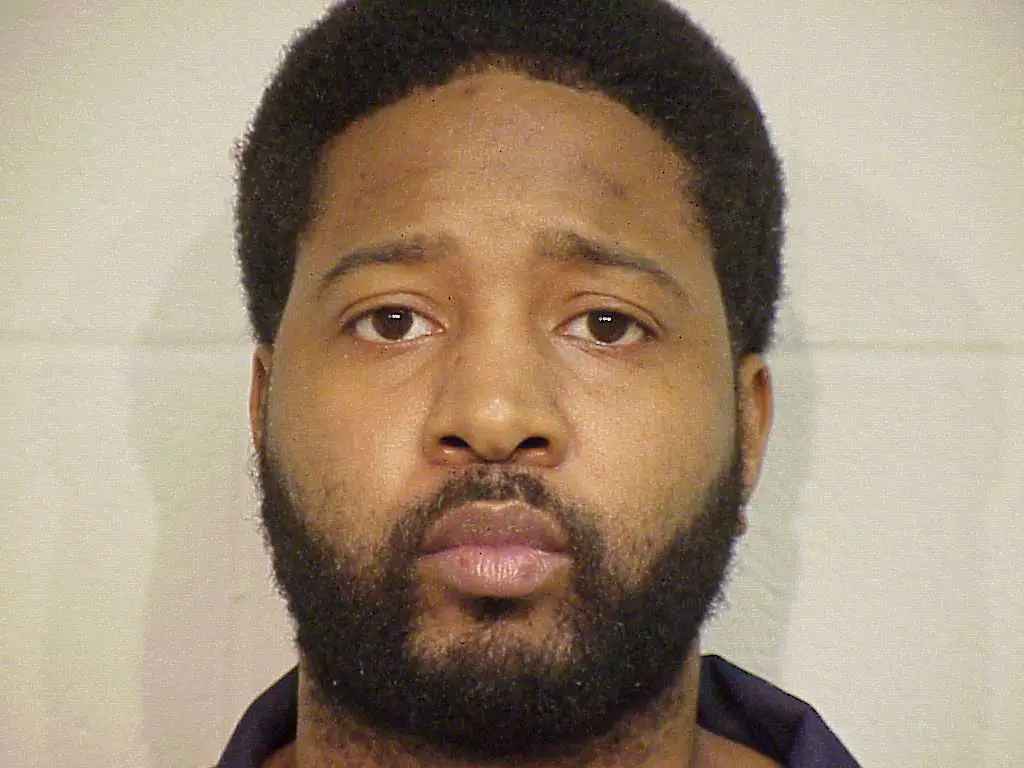
Forensic & Criminological Matrix
| Parameter | Forensic Detail |
|---|---|
| Forensic Heading / Aliases | N/A |
| Legal Identity | Obie D. Weathers III |
| Confirmed Victims | 1 |
| Attributed / Indicted Victims | 2 |
| Active Timeline | February 2000 |
| Jurisdiction / Area of Operations | San Antonio, Texas |
| Criminological Classification | Capital Murderer |
| Forensic Modus Operandi | Armed robbery with lethal use of firearm |
| Weapon / Mechanism of Death | Firearm (handgun) |
| Motive / Behavioral Dynamics | Financial gain / Capital murder |
| Judicial Outcome | Death sentence (2001) |
1. Background and Profile
Obie D. Weathers III was born on August 11, 1981. Prior to his arrest, he was employed as a laborer in San Antonio, Texas. He had no prior prison record in the Texas Department of Criminal Justice system before the events of February 2000. His criminal trajectory was marked by a rapid escalation into violent felony offenses.
2. Crime Spree
On February 4, 2000, Weathers entered a bar in San Antonio and demanded money from the bartender, Ted Church. When Church resisted, Weathers shot him. Church succumbed to his injuries on March 2, 2003. Weathers also confessed to the robbery and murder of Norma Petrash, although he initially attempted to blame an associate known as "Old School" for the act, a claim police found to be unsubstantiated.
3. Investigation and Arrest
San Antonio Police Department detectives Thomas Matjeka and Danny Gonzales led the investigation. Weathers was apprehended on February 15, 2000, at his workplace. During custodial interrogation, he provided written statements confessing to multiple robberies and the shootings of Church and Petrash. The police investigation concluded that his claims regarding other accomplices were unsubstantiated.
4. Legal Proceedings and Outcome
In May 2001, Weathers was convicted of capital murder under Texas Penal Code § 19.03(a). On September 13, 2001, he was sentenced to death. His direct appeal to the Texas Court of Criminal Appeals challenged the admissibility of his custodial statements, arguing that his Fifth Amendment rights were violated. The court unanimously affirmed the conviction and sentence, finding that he had not unambiguously invoked his right to counsel.