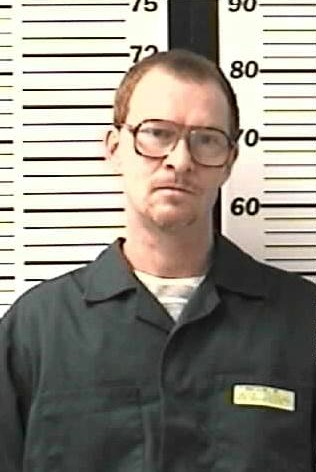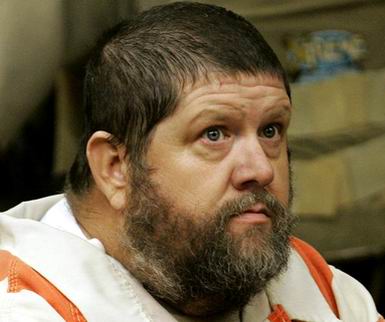



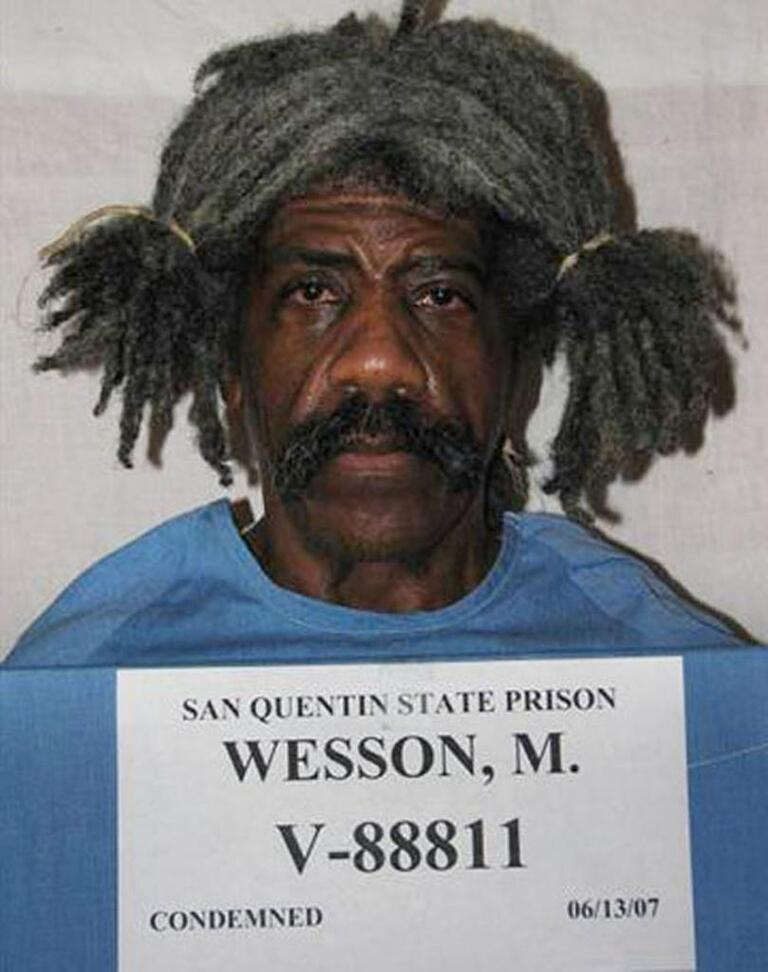
Forensic & Criminological Matrix
| Parameter | Forensic Detail |
|---|---|
| Forensic Heading / Aliases | Michael Leith |
| Legal Identity | Michael J. Tenneson |
| Confirmed Victims | 5 |
| Attributed / Indicted Victims | 5 |
| Active Timeline | March - May 1987 |
| Jurisdiction / Area of Operations | Wisconsin and Colorado, USA |
| Criminological Classification | Mass Murderer |
| Forensic Modus Operandi | Home invasion and execution by firearm |
| Weapon / Mechanism of Death | Firearm (gunshot wounds to the head) |
| Motive / Behavioral Dynamics | Robbery and impulsive violence |
| Judicial Outcome | Life imprisonment in Colorado and Wisconsin |
1. Background and Profile
Michael J. Tenneson was born on November 21, 1959. A native of Holmen, Wisconsin, he had a prior criminal record, including a conviction for the rape of an elderly woman. In March 1987, he was serving time at the La Crosse County jail when he failed to return from a work-release program on March 10, 1987.
2. Crime Spree
Ten days after his escape, Tenneson invaded the home of 73-year-old Lila Bush in La Crosse, Wisconsin, where he shot and killed her, her 33-year-old son Kenneth, and Kenneth's 35-year-old girlfriend, Debra Reget. He then fled to Denver, Colorado, using the alias "Michael Leith." On May 20, 1987, following a party involving alcohol and cocaine, he murdered his two acquaintances, Jeffrey Sheffield (23) and Mitchell Gonzales (22), by shooting them in the head while they slept.
3. Investigation and Arrest
Police suspicion fell on Tenneson after he was observed driving Sheffield's vehicle. He was arrested on May 21, 1987. While in custody, he confessed to the Wisconsin murders, hoping to avoid the death penalty by being extradited to a state without capital punishment.
4. Legal Proceedings and Outcome
In March 1988, a Denver jury convicted Tenneson of two counts of first-degree murder. Although the prosecution sought the death penalty, the jury deadlocked 11-1, resulting in a sentence of life imprisonment plus 48 years. He was later returned to Wisconsin, where he pleaded guilty to the three murders and received three additional life sentences.
5. Psychiatric Evaluation and Conclusion
The defense argued that Tenneson suffered from fetal alcohol syndrome, which impaired his judgment. However, prosecution experts testified that this did not mitigate his criminal responsibility. He remains incarcerated.