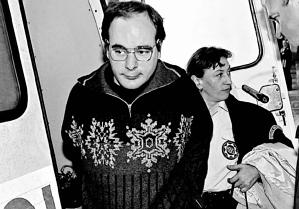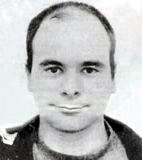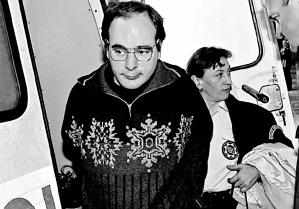
Forensic & Criminological Matrix
| Parameter | Forensic Detail |
|---|---|
| Forensic Heading / Aliases | N/A |
| Legal Identity | Denis Georges Waxin |
| Confirmed Victims | 3 |
| Attributed / Indicted Victims | 6 |
| Active Timeline | 1985 - 1999 |
| Jurisdiction / Area of Operations | Lille, France |
| Criminological Classification | Serial Killer / Serial Rapist |
| Forensic Modus Operandi | Abduction, coercion with electric weapon, rape, and murder |
| Weapon / Mechanism of Death | Knife (stabbing) |
| Motive / Behavioral Dynamics | Pedophilic paraphilia |
| Judicial Outcome | Life imprisonment with 30-year security period |
1. Background and Profile
Denis Georges Waxin, born in 1969, was a French offender operating in the Lille metropolitan area. Prior to his 1999 arrest, he had no significant criminal record for sexual offenses, which masked his predatory behavior. Psychiatric evaluations conducted during his trial indicated he was not intellectually disabled but suffered from a deep-seated, incurable paraphilia.
2. Crime Spree
Waxin targeted young girls, committing a series of abductions, rapes, and murders. His modus operandi involved using an electric baton to subdue his victims. His criminal activity spanned from 1985 to 1992, with his final attempt occurring in 1999.
3. Investigation and Arrest
Following the attempted abduction of a 6-year-old girl named Wendy in January 1999, the victim's precise description led to a police sketch. Waxin was identified among a group of suspects. Forensic DNA analysis of biological evidence found at the scene of Nadja Tebib's murder provided the definitive link to his crimes.
4. Legal Proceedings and Outcome
Waxin was arrested on July 13, 1999. In May 2002, he was convicted of the murders of three girls and sentenced to life imprisonment with a 30-year non-parole period. The court rejected psychiatric arguments for diminished capacity, emphasizing his extreme danger to society.