Forensic & Criminological Matrix
| Parameter | Forensic Detail |
|---|---|
| Forensic Heading / Aliases | The Waco Horror |
| Legal Identity | Jesse Washington |
| Confirmed Victims | 1 |
| Attributed / Indicted Victims | 1 |
| Active Timeline | May 8, 1916 |
| Jurisdiction / Area of Operations | Waco, Texas, USA |
| Criminological Classification | Murderer / Victim of extrajudicial execution |
| Forensic Modus Operandi | Blunt force trauma |
| Weapon / Mechanism of Death | Blacksmith's hammer |
| Motive / Behavioral Dynamics | Alleged sexual assault and robbery |
| Judicial Outcome | Sentenced to death / Lynched by mob |
1. Background and Profile
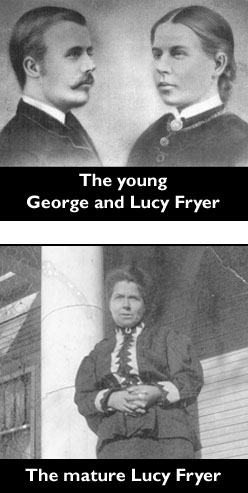
Jesse Washington was a 17-year-old African American farmhand in Robinson, Texas. Historical records describe him as illiterate and cognitively impaired. He worked for George Fryer and had no prior criminal record, existing as a vulnerable individual within the rigid Jim Crow social structure.
2. Crime Spree
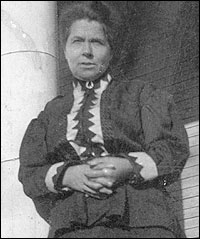
On May 8, 1916, Lucy Fryer (53) was found bludgeoned to death at her home. Washington was identified as a suspect and, following intense interrogation without legal counsel, confessed to the crime and identified a blacksmith's hammer as the weapon.
3. Investigation and Capture
Sheriff Samuel S. Fleming relocated Washington to Dallas to prevent mob violence. The legal process was rushed, with no psychological evaluation or effective defense, reflecting the community's demand for immediate retribution.
4. Legal Proceedings
On May 15, 1916, the trial took place in Waco. A jury of 12 white men returned a guilty verdict after four minutes of deliberation. Before the court could process the sentence, a mob seized Washington from the courtroom.
5. The Lynching and Aftermath
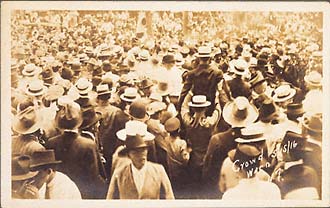
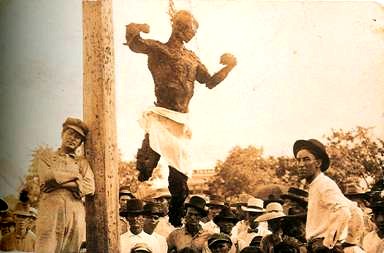
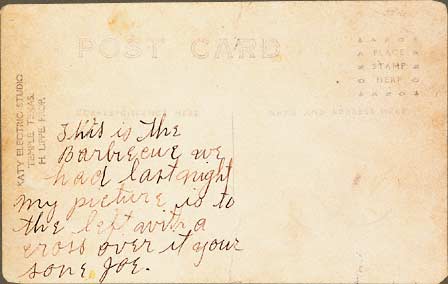
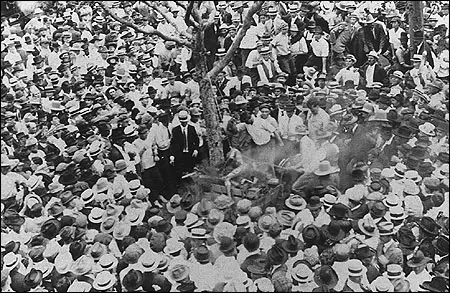
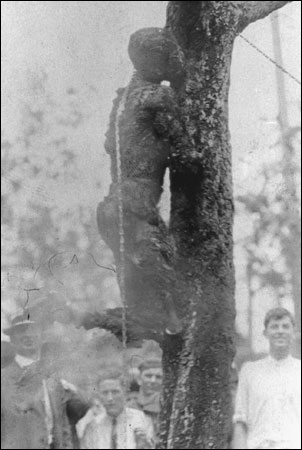
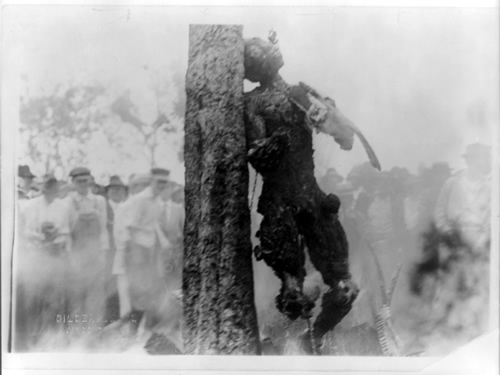
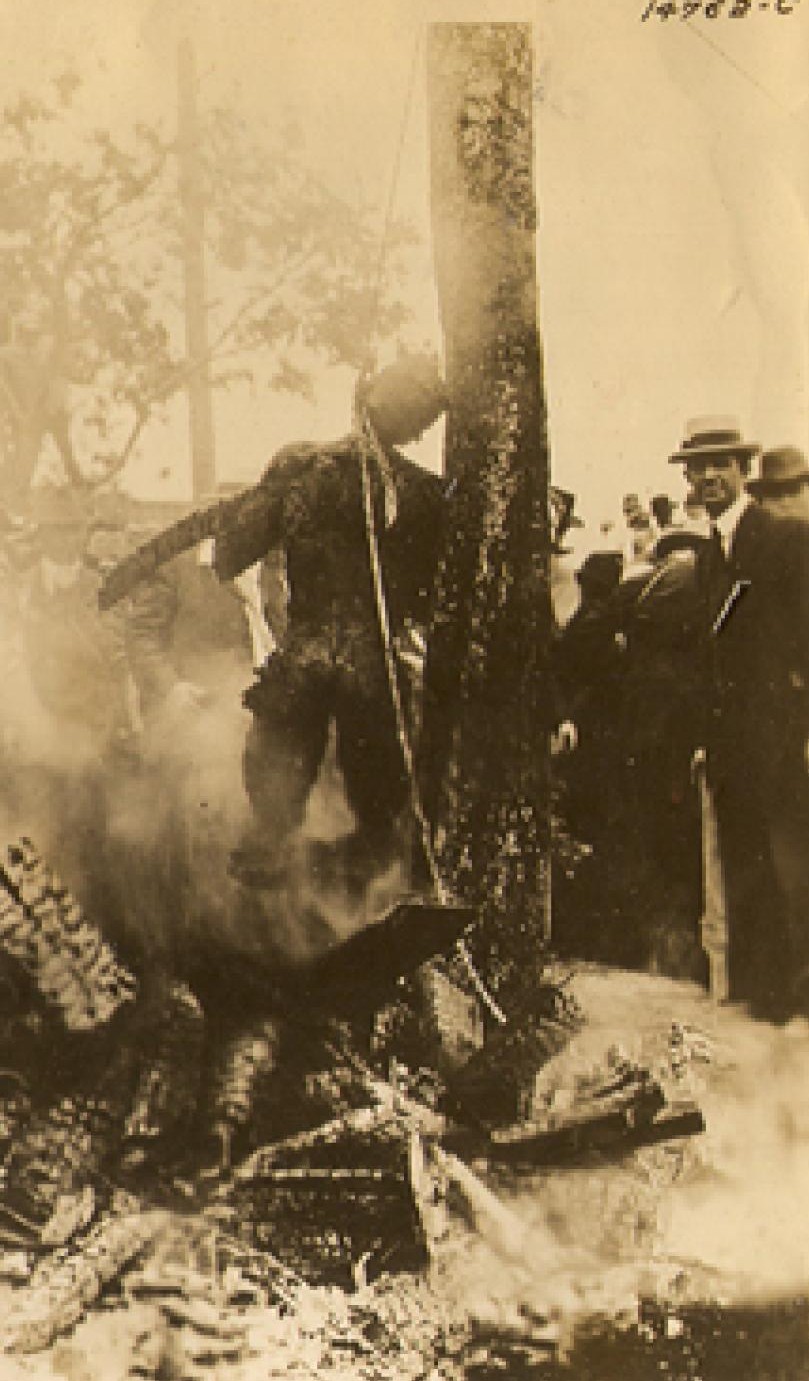
Known as the 'Waco Horror', the event saw 15,000 people participate in the torture, castration, and burning of Washington. The event was photographed and used by the NAACP to campaign for federal anti-lynching legislation, highlighting the total failure of the judicial system.