

Forensic & Criminological Matrix
| Parameter | Forensic Detail |
|---|---|
| Forensic Heading / Aliases | James Darnell |
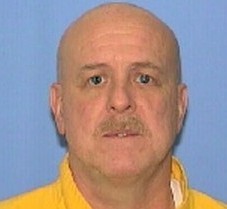
| Legal Identity | Clarence Walker |
| Confirmed Victims | 0 (unconvicted for homicides) |
| Attributed / Indicted Victims | 15 |
| Active Timeline | 1944, 1951-1965 |
| Jurisdiction / Area of Operations | Tennessee, Ohio, Michigan, Illinois, Indiana |
| Criminological Classification | Serial Killer |
| Forensic Modus Operandi | Firearm and knife usage; post-mortem mutilation |
| Weapon / Mechanism of Death | Handgun, knife |
| Motive / Behavioral Dynamics | Sexual sadism, predation |
| Judicial Outcome | 320-year sentence in Illinois (1968) for rape, robbery, and attempted murder |
1. Background and Profile
Born on February 25, 1929, in Tennessee, Clarence Walker exhibited early criminal tendencies, receiving a manslaughter conviction at age 14. Following a seven-year incarceration, he adopted a transient lifestyle, frequently clashing with law enforcement in Ohio due to armed robbery and grand larceny charges.
2. Crime Spree
Operating under the alias "James Darnell," Walker's criminal activity spanned multiple states. In Michigan, his pattern involved the abduction and subsequent mutilation of victims. Notable cases include the disappearances of Mary Jones, Delores Young, Amelia Boyer, and seven-year-old Diane Carter. Their remains, discovered in Bainbridge Township, exhibited severe mutilation, a hallmark of his later-attributed crimes.
3. Investigation and Arrest
Law enforcement was initially misled by the assumption that the perpetrator was a white male with surgical skills. Detectives spent years attempting to link the unsolved murders to other serial killers like Richard Speck. It was not until 1970 that investigators definitively linked the homicides to Walker, who was already serving a lengthy sentence in Illinois.
4. Legal Proceedings and Outcome
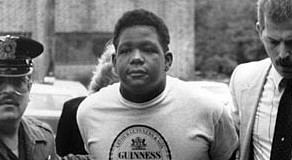
Walker was arrested in Chicago in 1965. In 1968, he was sentenced to 320 years for rape, armed robbery, and assault with intent to murder. While he was never formally charged for the 14 attributed murders, authorities in three states consider the cases closed based on the overwhelming evidence of his guilt.
5. Psychiatric Assessment and Conclusion
Walker has consistently refused to speak with homicide investigators. Due to his existing 320-year sentence, no further charges were pursued, and he remains incarcerated.