Forensic & Criminological Matrix
| Parameter | Forensic Detail |
|---|---|
| Forensic Heading / Aliases | None |
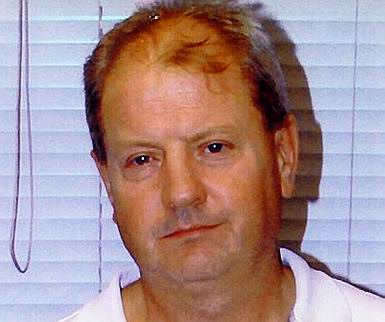
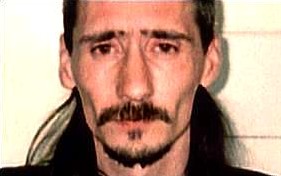
| Legal Identity | Andrew Walker |
| Confirmed Victims | 3 |
| Attributed / Indicted Victims | 3 |
| Active Timeline | January 17, 1985 |
| Jurisdiction / Area of Operations | Penicuik, Midlothian, Scotland |
| Criminological Classification | Multiple murderer |
| Forensic Modus Operandi | Abduction, summary execution with firearm, and evidence concealment |
| Weapon / Mechanism of Death | Military-issued sub-machine gun |
| Motive / Behavioral Dynamics | Financial debt and greed |
| Judicial Outcome | Life imprisonment (originally 30-year minimum recommendation) |
1. Background and Profile
Andrew Walker was a corporal in the British Army with a history of three tours in Northern Ireland. Despite early career success, his behavior deteriorated significantly due to mounting financial debts, including a £2,000 car debt and plans to purchase an £8,500 vehicle. Colleagues characterized him as an unpopular braggart and a liar. His commanding officer, Lt Col Fairweather, had previously disciplined him for his conduct.
2. Crime Spree
On January 17, 1985, Walker intercepted three colleagues—Major David Cunningham, Sergeant Terence Hosker, and Private John Thomson—who were transporting a £19,000 payroll. Using a sub-machine gun he had signed out from the armory, he forced them to drive to a remote track in the Pentland Hills. He shot Sgt. Hosker during a struggle, executed Major Cunningham with a gunshot to the head, and finally murdered Private Thomson after forcing him to unload the other bodies. The stolen money was never recovered.
3. Investigation and Arrest
Police utilized evidence left in the deep snow to track Walker. He was arrested following a three-day manhunt. While in custody, he attempted to pervert the course of justice by coercing a cellmate, Andrew Lowden, to smuggle a letter blaming the Provisional IRA for the murders. The letter was intercepted by prison guards.
4. Legal Proceedings and Outcome
Walker was found guilty of murder, theft, and attempting to pervert the course of justice. Lord Grieve sentenced him to life imprisonment, describing the crimes as callous and calculated. In 2002, his minimum term was reduced to 27 years on appeal.