Forensic & Criminological Matrix
| Parameter | Forensic Detail |
|---|---|
| Forensic Heading / Aliases | None |
| Legal Identity | Hans Vollenweider |
| Confirmed Victims | 3 |
| Attributed / Indicted Victims | 3 |
| Active Timeline | June 1940 |
| Jurisdiction / Area of Operations | Switzerland |
| Criminological Classification | Multiple Murderer |
| Forensic Modus Operandi | Armed robbery and shooting |
| Weapon / Mechanism of Death | Firearm |
| Motive / Behavioral Dynamics | Evasion of arrest and robbery |
| Judicial Outcome | Death sentence and execution by guillotine |
1. Background and Profile
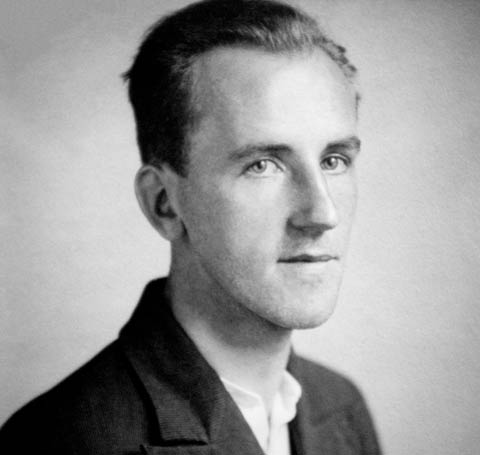
Hans Vollenweider was born in 1908 in Zurich. Before his 1940 crime spree, he had already been accused multiple times, establishing a pattern of criminal behavior that culminated in his final acts. He was known for his desperate attempts to evade law enforcement.
2. Crime Spree
In June 1940, within a span of only nine days, Vollenweider murdered three individuals: chauffeur Hermann Zwyssig, postman Emil Stoll, and police officer Alois von Moos. His actions were driven by the need to secure a new identity and escape capture.
3. Investigation and Arrest
Following the murders, Vollenweider engaged in an odyssey through various detention institutes across different Swiss cantons. His capture marked the end of a high-profile manhunt in the region.
4. Legal Proceedings and Outcome
On September 19, 1940, the Obwalden cantonal court sentenced Vollenweider to death. Despite the ongoing national debate regarding the abolition of the death penalty, the sentence was upheld, and all appeals and petitions for pardon were denied.
5. Execution and Legacy
On the morning of October 18, 1940, Vollenweider was executed by guillotine in the workshop of the Sarnen penal establishment. He remains the last person in Switzerland to be executed under a civilian criminal procedure. He refused final words, a last meal, and religious assistance.