Forensic & Criminological Matrix
| Parameter | Forensic Detail |
|---|---|
| Forensic Heading / Aliases | N/A |
| Legal Identity | Jean Lanfray |
| Confirmed Victims | 3 |
| Attributed / Indicted Victims | 4 (including male fetus) |
| Active Timeline | August 28, 1905 |
| Jurisdiction / Area of Operations | Commugny, Vaud, Switzerland |
| Criminological Classification | Familicide / Alcohol-induced homicide |
| Forensic Modus Operandi | Use of Vetterli bolt-action rifle |
| Weapon / Mechanism of Death | Vetterli rifle |
| Motive / Behavioral Dynamics | Domestic dispute, chronic alcoholism, 'absinthe madness' (historical thesis) |
| Judicial Outcome | 30-year prison sentence; suicide in custody |
1. Background and Profile
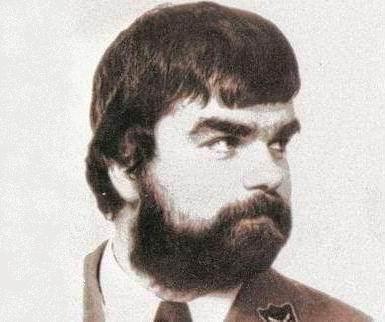
Jean Lanfray was a 31-year-old French vineyard worker living in Commugny, Switzerland. Standing nearly six feet tall and weighing 180 pounds, he was known for his robust health and extreme alcohol consumption. Having served in the French Army's Chasseurs Alpins, he developed a habit of drinking absinthe. His home life was characterized by frequent, violent arguments with his wife over money and his drinking habits.
2. Crime Spree
On August 28, 1905, after consuming a massive quantity of wine, cognac, brandy, and absinthe, Lanfray returned home. Following a heated argument with his wife over chores, he retrieved a Vetterli bolt-action rifle and shot her in the head. He then proceeded to kill his two daughters, Rose (4) and Blanche (1.5). He attempted suicide by shooting himself in the jaw, but survived and was later found in a dazed state in the barn.
3. Investigation and Arrest
Police were notified by Lanfray's father. Lanfray was treated at a hospital in Nyon. Forensic examination of the victims confirmed the brutality of the act. An autopsy on his wife revealed she was four months pregnant with a male fetus, which became a significant point in the subsequent public outcry.
4. Legal Proceedings and Outcome
The trial took place on February 23, 1906. Defense attorneys attempted to blame the 'absinthe madness' for his actions, but the prosecution successfully argued that his overall alcohol intake was the primary factor. He was sentenced to 30 years in prison.
5. Psychiatric Assessment and Aftermath
On February 26, 1906, Lanfray committed suicide by hanging in his prison cell. The case became a catalyst for the temperance movement, leading to the eventual ban of absinthe in Switzerland and many other nations due to the moral panic surrounding the 'Lanfray murders'.