Forensic & Criminological Matrix
| Parameter | Forensic Detail |
|---|---|
| Forensic Heading / Aliases | N/A |
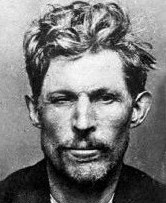
| Legal Identity | Pierre Voirbo |
| Confirmed Victims | 1 |
| Attributed / Indicted Victims | 1 |
| Active Timeline | 1868 |
| Jurisdiction / Area of Operations | Paris, France |
| Criminological Classification | Murderer / Dismemberer |
| Forensic Modus Operandi | Blunt force trauma, dismemberment, and concealment |
| Weapon / Mechanism of Death | Flatiron |
| Motive / Behavioral Dynamics | Financial dispute |
| Judicial Outcome | Suicide in custody prior to trial |
1. Background and Profile
Pierre Voirbo was a Parisian tailor during the 19th century. While his early life remains largely undocumented, his criminal behavior was characterized by a calculated approach to homicide and a deliberate attempt to sanitize the crime scene, reflecting a high degree of premeditation regarding the disposal of evidence.
2. Crime Spree
On December 14, 1868, Voirbo murdered 72-year-old Desiré Bodasse following a disagreement over money. The victim was killed using a flatiron. Voirbo subsequently dismembered the body, wrapping the remains in fabric and disposing of them in a well located in the cellar of a restaurant. The contamination of the well water eventually led to the discovery of the remains.
3. Investigation and Arrest
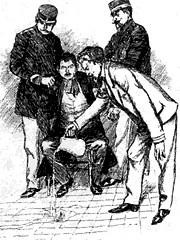
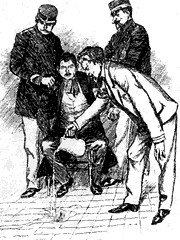
Detective Gustave Macé spearheaded the investigation. After identifying the victim and linking Voirbo to the crime through witness reports of suspicious packages, Macé examined Voirbo's residence. Despite the suspect's attempt to clean the premises, Macé identified a depression in the tiled floor. By pouring water, he observed where it pooled; lifting the tiles revealed significant amounts of dried blood, providing irrefutable forensic evidence.
4. Legal Proceedings and Outcome
Confronted with the forensic demonstration, Voirbo confessed to the murder. He was arrested in February 1869. However, he committed suicide in his prison cell before the judicial process could reach a final verdict, effectively ending the case without a formal trial.