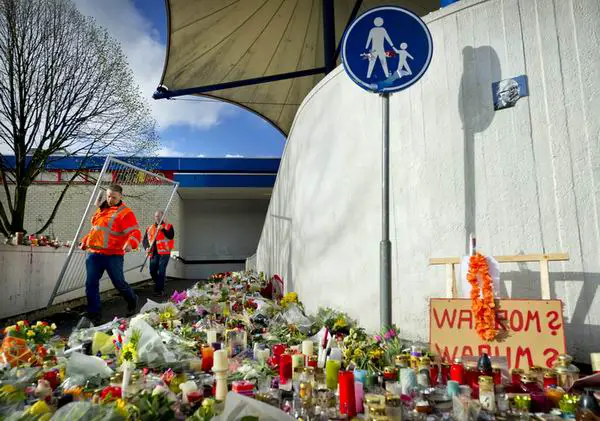
Forensic & Criminological Matrix
| Parameter | Forensic Detail |
|---|---|
| Forensic Heading / Aliases | N/A |
| Legal Identity | Tristan Van der Vlis |
| Confirmed Victims | 6 |
| Attributed / Indicted Victims | 6 |
| Active Timeline | April 9, 2011 |
| Jurisdiction / Area of Operations | Alphen aan den Rijn, Netherlands |
| Criminological Classification | Mass Murderer |
| Forensic Modus Operandi | Indiscriminate shooting in a closed public space |
| Weapon / Mechanism of Death | Smith & Wesson M&P15-22, pistol, and revolver |
| Motive / Behavioral Dynamics | Paranoid schizophrenia, suicidal ideation |
| Judicial Outcome | Perpetrator suicide (Case closed) |
1. Background and Profile
Tristan Van der Vlis (1977–2011) lived in an apartment complex in Alphen aan den Rijn with his parents. Since childhood, he exhibited a pathological obsession with firearms. His medical history included severe psychiatric issues, specifically paranoid schizophrenia. In 2006, he spent 10 days in a closed institution following a suicide attempt, with at least two further attempts recorded in 2008.
2. Crime Spree
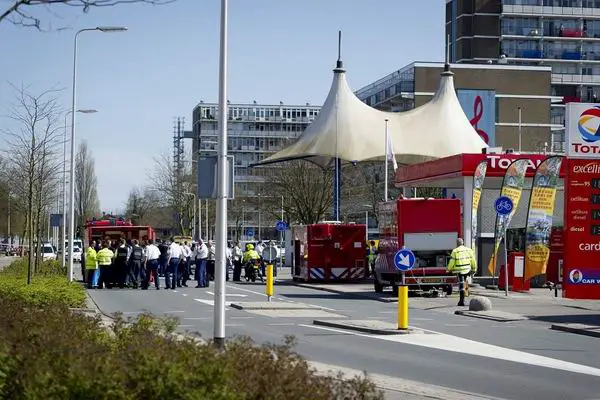
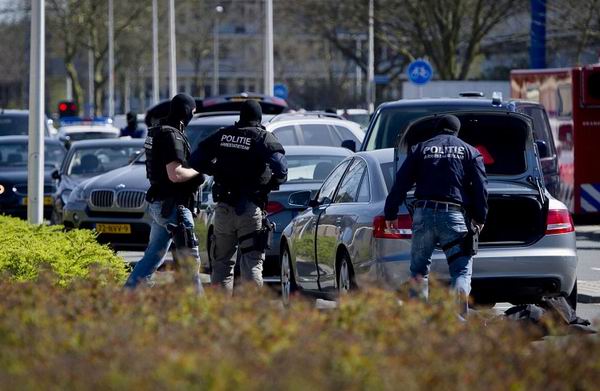
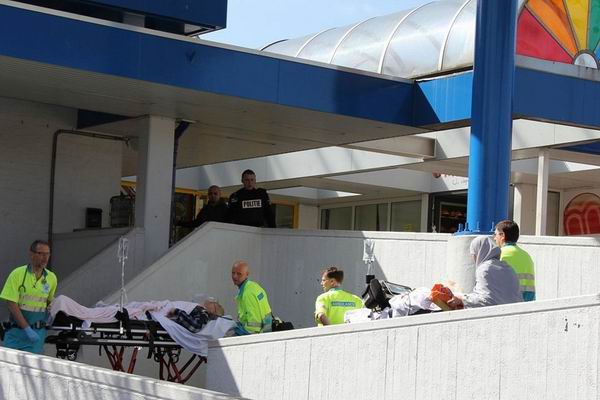
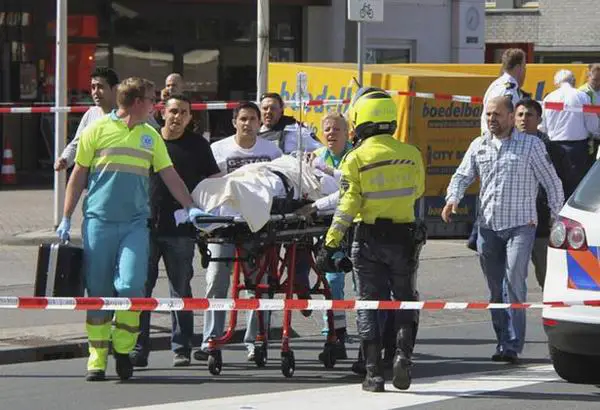
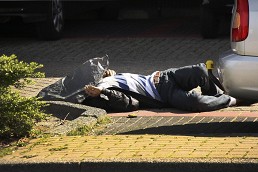
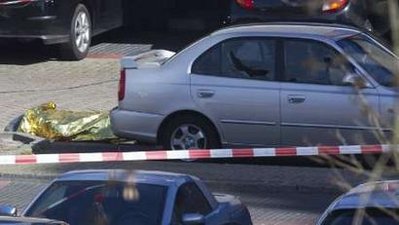
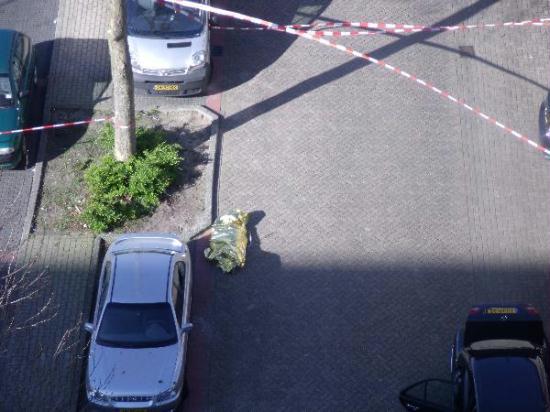
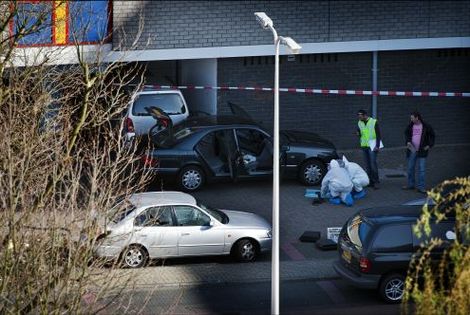
On April 9, 2011, Van der Vlis entered the Ridderhof shopping mall. Wearing a bulletproof vest and armed with a semi-automatic Smith & Wesson M&P15-22, a pistol, and a revolver, he shot a person outside before entering the mall. He fired over 100 rounds, killing five people and injuring 17. He then took his own life. A sixth victim later succumbed to injuries.
3. Investigation and Forensic Pursuit
Police discovered two notes: one in his car falsely claiming explosives were in three other malls, and one at his home detailing his suicidal thoughts. Investigators confirmed he acted alone and held legal permits for firearms, possessing three at the time of the attack.
4. Legal Proceedings and Outcome
No judicial proceedings took place as the perpetrator died at the scene. The case was closed following the confirmation of his sole responsibility and subsequent suicide.
5. Psychiatric Assessment and Conclusion
Post-mortem forensic assessment confirmed the perpetrator's severe mental instability. The incident remains one of the most significant mass casualty events in modern Dutch history.