

Forensic & Criminological Matrix
| Parameter | Forensic Detail |
|---|---|
| Forensic Heading / Aliases | Ted the Turk / The Delft Cafe Mass Murderer |
| Legal Identity | Cevdet Yılmaz |
| Confirmed Victims | 6 fatalities (and at least 4 severe injuries) |
| Attributed / Indicted Victims | 6 |
| Active Timeline | April 5, 1983 |
| Jurisdiction / Area of Operations | Delft, South Holland, Netherlands |
| Criminological Classification | Mass Murderer / Impulsive Lethal Violence |
| Forensic Modus Operandi | Point-blank mass shooting following a minor verbal altercation in a public venue |
| Weapon / Mechanism of Death | Semi-automatic handgun (9mm firearm) |
| Motive / Behavioral Dynamics | Disproportionate narcissistic rage reaction following a trivial bar argument |
| Judicial Outcome | Sentenced to Life Imprisonment in March 1984; later released under conditional supervision after decades of confinement |
1. Background and Profile
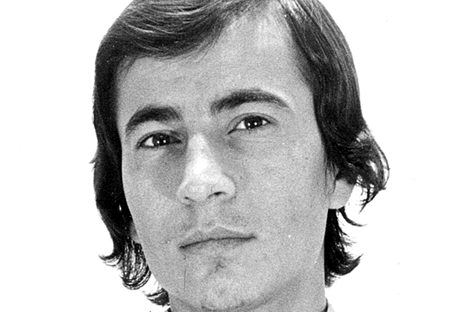
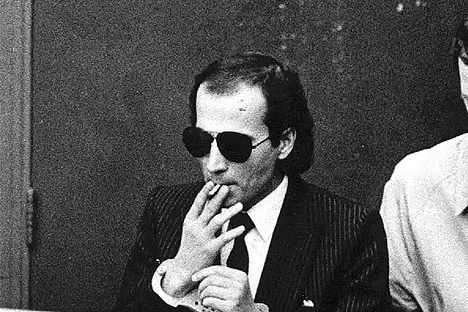
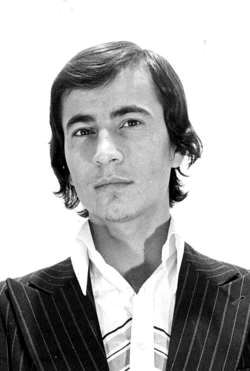
Cevdet Yılmaz, born in Turkey in 1955 and later obtaining Dutch nationality, was a 27-year-old resident of the historic city of Delft (South Holland) in 1983. Known within local social circles by the moniker "Ted the Turk", Yılmaz exhibited a psychological background characterized by difficulty in social integration, emotional instability, and an extremely low threshold for interpersonal frustration.
Prior to the night of April 5, 1983, Yılmaz had no prior record of extreme mass violence. However, psychiatric assessments later revealed a complex structure of pathological narcissism, poor impulse control, and a severe cognitive rigidity that rendered him prone to catastrophic aggressive reactions when perceiving personal disrespect.
2. Crime Spree
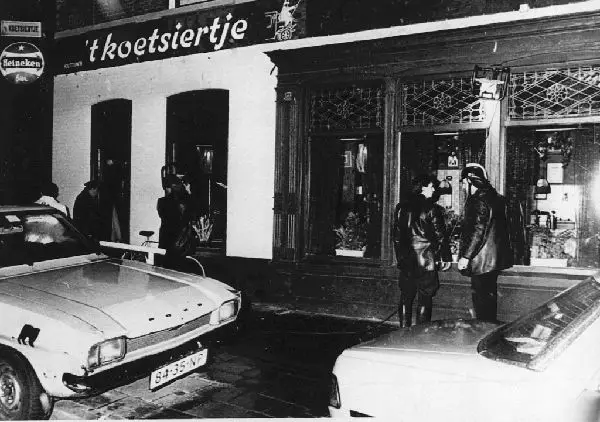
On the evening of Tuesday, April 5, 1983, Cevdet Yılmaz entered Café 't Koetsiertje, a popular establishment in the city center of Delft. The bar was crowded with local residents enjoying a social evening.
At approximately 23:00 hours, a minor verbal argument broke out between Yılmaz and another patron. The dispute quickly spiraled out of control as Yılmaz experienced a violent explosive episode. Drawing a concealed, illegally possessed handgun from his clothing, Yılmaz opened fire indiscriminately into the crowded room at point-blank range.
The crowded bar instantly erupted into panic. Yılmaz repeatedly discharged his weapon into the bystanders. Among those killed instantly were Tonie Sneekes and her 12-year-old daughter, Carmen Sneekes, both completely uninvolved bystanders. The gunfire also claimed the lives of Ton Smits, Wim van Baarle, Jan van Drongelen, and Wim Janssen. In addition to the six fatal casualties, at least four other patrons suffered critical gunshot wounds or injuries sustained in the frantic rush to exit the building.
3. Police Investigation and Manhunt
Dutch emergency services and Delft municipal police rushed to Café 't Koetsiertje upon receiving urgent reports of mass shooting. First responders discovered a horrific scene: six dead bodies lying on the floor surrounded by spent shell casings, pool of blood, and shattered glass.
A specialized homicide task force was immediately established by Dutch authorities. Based on eye-witness testimony from traumatized survivors, investigators quickly named 27-year-old Sevdet (Cevdet) Yilmaz as the sole perpetrator. A nationwide manhunt was launched overnight, with public alerts broadcasted across news media and regional transit routes monitored.
Forensic ballistics inside the venue confirmed that all fatal rounds originated from the handgun wielded by Yılmaz, establishing a deliberate and ruthless pattern of execution-style shooting against defenseless targets.
4. Legal Proceedings and Outcome
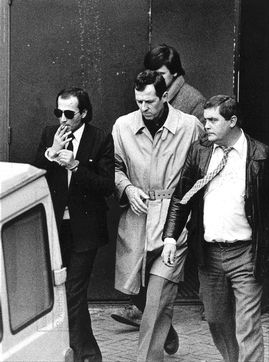
Cevdet Yılmaz was located and apprehended shortly after the mass shooting. During police interrogations, he displayed a striking lack of empathy regarding the devastation inflicted upon the victims and their families.
In March 1984, the District Court of The Hague tried Yılmaz for six counts of murder/manslaughter and multiple counts of attempted murder. Highlighting the extreme gravity of the crime, the loss of innocent lives including a young child, and the public trauma caused to Dutch society, the court handed down the maximum penalty under Dutch criminal law: Life Imprisonment (levenslange gevangenisstraf).
5. Psychiatric Assessment and Release
Subsequent psychiatric evaluations concluded that Yılmaz suffered from severe personality disorders coupled with pathological aggressiveness, though he remained legally competent to stand trial. His sentence involved long-term incarceration combined with specialized forensic psychiatric care (TBS).
Over the following decades, Yılmaz's case became a subject of intense legal and ethical debate within the Netherlands regarding life sentences and prisoner rehabilitation. After spending over three decades in high-security custodial facilities and psychiatric centers, Yılmaz was eventually granted conditional release under strict state surveillance.