



Forensic & Criminological Matrix
| Parameter | Forensic Detail |
|---|---|
| Forensic Heading / Aliases | None recorded |
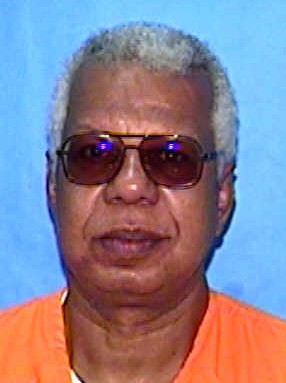
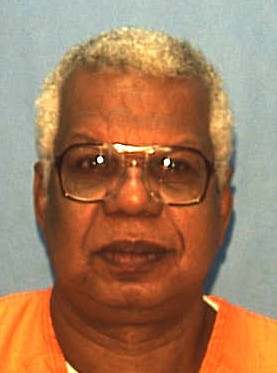
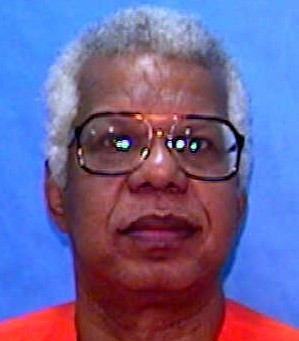
| Legal Identity | Terance Valentine |
| Confirmed Victims | 1 |
| Attributed / Indicted Victims | 1 |
| Active Timeline | 1988 |
| Jurisdiction / Area of Operations | Tampa, Florida, USA |
| Criminological Classification | Revenge-motivated murderer |
| Forensic Modus Operandi | Stalking, kidnapping, physical torture, and execution by firearm |
| Weapon / Mechanism of Death | Firearm (spinal cord injury) |
| Motive / Behavioral Dynamics | Personal revenge following divorce |
| Judicial Outcome | Sentenced to death (upheld in 1996) |
1. Background and Profile
Terance Valentine was born on January 21, 1949. He immigrated to the United States in 1975 with his wife, Livia Romero. They settled in New Orleans and adopted a daughter, Giovanna. Following a divorce in 1986, Romero married Ferdinand Porche and relocated to Tampa, Florida. Valentine began a campaign of harassment, including threatening phone calls, which escalated into lethal violence.
2. Crime Spree
On September 9, 1988, Valentine broke into the Porche residence. Upon Ferdinand Porche's arrival, Valentine shot him in the back, severing his spinal cord and causing permanent paralysis. Valentine explicitly stated, "This is my revenge." He forced the paralyzed man to crawl into the bedroom to witness his wife, who was pregnant and bound. Valentine tortured Porche before transporting both victims to a remote location, where he executed Porche.
3. Investigation and Arrest
Livia Romero survived the shooting and identified Valentine as the assailant. In the weeks following the attack, Valentine continued to contact her. Law enforcement utilized recording devices to capture these conversations, which provided critical evidence for his arrest and subsequent prosecution.
4. Legal Proceedings and Outcome
Valentine was indicted on multiple counts, including armed burglary, kidnapping, and first-degree murder. After a mistrial in 1990, he was convicted in a second trial. Although the Florida Supreme Court reversed the conviction in 1993 due to jury selection issues, a retrial in 1994 resulted in a guilty verdict and a death sentence, which was affirmed by the Florida Supreme Court in 1996.