



Forensic & Criminological Matrix
| Parameter | Forensic Detail |
|---|---|
| Forensic Heading / Aliases | N/A |
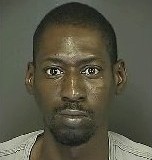
| Legal Identity | Michael Anthony Simmons |
| Confirmed Victims | 5 |
| Attributed / Indicted Victims | 5 |
| Active Timeline | September 30, 2006 |
| Jurisdiction / Area of Operations | North Charleston, South Carolina, USA |
| Criminological Classification | Mass Murderer |
| Forensic Modus Operandi | Execution by firearm in a domestic setting |
| Weapon / Mechanism of Death | Firearm (handgun) |
| Motive / Behavioral Dynamics | Psychiatric instability / History of violence |
| Judicial Outcome | Found mentally unfit for trial (2008); indefinitely confined to a state mental hospital |
1. Background and Profile
Michael Anthony Simmons (born April 26, 1965) had a long history of violent crime, including assault, robbery, and a 1987 suicide attempt. Diagnosed with mild mental retardation and a history of hallucinations following a severe traffic accident in his youth, Simmons married Detra Rainey in September 2005. Despite a period of apparent stability, his history of volatile behavior was well-documented.
2. Crime Spree
On September 30, 2006, Simmons murdered his wife, Detra Rainey (39), and her four children: William Lee Rainey (16), Hakiem Rainey (13), Malachi Robinson (8), and Samenia Robinson (6). The killings took place at their mobile home in the Ferndale area of North Charleston. Simmons used a handgun between 3:00 AM and 5:45 AM. He remained at the scene until a neighbor discovered the bodies and contacted the police.
3. Investigation and Arrest
North Charleston police arrested Simmons at the scene, where he was found in possession of the murder weapon. While initially coherent during initial police interviews, his mental state deteriorated significantly during his incarceration, leading to a diagnosis of dementia and severe confusion.
4. Legal Proceedings and Outcome
Simmons was charged with five counts of murder. In June 2008, Circuit Judge Kristi Harrington ruled that Simmons was mentally unfit to stand trial, citing psychiatric reports that suggested severe cognitive impairment, potentially linked to a stroke suffered while in jail. This ruling resulted in his indefinite confinement to a secure state mental hospital, a decision that caused significant distress to the victims' surviving family members.