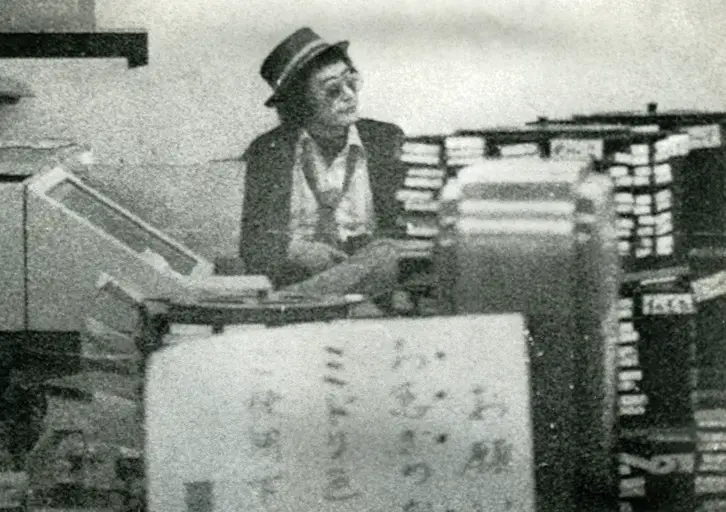
Forensic & Criminological Matrix
| Parameter | Forensic Detail |
|---|---|
| Forensic Heading / Aliases | None |
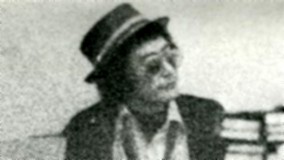
| Legal Identity | Akiyoshi Umekawa |
| Confirmed Victims | 5 |
| Attributed / Indicted Victims | 5 |
| Active Timeline | 1963 - 1979 |
| Jurisdiction / Area of Operations | Japan (Hiroshima, Osaka) |
| Criminological Classification | Mass murderer |
| Forensic Modus Operandi | Hostage-taking, armed robbery, psychological abuse |
| Weapon / Mechanism of Death | Firearms (shotgun) |
| Motive / Behavioral Dynamics | Psychopathy, influence of violent media |
| Judicial Outcome | Deceased (fatally shot by police) |
1. Background and Profile
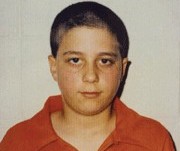
Akiyoshi Umekawa was born in Otake, Hiroshima, on March 1, 1948. He was an avid reader of hardboiled fiction and was deeply influenced by transgressive cinema, particularly Pier Paolo Pasolini's Salò, or the 120 Days of Sodom. Despite his initial murder at age 15, Japanese juvenile law shielded his criminal record, allowing him to obtain firearms later in life.
2. Crime Spree
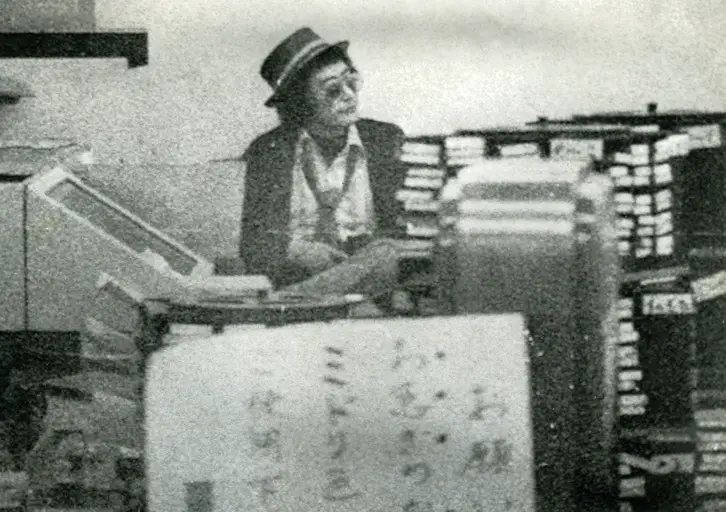
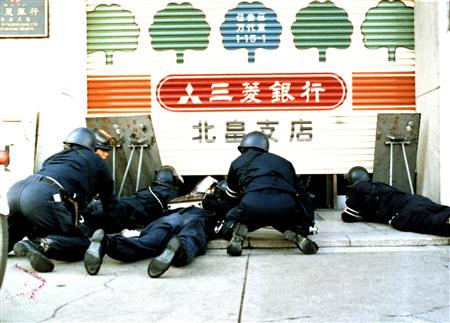
After his initial 1963 homicide, Umekawa orchestrated a major incident on January 26, 1979, at the Mitsubishi Bank in Sumiyoshi-ku, Osaka. He held 40 hostages, subjecting them to severe psychological degradation. He murdered two bank employees and two police officers during the siege.
3. Investigation and Arrest
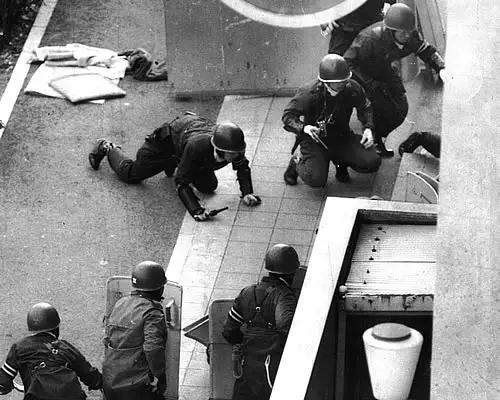
The incident was handled by commander Rokuro Yoshida. It marked the first deployment of specialized armed police units in Japan. The standoff ended on January 28, 1979, when police stormed the bank.
4. Legal Proceedings and Outcome
Umekawa was fatally shot by police during the final assault on January 28, 1979. Consequently, no trial occurred. His actions left a lasting impact on Japanese pop culture, influencing films and music throughout the 1980s and 1990s.