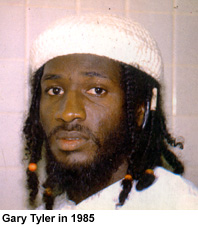
Forensic & Criminological Matrix
| Parameter | Forensic Detail |
|---|---|
| Forensic Heading / Aliases | N/A |
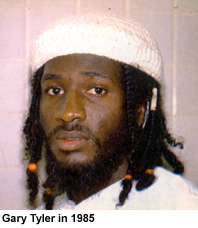
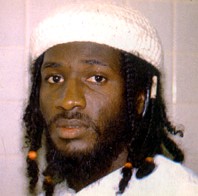
| Legal Identity | Gary Tyler |
| Confirmed Victims | 1 |
| Attributed / Indicted Victims | 1 |
| Active Timeline | 1974 |
| Jurisdiction / Area of Operations | Destrehan, Louisiana, USA |
| Criminological Classification | Homicide (Controversial Case) |
| Forensic Modus Operandi | Shooting during racial riots |
| Weapon / Mechanism of Death | .45 caliber pistol (disputed evidence) |
| Motive / Behavioral Dynamics | Racial tension regarding school desegregation |
| Judicial Outcome | Death sentence (1975), commuted to life; released in 2016 after plea deal |
1. Background and Psychopathy
Born in New Orleans in 1958, Gary Tyler grew up in St. Rose, Louisiana. His exposure to the Black Power movement in Los Angeles during his youth fostered a political awareness that clashed with the segregated environment of St. Charles Parish, leading to frequent friction with local law enforcement.
2. Crime Spree
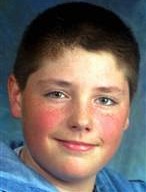
On October 7, 1974, during violent protests against the desegregation of Destrehan High School, a bus carrying Black students was besieged by a white mob. Timothy Weber, a 13-year-old white student, was fatally shot. Tyler was identified as the shooter by police, despite being one of many students on the bus.
3. Investigation and Arrest
The investigation was characterized by significant forensic flaws. Initial searches of the bus yielded no weapon. The .45 caliber pistol later 'discovered' was linked to a police firing range. Key witnesses, including Nathalie Blanks, later recanted, citing police coercion and threats.
4. Legal Proceedings and Outcome
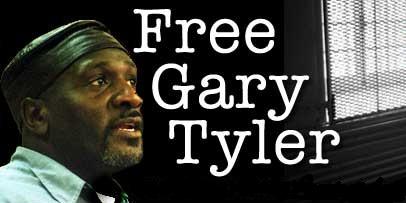
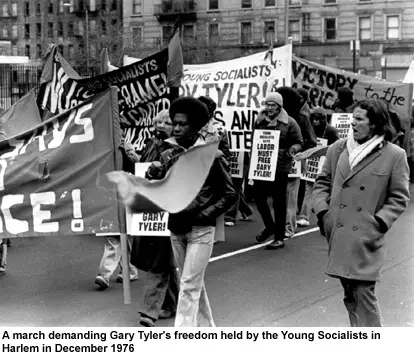
Tyler faced an all-white jury and was sentenced to death in 1975. His case became a focal point for human rights organizations, including Amnesty International, which labeled him a political prisoner. After the Louisiana death penalty was ruled unconstitutional, his sentence was commuted to life.
5. Final Resolution
In 2016, after 41 years of incarceration, Tyler entered a plea of guilty to manslaughter. He was sentenced to 21 years, and having already served more than double that time, he was released from the Louisiana State Penitentiary.