Forensic & Criminological Matrix
| Parameter | Forensic Detail |
|---|---|
| Forensic Heading / Aliases | N/A |
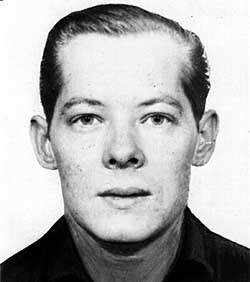
| Legal Identity | Ralph Turpin |
| Confirmed Victims | 2 |
| Attributed / Indicted Victims | 2 |
| Active Timeline | 1917 - 1942 |
| Jurisdiction / Area of Operations | Oregon and California, USA |
| Criminological Classification | Revenge-motivated homicide |
| Forensic Modus Operandi | Stalking, waiting, and execution by firearm |
| Weapon / Mechanism of Death | .22-caliber revolver |
| Motive / Behavioral Dynamics | Workplace resentment and personal vendetta |
| Judicial Outcome | Life imprisonment (re-incarcerated 1942) |
1. Background and Psychopathy
Ralph Turpin was a transient laborer characterized by his inability to handle workplace criticism. His criminal behavior was rooted in deep-seated resentment and a propensity for violent retaliation when faced with perceived slights or job loss.
2. Crime Spree
On August 10, 1917, Turpin murdered Bill McAllister at the Spaulding Lumber Mill in Oregon. He stalked the victim and shot him twice with a .22-caliber revolver. In February 1942, while living as a fugitive, he killed a 30-year-old man in Salinas, California, following a heated argument.
3. Investigation and Arrest
Sheriff George W. Lewis utilized forensic clues, specifically hand-rolled cigarette butts, to track Turpin. A psychological ruse involving fingerprint matching led to Turpin's initial confession. After his 1920 prison escape, he successfully evaded authorities for over two decades.
4. Legal Proceedings and Outcome
Turpin was originally sentenced to life in prison in 1917. Following his 1942 arrest in California under the alias 'Robert Jordan', his true identity was revealed through fingerprint analysis. He was returned to the Oregon State Penitentiary to serve the remainder of his life sentence.