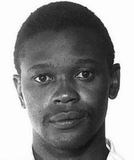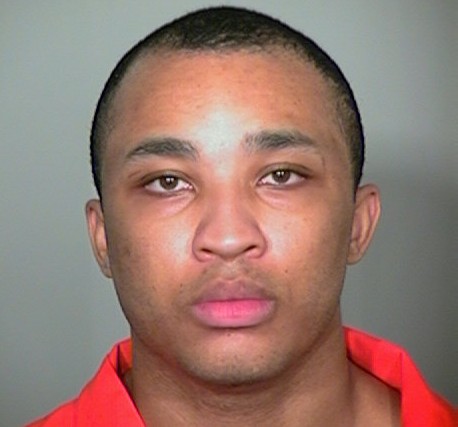
Forensic & Criminological Matrix
| Parameter | Forensic Detail |
|---|---|
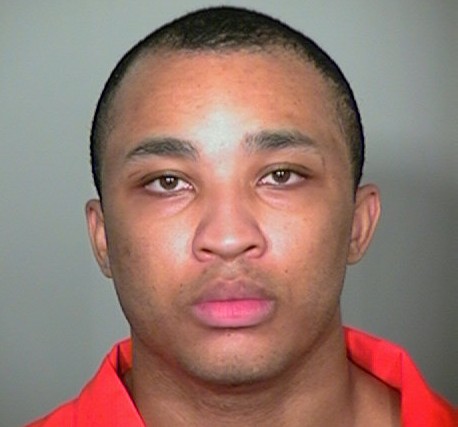
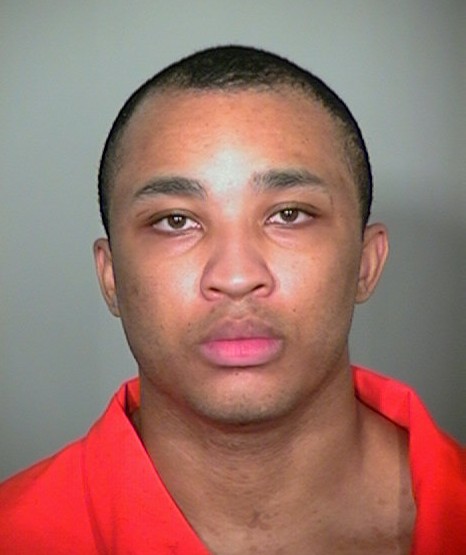
| Forensic Heading / Aliases | Eugene Robert Tucker |
| Legal Identity | Eugene Robert Tucker |
| Confirmed Victims | 3 |
| Attributed / Indicted Victims | 3 |
| Active Timeline | July 15, 1999 |
| Jurisdiction / Area of Operations | Maricopa County, Arizona, USA |
| Criminological Classification | Multiple Homicide / Sexual Offender |
| Forensic Modus Operandi | Firearm execution, sexual assault, and physical torture |
| Weapon / Mechanism of Death | Firearm, telephone cord, duct tape |
| Motive / Behavioral Dynamics | Romantic rejection and interpersonal conflict |
| Judicial Outcome | Sentenced to death on March 9, 2001 |
1. Background and Profile
Eugene Robert Tucker (born July 5, 1981) was involved in a romantic relationship with AnnMarie Merchant. His criminal profile is characterized by a violent reaction to personal rejection, leading to a calculated and brutal triple homicide.
2. Crime Spree
On July 15, 1999, following a rejection by AnnMarie the previous evening, Tucker entered her apartment. He proceeded to shoot Roscoe Merchant and Cindy Richards in the head while they slept. He then engaged in a violent struggle with AnnMarie, during which he sexually assaulted her, inflicted blunt force trauma, restrained her with handcuffs and duct tape, and strangled her with a telephone cord before shooting her.
3. Investigation and Arrest
Law enforcement in Maricopa County processed the crime scene, gathering forensic evidence that directly linked Tucker to the murders. The investigation focused on the systematic nature of the killings and the physical evidence recovered from the apartment.
4. Legal Proceedings and Outcome
Presided over by Judge Michael D. Jones, the trial began on August 21, 2000. Prosecutor Patricia Hicks-Stevens successfully argued for the presence of aggravating circumstances, including the heinous and cruel nature of the crimes. Tucker was found guilty on September 15, 2000, and sentenced to death on March 9, 2001. The conviction was later upheld by the Arizona Supreme Court.