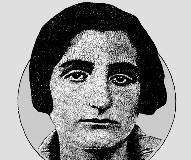
Forensic & Criminological Matrix
| Parameter | Forensic Detail |
|---|---|
| Forensic Heading / Aliases | Gail Trait |
| Legal Identity | Gail Trait |
| Confirmed Victims | 4 (Demario, 2; Kylia, 8; Amina, 6; Inez, 4) |
| Active Timeline | July 17, 1978 |
| Jurisdiction / Area of Operations | Buffalo, Erie County, New York, USA |
| Criminological Classification | Filicidal / Domestic Mass Murderer |
| Forensic Modus Operandi | Lethal stabbing of her own children in a domestic environment during an acute psychotic episode |
| Weapon / Mechanism of Death | Kitchen knife / Sharp force trauma |
| Motive / Behavioral Dynamics | Paranoid schizophrenia / Mystical delusions and voodoo ritual fixation |
| Judicial Outcome | Convicted in 1979 of second-degree murder (25 years to life); conviction overturned in 1988 due to ineffective assistance of counsel, leading to institutional psychiatric confinement |
1. Background and Profile
Gail Trait, 26 years old at the time of the offenses, was a single mother and a liberal arts student majoring in social sciences at Erie Community College. She had been separated from the children's father for approximately two years. Prior to the incident, the children had been under the custody of Erie County child welfare officials and were returned to her care merely two weeks before the tragedy. Subsequent reports indicated a history of psychological deterioration and bizarre beliefs regarding curses and voodoo rites.
2. Crime Spree
On July 17, 1978, inside her mother's apartment on Buffalo's East Side, Trait experienced a severe psychiatric breakdown. She fatally stabbed her four children: Demario (2), Kylia (8), Amina (6), and Inez (4). Following the killings, Trait contacted the police herself, incoherently stating that she was attempting to «save her soul» and mentioning a voodoo curse.
3. Investigation and Forensic Pursuit
Law enforcement intervention was immediate following Trait's emergency call. Crime scene investigators secured the murder weapon and documented the gruesome scene. During the pretrial and trial phases, psychiatric experts offered conflicting testimonies: defense psychiatrists diagnosed her as a paranoid schizophrenic, whereas prosecution experts argued she acted out of anger with cognitive awareness of her actions.
4. Legal Proceedings and Outcome
Trait was arrested at the scene. In December 1979, a jury rejected the insanity defense and convicted her on four counts of second-degree murder. On February 25, 1980, she was sentenced to twenty-five years to life in prison. However, on April 8, 1988, New York State's appellate court unanimously reversed the conviction, ruling that trial counsel's pervasive errors, lack of preparation, and ineffective representation violated the Sixth Amendment. A new trial was ordered, and Trait was subsequently transferred to secure psychiatric hospitalization.
5. Psychiatric Assessment and Conclusion
The overarching forensic evaluation confirmed severe paranoid schizophrenia. Following the legal overturning of her conviction due to egregious defense incompetence, Trait's case established an important precedent regarding the constitutional right to effective assistance of counsel in complex psychiatric murder trials, resulting in long-term secure medical confinement.