



Forensic & Criminological Matrix
| Parameter | Forensic Detail |
|---|---|
| Forensic Heading / Aliases | The Nebraska Poisoner |
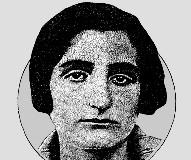
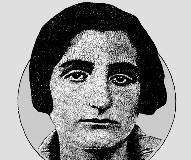
| Legal Identity | Della Sorenson (Mrs. Emmanuel Sorenson) |
| Confirmed Victims | 8 homicides (including three biological children and her first husband) |
| Active Timeline | 1918 - 1924 |
| Jurisdiction / Area of Operations | Dannebrog / St. Paul, Nebraska, USA |
| Criminological Classification | Serial killer / Domestic poisoner |
| Forensic Modus Operandi | Stealthy administration of poison in food or cookies within the domestic sphere targeting blood relatives and in-laws |
| Weapon / Mechanism of Death | Poison (arsenic or toxic compounds available in rural settings) |
| Motive / Behavioral Dynamics | Severe psychiatric disorder, domestic frustration, intolerance of infant crying, convenience, and interpersonal resentment |
| Judicial Outcome | Confessed in 1923/1924; declared mentally unbalanced and committed to the Nebraska State Insane Asylum instead of a criminal trial |
1. Background and Psychopathy
Della Sorenson was a seemingly commonplace rural housewife living in Dannebrog, Nebraska. Behind her ordinary exterior lay deep-seated psychological instability that enabled her to systematically murder members of her extended family and immediate household over several years without immediate detection.
2. Crime Spree and Modus Operandi
Sorenson's modus operandi relied on the surreptitious administration of poison to eliminate relatives who irritated her, represented a burden, or against whom she harbored grudges. Her victims included infants whose crying frustrated her, her first husband, her elderly mother-in-law whom she deemed a burden, and children of relatives targeted in acts of indirect revenge. Following each murder, Sorenson experienced a brief sense of elation followed by anxiety and concealment efforts.
3. Investigation and Forensic Pursuit
The pattern of unexplained deaths within the family came under intense scrutiny in early 1923 following the severe poisoning of two children who ingested contaminated cookies. Local authorities initiated an investigation that quickly focused on Sorenson, leading to her eventual confession.
4. Legal Proceedings and Outcome
In April 1923, Sorenson signed a formal confession detailing eight murders committed via poisoning. Given her evident mental derangement and psychiatric evaluations confirming she was mentally unbalanced, the county attorney opted against a traditional murder trial, committing her indefinitely to the State Insane Asylum with provisions to revive charges should she ever be released.