


Forensic & Criminological Matrix
| Parameter | Forensic Detail |
|---|---|
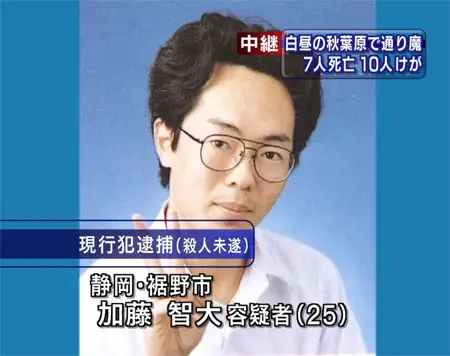
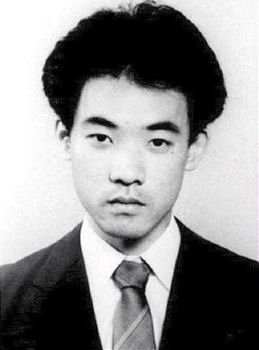
| Full Legal Name | Tomohiro Kato (加藤 智大) |
| Criminological Monikers | The Akihabara Rampage Killer, The Akihabara Slasher |
| Nationality | Japanese |
| Date of Birth | September 28, 1982, Aomori, Aomori Prefecture, Japan |
| Date of Execution | July 26, 2022 (aged 39), Tokyo Detention House, Katsushika, Tokyo, Japan |
| Execution Method | Judicial hanging pursuant to Japanese penal statutory procedure |
| Date of Rampage | Sunday, June 8, 2008 (12:33 PM JST) |
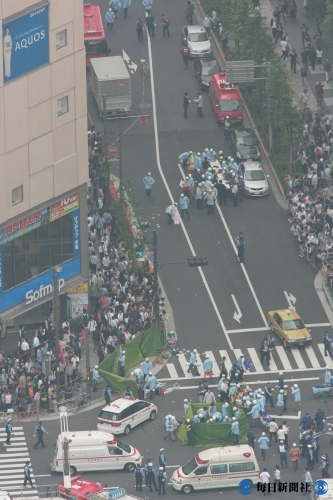
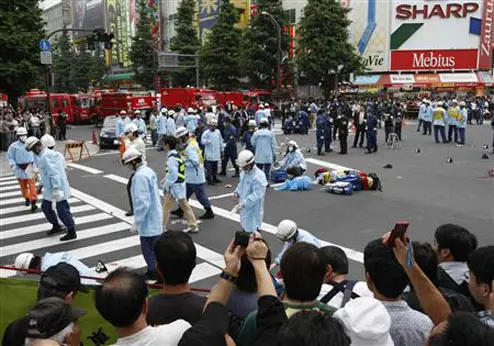
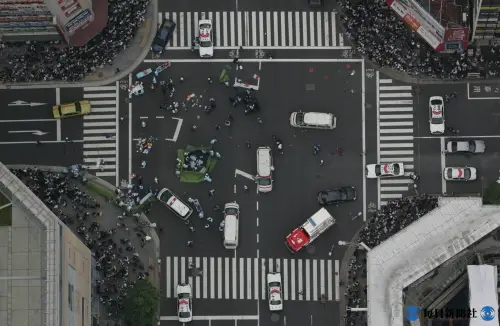
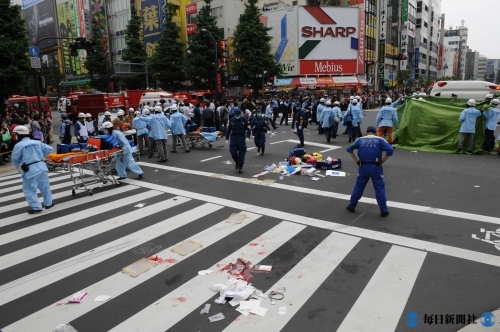
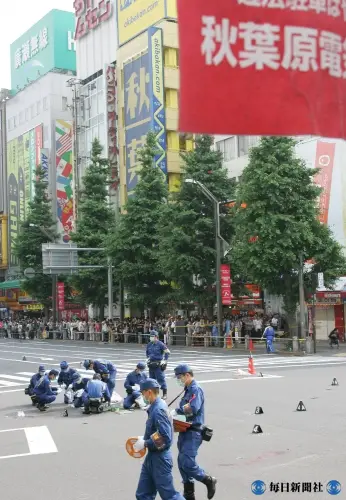
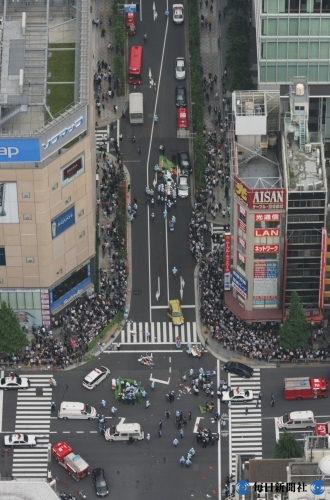
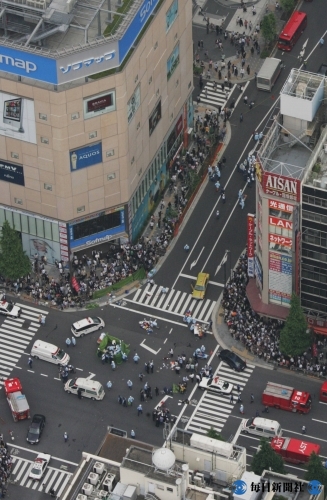
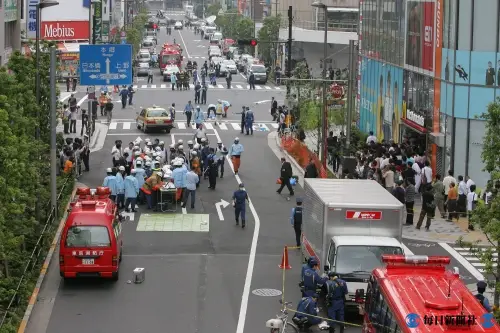
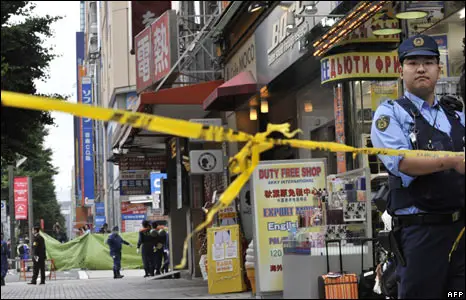
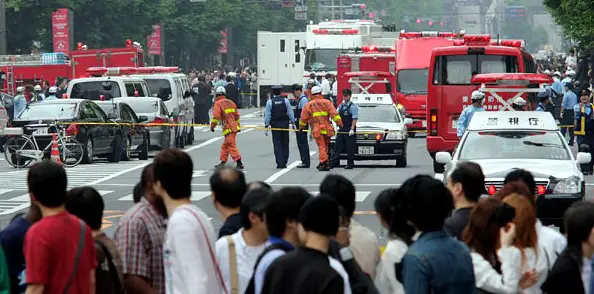
| Strike Location | Intersection of Chūō-dōri and Kanda Myōjin-dōri, Akihabara electronics district, Tokyo |
| Fatalities Incurred | 7 murdered (3 by vehicular collision impact, 4 by fatal dagger stab wounds) |
| Critically Injured | 10 victims (including an intervening Tokyo Metropolitan Police officer) |
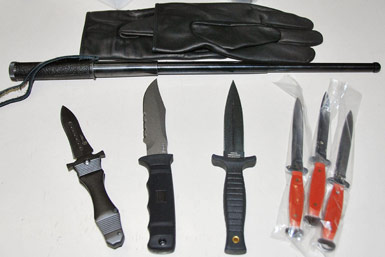
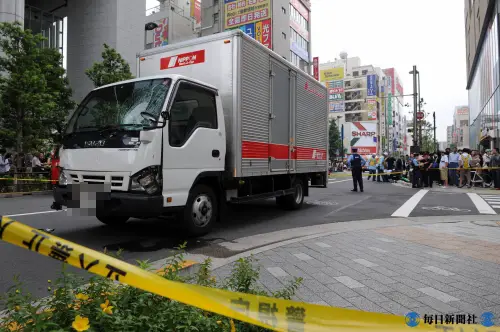
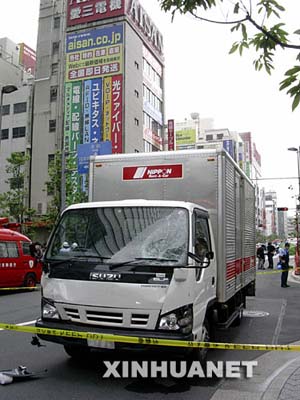
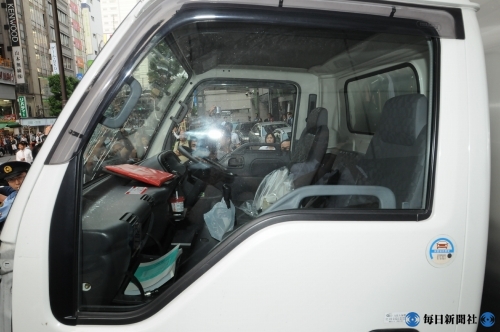
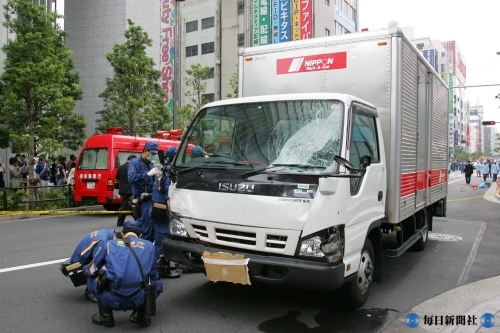
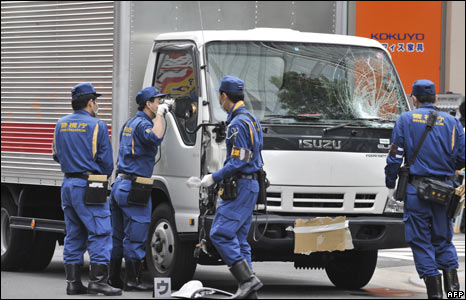
| Weaponry Employed | Rented two-ton flatbed truck (Isuzu Elf) and a double-edged 13cm combat dagger |
| Legislative Legacy | Nationwide ban on double-edged dagger ownership in Japan; temporary cancellation of pedestrian street zones |
Strict Academic Upbringing and Generational Alienation
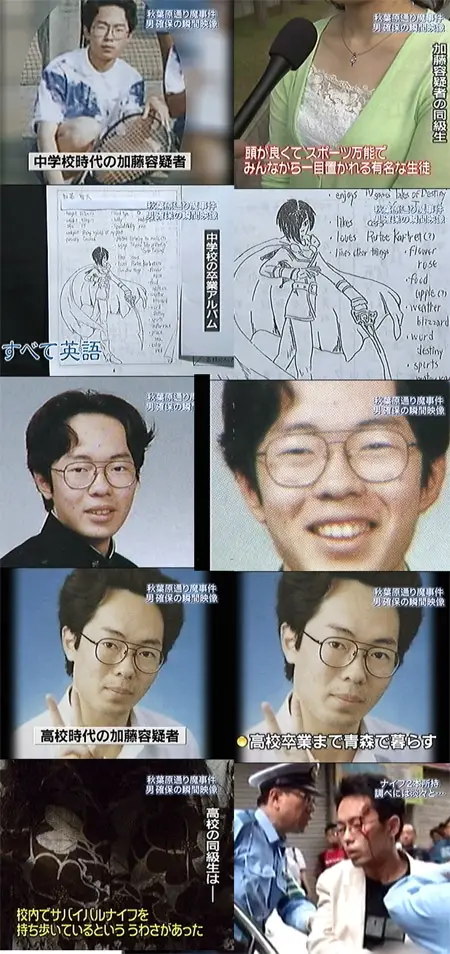
Tomohiro Kato grew up in northern Aomori Prefecture under the regime of an extraordinarily demanding and punitive mother. Academic perfection was ruthlessly enforced: minor scholastic errors resulted in severe physical degradation, including being forced to consume food from floorboards, confinement in dark closets, and writing school essays outdoors barefoot in winter snow.
Although Kato earned admission to a competitive academic high school in Aomori, the psychological strain precipitated an adolescent burnout. Failing university entrance examinations, he enrolled in a provincial automotive trade institute in Hokkaido. Thereafter, he drifted into precarious temporary contract factory labor (haken-shain) in Shizuoka and Saitama prefectures, experiencing severe alienation as part of Japan's post-bubble "lost generation."
The Digital Precipice: Bulletin Board Obsession
Devoid of real-world romantic or social attachments, Kato sought psychological solace in anonymous mobile bulletin boards (2channel and BBS forums), treating online threads as his sole emotional lifeline.
In the months preceding the massacre, Kato authored hundreds of desperate forum posts chronicling acute loneliness, perceived physical unattractiveness, and romantic failure. In early June 2008, experiencing a workplace altercation at an auto parts factory where he erroneously believed his uniform had been maliciously hidden to terminate him, Kato suffered a catastrophic narcissistic decompensation.
Feeling mocked and dismissed by online forum users who ridiculed his suicidal musings, Kato resolved to orchestrate an apocalyptic mass casualty event to punish society and command global attention.
The Minute-by-Minute Akihabara Slaughter
On June 7, 2008, Kato rented a two-ton Isuzu Elf commercial delivery truck and purchased six tactical knives and double-edged combat daggers from a military supply retailer.
Throughout the morning drive to Tokyo on Sunday, June 8, 2008, Kato uploaded approximately 30 real-time bulletins to a mobile forum, chronicling his approach with detached lucidity:
- 05:21 AM: "I will ram them with the vehicle, and if the truck is disabled, I will use knives. Goodbye everyone."
- 09:48 AM: "Approaching Kanagawa. The weather is clear."
- 11:45 AM: "Arrived in Akihabara. Today is the pedestrian mall day, correct?"
- 12:10 PM: "It is time."
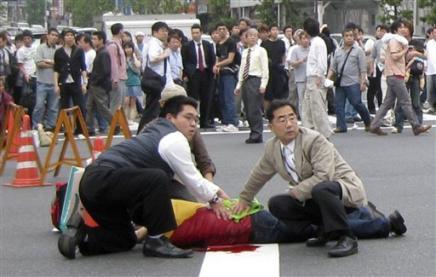
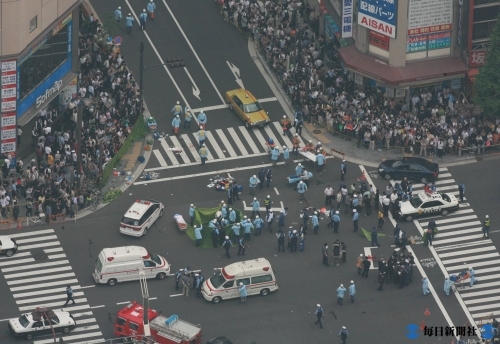
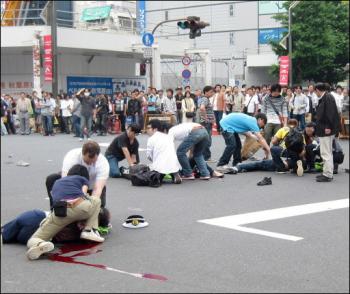
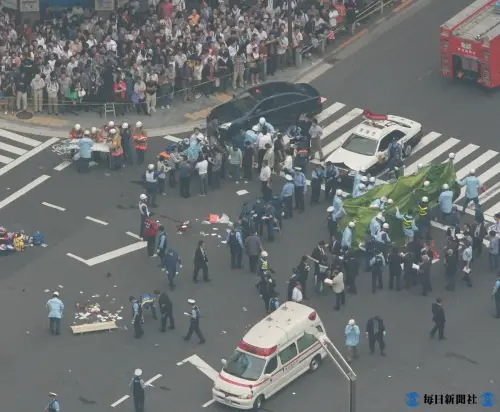
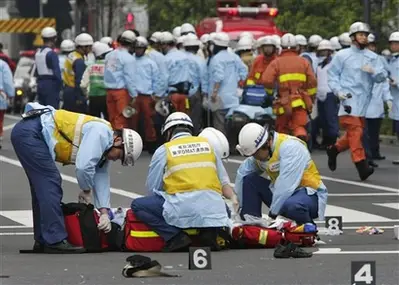
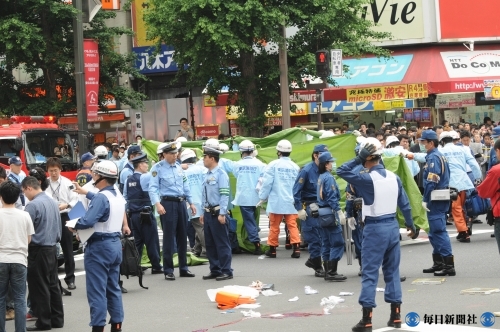
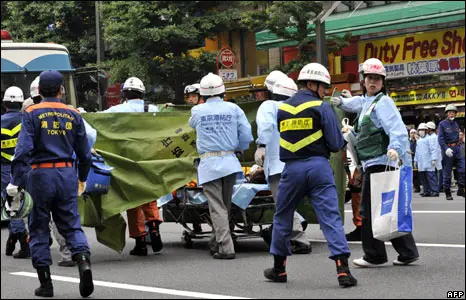
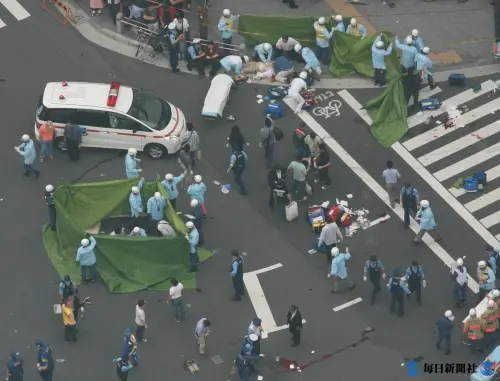
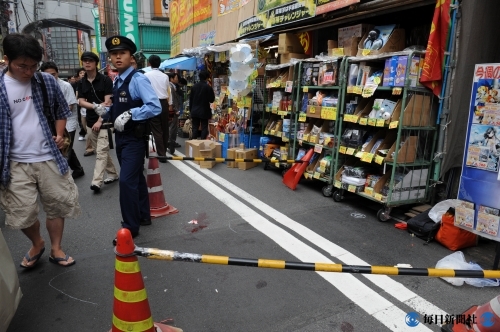
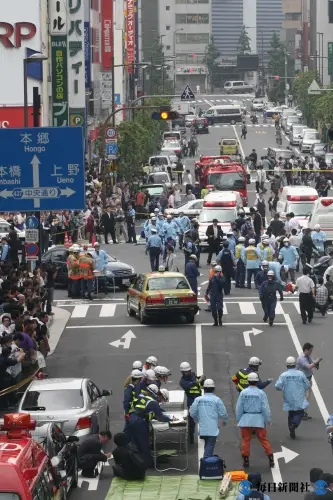
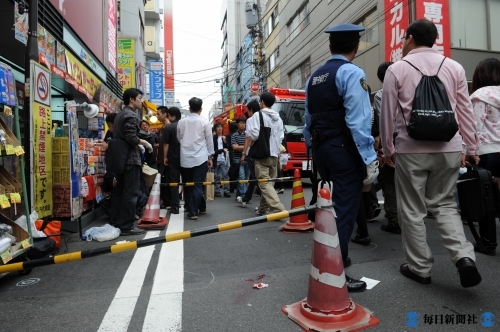
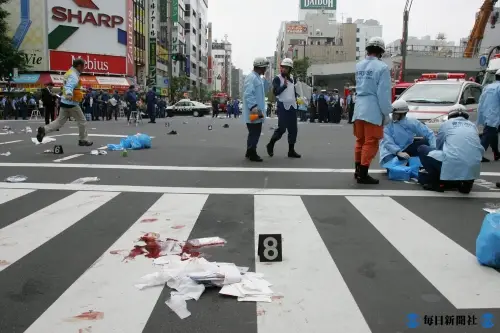
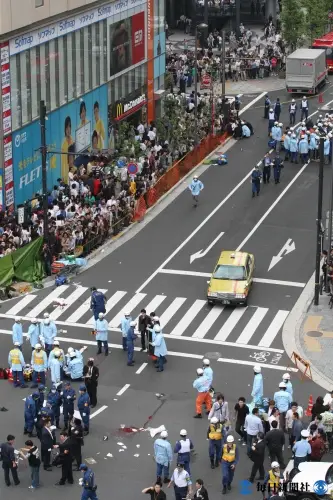
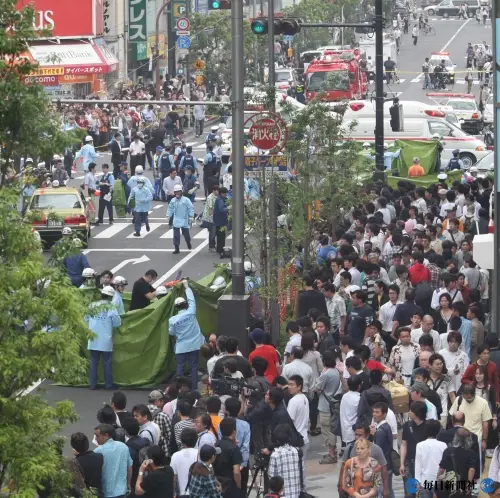
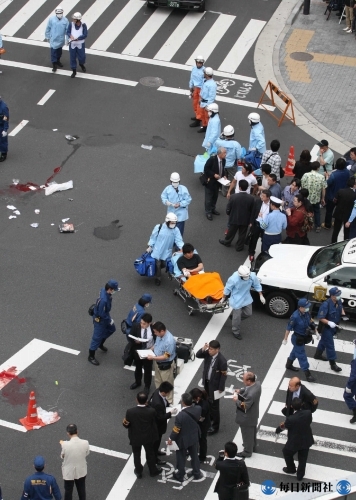
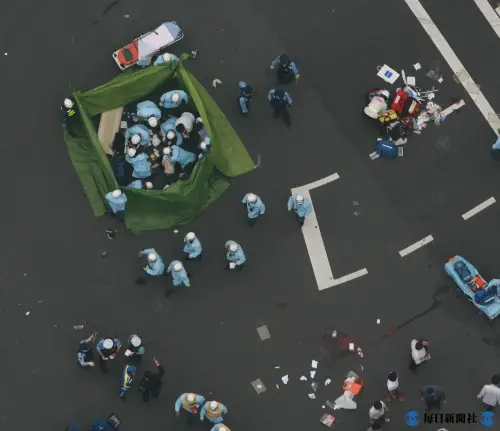
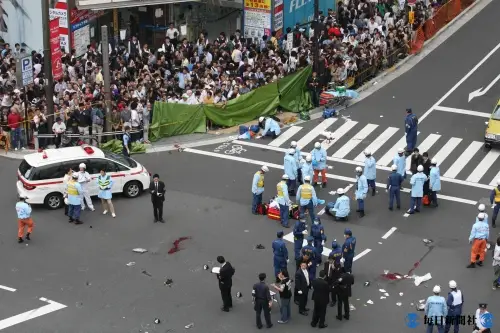
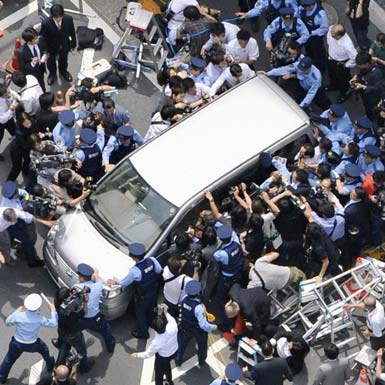
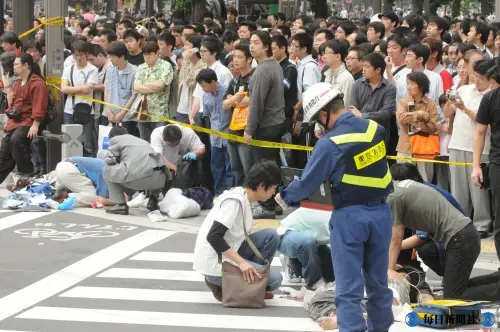
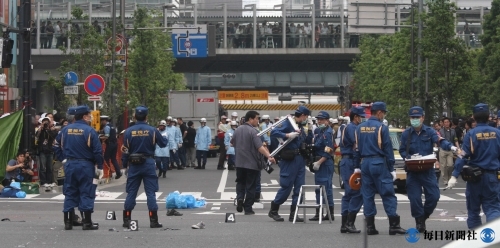
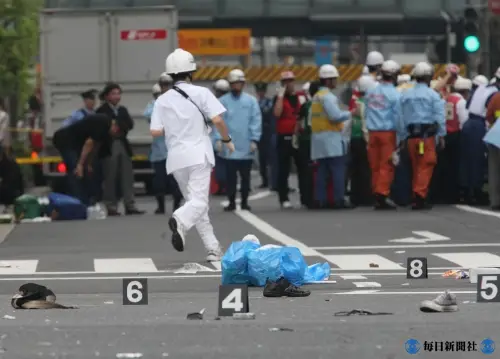
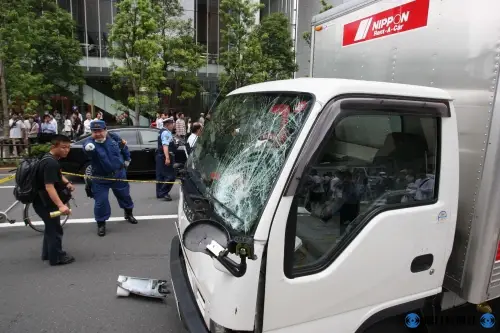
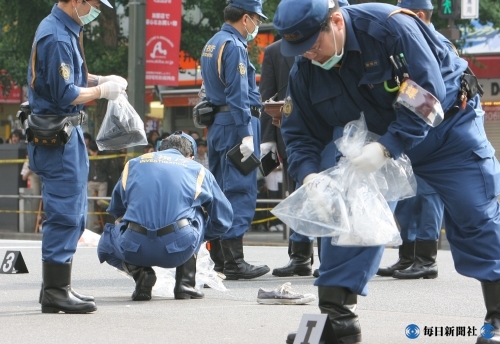
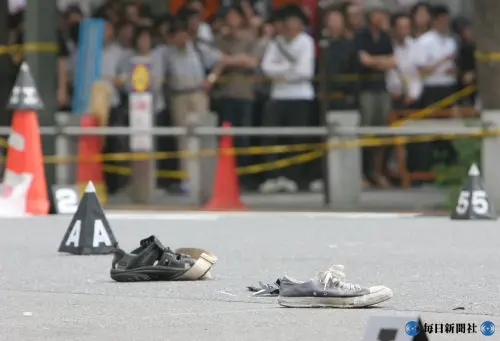
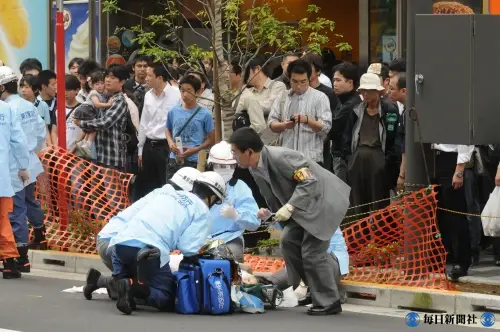
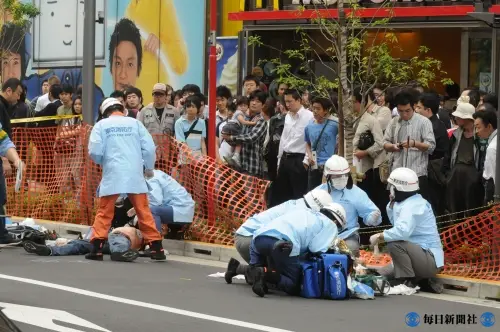
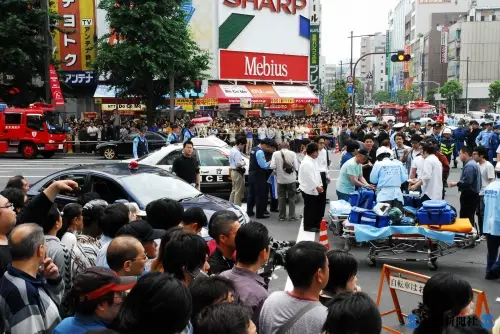
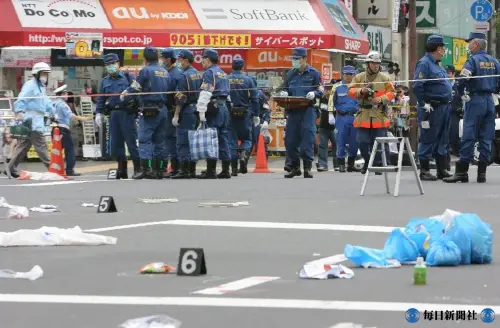
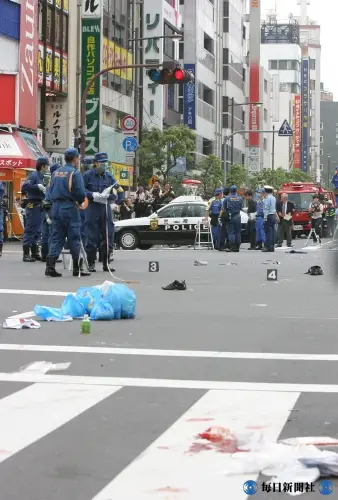
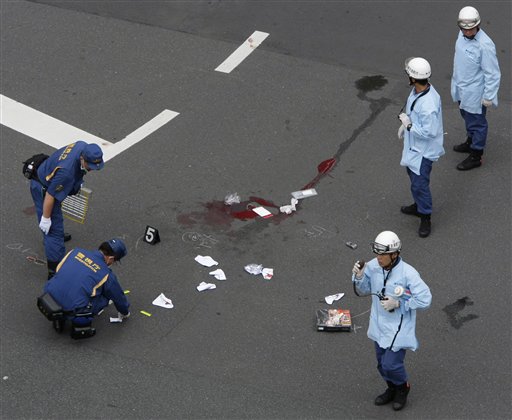
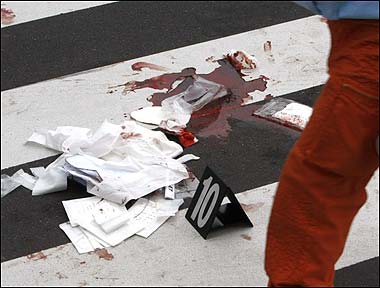
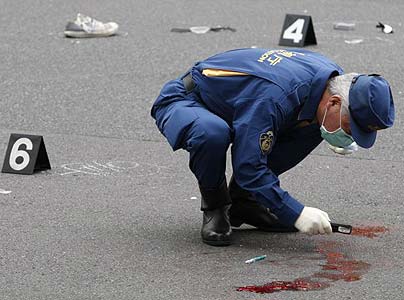
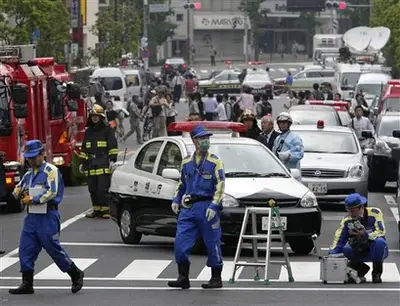
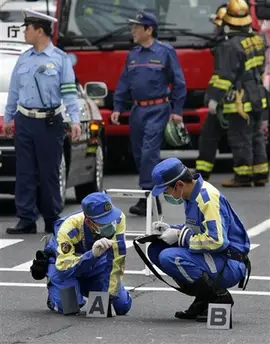
At 12:33 PM, the intersection of Chūō-dōri was packed with thousands of weekend shoppers during Akihabara's renowned vehicle-free pedestrian street zone (Hokōsha Tengoku). Kato accelerated the two-ton truck through a red traffic signal directly into a pedestrian crosswalk, striking five individuals, launching several through the air, and killing three immediately.
The truck stalled against a traffic pole. Kato emerged brandishing a double-edged combat dagger. Over the subsequent two minutes, he engaged in a savage indiscriminate frenzy, stabbing twelve individuals across the chest, neck, and torso, deliberately targeting both panicked pedestrians and Good Samaritans attempting to administer CPR to truck-collision victims.
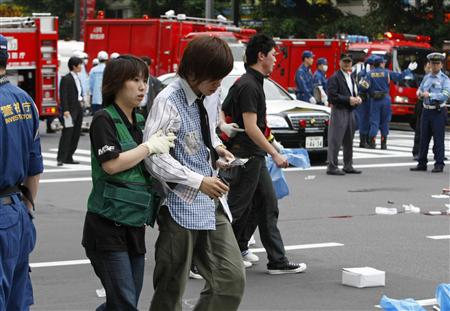
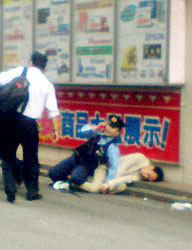
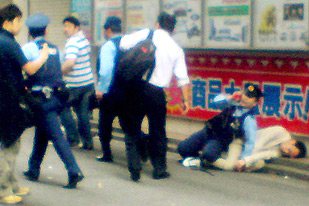
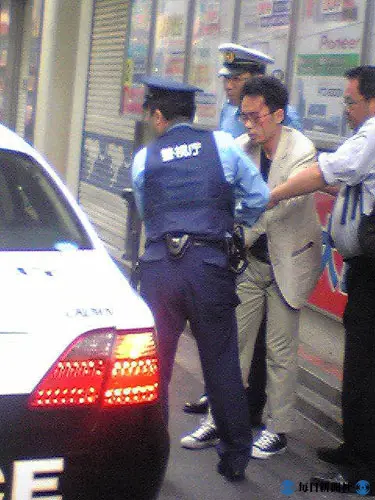
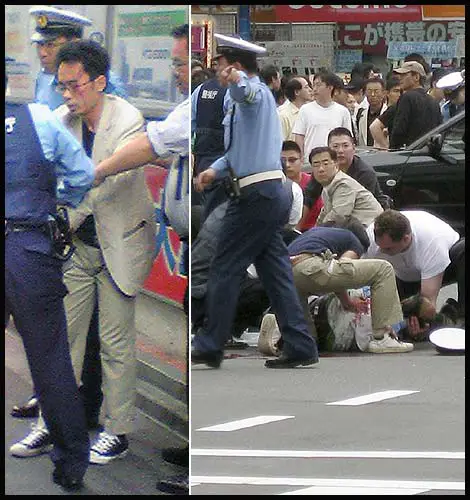
A patrolman from Manseibashi Police Station pursued Kato into an adjacent alleyway, drawing his service sidearm and aiming at Kato's chest. Confronted by armed force, Kato discarded the bloodied dagger and surrendered on his knees at 12:35 PM.
Judicial Condemnation and Capital Execution
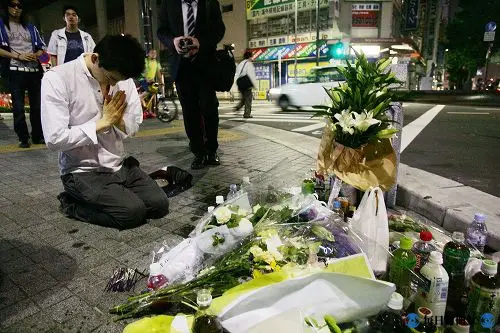
The Akihabara massacre provoked profound international shock. Seven victims (six men and one woman, aged 19 to 74) died from vehicular trauma and deep thoracic stab wounds; ten others suffered critical injuries.
At trial in Tokyo District Court, the defense argued diminished capacity stemming from childhood psychological trauma and reactive emotional disturbance. However, forensic psychiatric evaluators established that Kato retained full criminal responsibility, demonstrated by his methodical vehicle rental, weapon acquisition, and calculated selection of a high-density pedestrian target zone.
In March 2011, Presiding Judge Keiji Kaminishi sentenced Tomohiro Kato to death by hanging, characterizing the attack as an atrocity of unspeakable cruelty bereft of humanity. The Supreme Court of Japan affirmed the capital sentence in February 2015.
On July 26, 2022, following formal authorization by the Japanese Ministry of Justice, Tomohiro Kato was executed upon the gallows of the Tokyo Detention House at the age of 39.