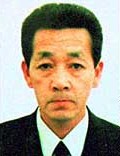





Forensic & Criminological Matrix
| Parameter | Forensic Detail |
|---|---|
| Forensic Heading / Aliases | None |
| Legal Identity | Mitsuhiro Kobayashi |
| Confirmed Victims | 5 |
| Attributed / Indicted Victims | 5 |
| Active Timeline | May 8, 2001 |
| Jurisdiction / Area of Operations | Hirosaki, Aomori Prefecture, Japan |
| Criminological Classification | Mass Murderer |
| Forensic Modus Operandi | Arson with accelerant |
| Weapon / Mechanism of Death | Gasoline and intentional ignition |
| Motive / Behavioral Dynamics | Gambling addiction and financial debt |
| Judicial Outcome | Death sentence, executed in 2014 |
1. Background and Profile
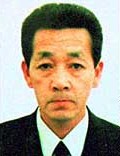
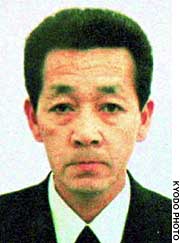
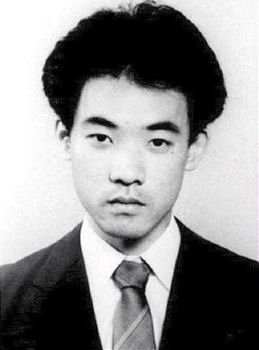
Mitsuhiro Kobayashi, 45, was a resident of Nomioka, Japan. His criminal profile was defined by severe financial instability caused by his addiction to bicycle racing betting. He held debts exceeding 23 million yen, including mortgage loans and consumer finance debts. The pressure from creditors, who threatened to repossess his car, served as the primary catalyst for his criminal actions.
2. Criminal Career and Modus Operandi
On May 8, 2001, at approximately 10:50 a.m., Kobayashi entered the Takefuji Corp. branch in Hirosaki. He poured gasoline on the floor and demanded money from the branch manager. When the manager refused, Kobayashi ignited the fuel and fled. The fire, which engulfed the third-floor office, resulted in the deaths of five employees and left four others with serious burns. Kobayashi continued to gamble on races even after the incident.
3. Investigation and Arrest
Aomori police launched a massive manhunt. The investigation relied on eyewitness accounts of a green car fleeing the scene. After months of investigation, authorities arrested Kobayashi on March 4, 2002. Evidence showed he attempted to cover his tracks by asking his wife to claim she had used the car that day and by making anonymous calls to a local TV station to divert suspicion.
4. Legal Proceedings and Outcome
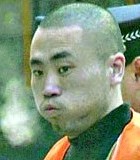
During his trial at the Aomori District Court, Kobayashi admitted to setting the fire but denied murderous intent, claiming he believed employees had escaped. The prosecution successfully argued that he was fully aware of the mortal danger. In February 2003, he was sentenced to death. Presiding Judge Shigeru Matsuura dismissed his appeals, citing his "cold-blooded personality" and the extreme difficulty of rehabilitation.
5. Forensic Psychiatric Assessment and Conclusion
The court determined that Kobayashi acted with full cognitive capacity, driven by selfishness and financial desperation. After exhausting all appeals, the death sentence was upheld. Mitsuhiro Kobayashi was executed in 2014.