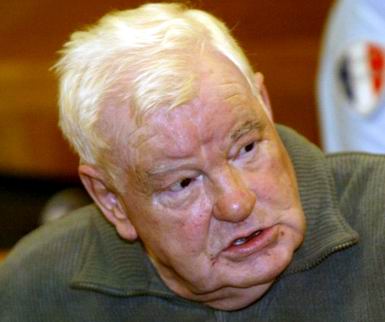





Forensic & Criminological Matrix
| Parameter | Forensic Detail |
|---|---|
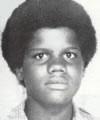
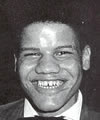
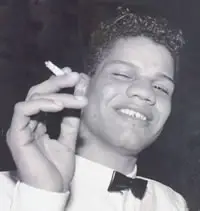
| Full Legal Name | Thierry Paulin |
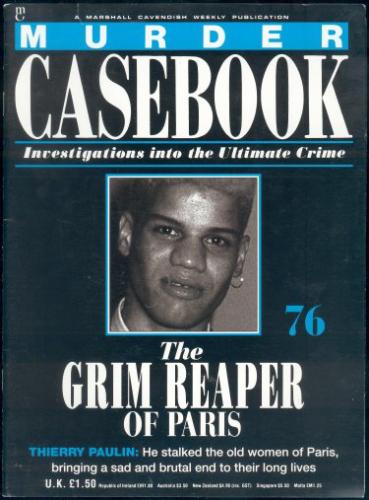
| Criminological Monikers | The Monster of Montmartre, The Paris Grannie Killer, Le tueur de vieilles dames |
| Nationality | French (born in Martinique) |
| Date of Birth | November 28, 1963, Fort-de-France, Martinique, France |
| Date of Death | April 16, 1989 (aged 25), Fresnes Prison Hospital, Val-de-Marne, France |
| Cause of Death | End-stage HIV/AIDS complications prior to judicial trial |
| Span of Offending | October 1984 – November 1987 |
| Geographic Jurisdiction | Paris metropolitan area (primarily the 18th, 11th, 12th, 14th, and 20th arrondissements) |
| Confirmed Fatal Victims | 21 by formal confession (indicted for 18 first-degree murders and 3 attempted murders) |
| Primary Accomplice | Jean-Thierry Mathurin (romantic partner and co-perpetrator in 8 murders; sentenced to life imprisonment in 1991) |
| Modus Operandi & Weaponry | Blunt force trauma, manual strangulation, suffocation via plastic trash bags/pillows, gagging with cloth towels |
| Psychological Profile | Predatory hedonistic psychopath, malignant narcissist driven by parasitic drug lifestyle and anti-geriatric sadism |
Background and Early Psychopathology
Thierry Paulin was born in Fort-de-France, Martinique, to teenage parents. His father abandoned the household shortly after birth, leaving for mainland France. Paulin was left to be raised under harsh conditions by his paternal grandmother, a tavern owner who subjected him to pervasive emotional neglect and corporal punishment. At age ten, he was returned to his mother, experiencing recurring domestic rejection.
In 1980, aged seventeen, Paulin enlisted as a paratrooper in the French Armed Forces and was stationed in Toulouse. During his military service, violent conduct surfaced: in 1982, he brutally assaulted a 67-year-old shopkeeper with a blade during an armed robbery, receiving a suspended military penal term. Following his military discharge, he moved to Paris in early 1983.
The Double Life: Bohemian Drag Performer and Urban Predator
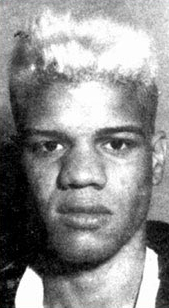
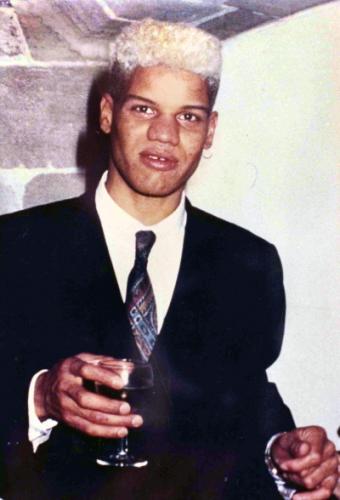
In Paris, Paulin embedded himself in the nightlife of Pigalle and Montmartre. He worked as a server at prominent gay establishments including Le Paradis Latin and launched an alter-ego cabaret drag performer career under the moniker "Clovis," adopting platinum wigs and high-fashion attire.
However, cabaret earnings failed to sustain his escalating cocaine dependency, vintage champagne habits, and designer wardrobe. To finance this lavish existence, Paulin conceptualized a systematic predatory strategy targeting the most vulnerable demographic of the French capital: elderly widows residing in antiquated apartment blocks devoid of doormen or electronic intercom access.
The Montmartre Murder Waves
The homicide series commenced on October 5, 1984, in the 18th arrondissement. Paulin surveilled prospective victims at neighborhood grocers and pharmacies, shadowed them to their residential doorways, and forcefully breached their apartments as they unlocked their units. Once inside, he coerced them for hidden cash and valuables, subjecting the women to ferocious bludgeoning, rib fractures, and asphyxiation using plastic bags tied securely over their heads or towels crammed into their throats.
In late 1984, Paulin met Jean-Thierry Mathurin in Toulouse. Mathurin, a fellow drug-dependent youth from French Guiana, relocated to Paris and became Paulin's partner and active accomplice in eight murders committed between November and December 1984. The duo unleashed a wave of terror, claiming eight elderly lives in under eight weeks before Mathurin briefly departed back to southwestern France.
Following a temporary incarceration in 1985 for narcotics trafficking, Paulin resumed sole predatory assaults throughout late 1986 and 1987, murdering ten additional women using identical brutal methodologies.
Forensic Investigation and Apprehension
Public hysteria gripped northern Paris, prompting the Brigade Criminelle of the Police Judiciaire to initiate an unprecedented urban dragnet. Forensic hurdles were substantial: Paulin wore woolen gloves, varied his asphyxiation implements, and left no surviving eyewitnesses until late 1987.
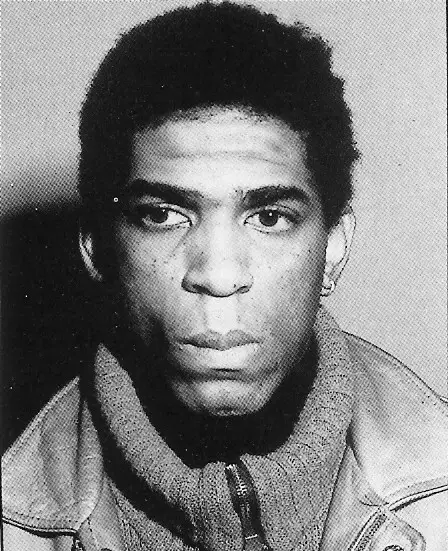
The critical investigative breakthrough occurred in November 1987, when an elderly victim survived a severe beating and provided detectives with an exacting composite sketch: a slender mixed-race male with dyed hair highlights and athletic posture. On December 1, 1987, a police inspector on patrol identified Paulin walking along Rue Caulaincourt in Montmartre.
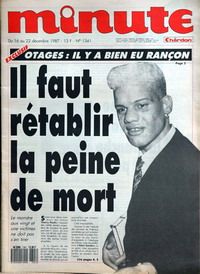
Paulin was taken into custody without armed resistance. Over 48 hours of custodial interrogation at Quai des Orfèvres, he delivered a cold, detailed confession to 21 homicides, citing intimate floor plans and specific stolen heirlooms that only the true perpetrator could possess. He stated he felt no animosity toward the victims, but killed them systematically to prevent witness identification while reveling in absolute dominion.
Final Outcome and Legal Proceedings
Following remand at Fresnes Prison, medical diagnostics confirmed Paulin was suffering from advanced end-stage HIV/AIDS contracted during his earlier nightlife years. His physical condition deteriorated rapidly: suffering complete paralysis and blindness, he was transferred to the secure wing of Fresnes Prison Hospital, where he died on April 16, 1989, aged 25, terminating criminal proceedings against him.
Jean-Thierry Mathurin stood trial alone before the Paris Assize Court in January 1991. Convicted of complicity and co-perpetration in eight murders and one attempted murder, Mathurin received life imprisonment with an 18-year non-parole tariff. The case of Thierry Paulin endures as France's most notorious serial murder investigation of the late 20th century.