




Émile Louis ("The Butcher of Yonne"): The Disappearances of Auxerre, Institutional Cover-up, and Life Sentence (1975–2004)
Executive Summary
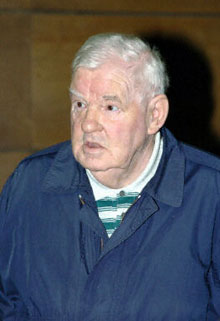
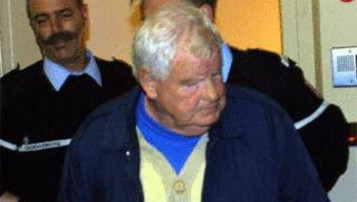
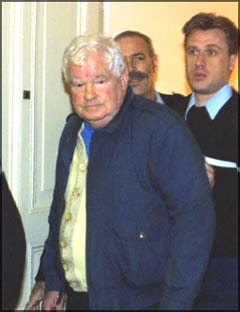
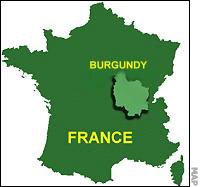
Émile Louis (January 26, 1934 – October 20, 2013), known in the annals of French criminal history as "The Butcher of Yonne" (Le Boucher de l'Yonne) and "The Ogre of Auxerre", was an organized French serial killer, sexual sadist, and specialized school bus driver who abducted, sexually assaulted, and murdered at least seven young vulnerable women between 1975 and 1980 across the Yonne department of Burgundy. All of his victims were wards of the state overseen by child welfare services (Direction Départementale des Affaires Sanitaires et Sociales - DDASS) who suffered from mild to moderate cognitive and motor disabilities, vanishing without official inquiry while using Louis’s dedicated transit service.
Known as the scandal of "Les Disparues de l'Yonne" (The Missing Women of Yonne), the affair represents one of the most disgraceful systemic failures and institutional cover-ups in the history of the French judiciary. For over two decades, examining magistrates and public prosecutors in Auxerre dismissed missing persons reports as routine "voluntary runaways" by marginalized wards, actively suppressing an exhaustive forensic investigative dossier submitted in 1984 by Gendarmerie Adjudant-Chef Christian Jambert (who was found dead in 1997 from two gunshot wounds to the head under officially designated, yet forensically disputed, "suicide" circumstances).
Following decades of relentless legal pressure led by crusading attorney Corinne Herrmann and victim advocacy associations, the judicial inquiry was transferred. In December 2000, under Gendarmerie interrogation, Émile Louis gave a detailed voluntary confession describing the strangulation and clandestine burial of all seven women, leading forensic excavators directly to the skeletal remains of Jacqueline Weis and Madeleine Dejust in the Rouvray woodlands. In November 2004, the Yonne Court of Assizes sentenced Louis to unconditional life imprisonment (réclusion criminelle à perpétuité). He died in prison custody in 2013 at age 79.
Forensic Technical Matrix
| Parameter | Criminological & Forensic Detail |
|---|---|
| Legal Identity | Émile Louis |
| Public Notoriety Name | Émile Louis |
| Criminological Aliases | "The Butcher of Yonne", "The Ogre of Auxerre" |
| Date of Birth | January 26, 1934 (Pontigny, Yonne, France) |
| Date of Death | October 20, 2013 (Nancy, Meurthe-et-Moselle, France; aged 79, in custody) |
| Vital & Legal Status | Deceased in penal custody (Deceased); served sentence of criminal life imprisonment |
| Criminological Classification | Organized sadistic serial killer / Institutional predatory sex offender |
| Confirmed Fatal Victims | 7 young women murdered (plus multiple unverified historical disappearances) |
| Identity of Victims | Janine Andrade (24), Jacqueline Weis (18), Chantal Gras (18), Madeleine Dejust (21), Christine Frémy (18), Bernadette Lemoine (19), Martine Renault (16) |
| Modus Operandi | Transit route targeting, rural isolation, sexual enslavement, manual/ligature strangulation, clandestine burial |
| Primary Motive | Sadistic sexual predation, coercive domination over cognitively incapacitated females |
| Geographic Scenes | Auxerre, Rouvray, Appoigny, and the banks of the Serein River (Burgundy, France) |
| Key Investigator | Adjudant-Chef Christian Jambert (Gendarmerie Nationale, Auxerre; found dead in 1997) |
| Trial Court | Cour d'assises de l'Yonne (Auxerre; Presiding Judge Jean-Pierre Getti) |
| Definitive Sentence | Life imprisonment with an 18-year unconditional safety period (Réclusion criminelle à perpétuité) |
Background and Institutional Exploitation
Raised in fractured circumstances in rural Yonne, Émile Louis was placed in juvenile foster facilities before enlisting in the French Army, serving combat tours in Indochina and Algeria. Upon receiving an honorable discharge, he returned to Burgundy, establishing himself as a commercial transport driver for Rapides de Bourgogne operating specialized bus lines in Auxerre.
Louis was assigned to routes transporting adolescents and young adults from specialized medical-psychological day centers, assisted-work workshops (CAT), and foster care facilities run by the state welfare administration (DDASS). This granted him unsupervised daily custody over young women aged 16 to 24 who suffered from varying degrees of cognitive disabilities, social isolation, and absolute institutional dependency.
Projecting a jovial, paternal demeanor, Louis cultivated relationships with the vulnerable passengers, plying them with sweets, offering rides outside formal schedules, and exploiting their isolation to isolate them from protective care.
The Series of Killings: The Missing Women of Yonne (1975–1980)
Between 1975 and 1980, seven young women within Louis's direct transit network disappeared in sequence:
- Janine Andrade (24, disappeared 1975): Speech- and hearing-impaired; last witnessed boarding Louis’s bus.
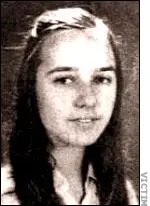
- Jacqueline Weis (18, disappeared April 1977): Living under DDASS care; her skeletal remains were exhumed in 2000.
- Chantal Gras (18, disappeared May 1977): Disappeared at a rural bus stop in the Yonne countryside.
- Madeleine Dejust (21, disappeared July 1977): Suffered severe cognitive impairment; her skeleton was recovered from the Rouvray woodlands.
- Christine Frémy (18, disappeared December 1977): An apprentice at an Auxerre vocational facility.
- Bernadette Lemoine (19, disappeared March 1979): Vanished en route to her specialized workshop.
- Martine Renault (16, disappeared January 1980): The youngest verified victim of the predator.
In each instance, the operational mechanics followed a uniform predatory sequence: Louis detained the victims in the vehicle at the end of routes or picked them up under false pretenses, drove them to isolated forest tracts along the Serein River near Rouvray, subjected them to prolonged sexual assaults, strangled them manually or with ligatures, and buried their corpses in prepared pits.
Institutional Blindness and the Tragic Fate of Gendarme Jambert
Despite urgent alarms raised by frontline social educator Christiane Hohmann, court magistrates and DDASS administrators categorically refused to investigate, classifying the disappearances as adolescent runaways and summarily archiving the files without forensic inquiries.
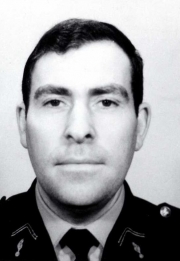
In 1984, Christian Jambert, Chief Warrant Officer of the Auxerre Gendarmerie, undertook an independent, rigorous investigation. Jambert systematically mapped the victims' itineraries, demonstrating that every missing girl crossed paths exclusively with Émile Louis. Jambert documented Louis's prior convictions for indecent assault and compiled an exhaustive dossier establishing a prima facie case of serial abduction and murder.
Jambert submitted his comprehensive report to the Auxerre Public Prosecutor's Office, urging immediate indictments. Shockingly, the dossier was shelved and disappeared into court archives. Ostracized by judicial superiors, Jambert retired from the service in deep distress. On August 4, 1997, days before he was scheduled to testify before an appellate judicial review board, Jambert was found dead in his garage with two separate rifle bullet wounds to the head. Local authorities hurriedly ruled the death a suicide, a verdict bitterly contested by independent ballistics experts and civil parties.
Confession, Exhumations, and Final Judgment
The tenacity of human rights attorney Corinne Herrmann and victim association leader Pierre Monnoir eventually forced the Court of Appeal of Paris to reassign the case to the Dijon Gendarmerie in 2000.
On December 12, 2000, Gendarmes arrested Émile Louis at his retirement residence in Draguignan, southern France. Subjected to sustained interrogation, Louis finally broke down:
- He confessed on tape to the abduction, sexual assault, and manual strangulation of all seven women.
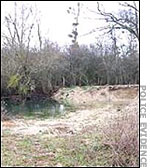
- He provided precise cartographic descriptions of his burial sites in the woods of Rouvray. Within days, forensic anthropologists discovered the skeletal remains of Jacqueline Weis and Madeleine Dejust, exhibiting shattered hyoid bones typical of lethal strangulation.
Although Louis retracted his admissions weeks later claiming coercion, forensic dental matches, physical evidence, and testimonies from living sexual assault survivors rendered his defense untenable.
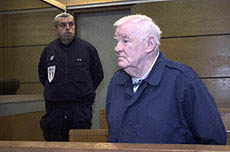
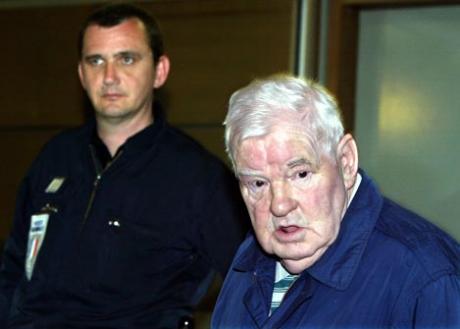
In November 2004, the Cour d'assises de l'Yonne convicted Émile Louis of seven counts of aggravated kidnapping, rape, and premeditated murder, imposing a sentence of criminal life imprisonment with an 18-year non-parole security period. The French Court of Cassation definitively upheld the conviction in 2006. Louis served his life term in Ensisheim Prison until terminal cardiovascular decline necessitated his transfer to the prison hospital wing in Nancy, where he died on October 20, 2013, concluding one of the darkest legal sagas in contemporary European criminology.