




Forensic & Criminological Matrix
| Parameter | Forensic Detail |
|---|---|
| Forensic Heading / Aliases | None |
| Legal Identity | Harry Kendall Thaw |
| Confirmed Victims | 1 |
| Attributed / Indicted Victims | 1 |
| Active Timeline | 1906 |
| Jurisdiction / Area of Operations | New York, USA |
| Criminological Classification | Pathological jealousy murderer |
| Forensic Modus Operandi | Public execution via firearm |
| Weapon / Mechanism of Death | Pistol (close-range shooting) |
| Motive / Behavioral Dynamics | Obsession, paranoia, and jealousy |
| Judicial Outcome | Not guilty by reason of insanity (1908) |
1. Background and Psychopathy
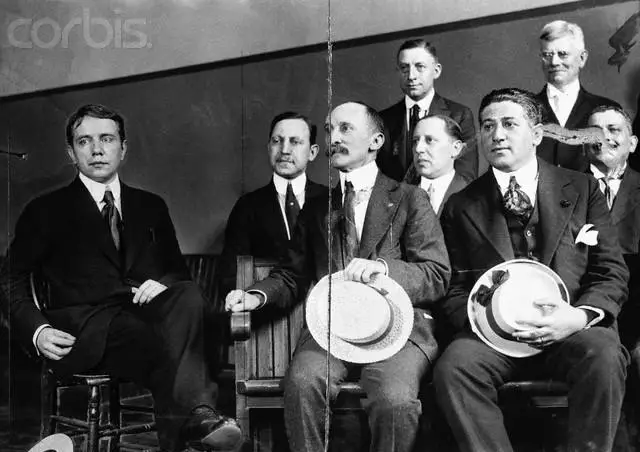
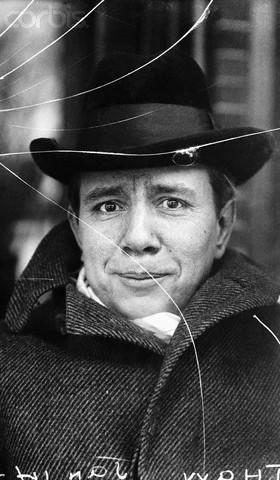
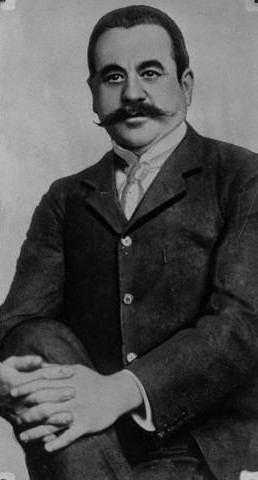
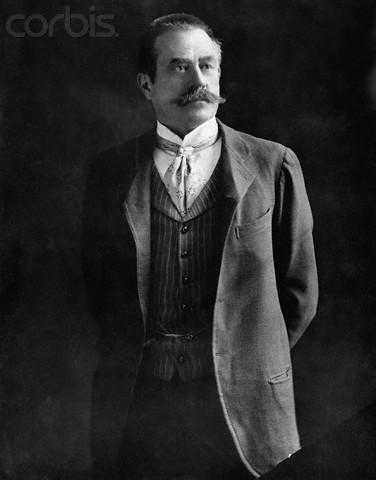
Harry Kendall Thaw (1871–1947) was the son of Pittsburgh coal and railroad baron William Thaw. From early childhood, he exhibited signs of severe paranoia and violent behavior. His academic career was marked by expulsions and erratic conduct, including a notable incident at Harvard where he chased a cab driver with a shotgun. His family's immense wealth consistently shielded him from the legal repercussions of his frequent outbursts.
2. Crime Spree
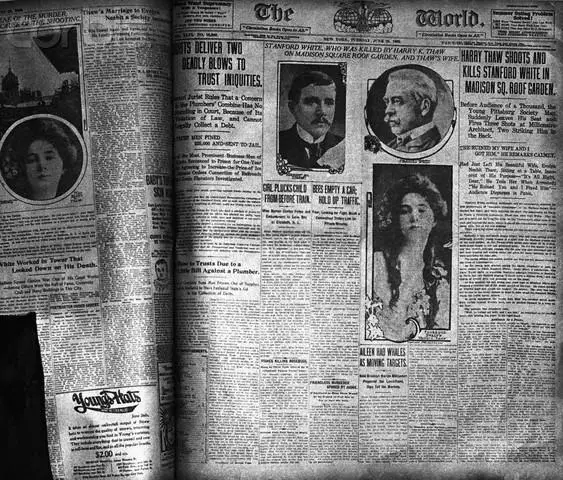
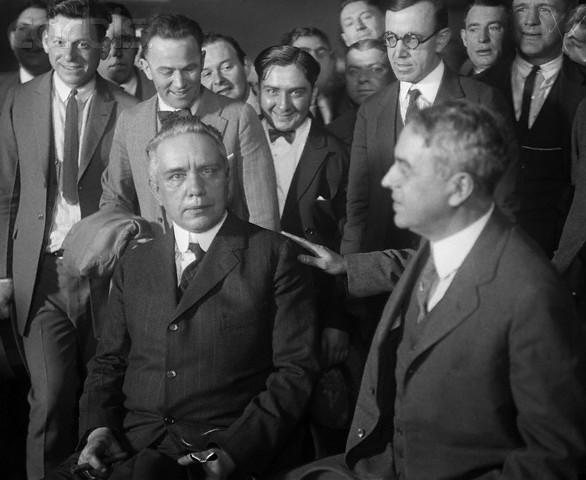
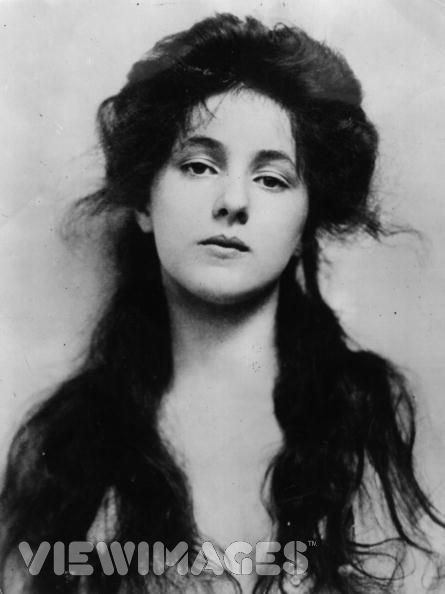
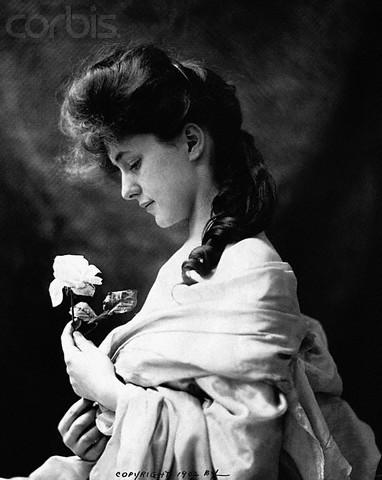
Thaw's obsession focused on his wife, Evelyn Nesbit, and her past relationship with prominent architect Stanford White. On June 25, 1906, at the rooftop theatre of Madison Square Garden, Thaw confronted White during a performance. He fired three shots into White's face, killing him instantly. Thaw claimed he had "saved" his wife from the "beast," justifying the murder as an act of vengeance.
3. Investigation and Arrest
Thaw was arrested on-site immediately following the shooting. The subsequent investigation and trial became a global media sensation. The defense team, led by high-profile attorneys, introduced the concept of "dementia Americana," a temporary insanity defense tailored to the social status and perceived moral outrage of the defendant.
4. Legal Proceedings and Outcome
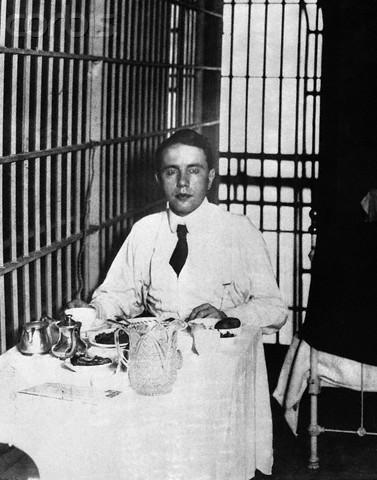
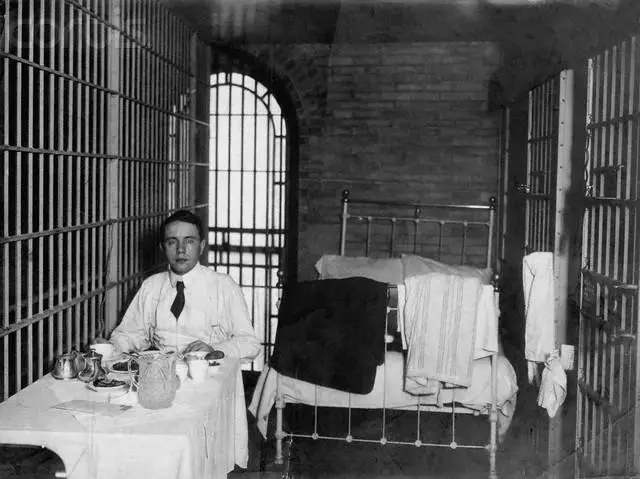
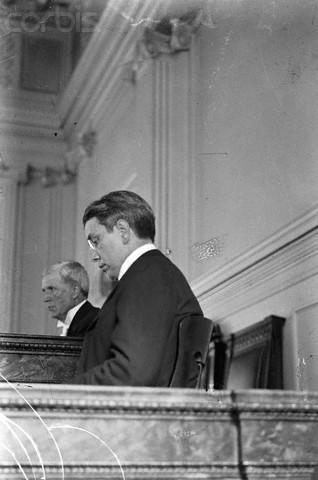
The first trial ended in a hung jury. A second trial in 1908 resulted in a verdict of not guilty by reason of insanity. Thaw was committed to the Matteawan State Hospital for the Criminally Insane. He enjoyed significant freedom within the facility and even escaped to Canada in 1913 before being extradited back to the U.S. He was declared sane in 1915.
5. Psychiatric Evaluation and Final Years
Post-release, Thaw's violent tendencies persisted; he was accused of kidnapping and whipping a teenager in 1917, leading to further institutionalization until 1924. He lived his final years in relative obscurity in Virginia and Florida, dying of a heart attack in 1947. His case remains a landmark in the history of the insanity defense in American law.