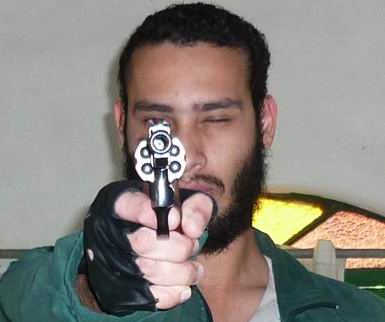
Forensic & Criminological Matrix
| Parameter | Forensic Detail |
|---|---|
| Forensic Heading / Aliases | N/A |
| Legal Identity | Basudev Thapa |
| Confirmed Victims | 11 |
| Attributed / Indicted Victims | 11 |
| Active Timeline | December 14, 2005 |
| Jurisdiction / Area of Operations | Chihandanda, Nagarkot, Nepal |
| Criminological Classification | Mass Murderer |
| Forensic Modus Operandi | Indiscriminate shooting with an L1A1 SLR assault rifle |
| Weapon / Mechanism of Death | L1A1 SLR assault rifle |
| Motive / Behavioral Dynamics | Personal revenge and alleged intoxication |
| Judicial Outcome | Deceased during the incident (suicide or killed by colleagues) |
1. Background and Profile
Basudev Thapa was a sergeant in the Royal Nepalese Army (RNA), stationed at the Nagarkot barracks. At 26 years old, he had a documented history of indiscipline and obstruction of duty. On December 14, 2005, he was off-duty.
2. Crime Spree
During the Mangsir Purnima festival at the Kali Devi temple, Thapa engaged in a dispute with youths from Pipalbot village, with whom he had a long-standing enmity. After being beaten, he attacked one with a knife and left, threatening to return. He went to the barracks, armed himself with an L1A1 SLR without following protocols, and returned to the temple at 11:30 p.m., firing over 200 rounds into the crowd.
3. Investigation and Forensic Hunt
The crime scene was compromised by the RNA the following day, with evidence destroyed. While the official report claimed suicide, forensic evidence and witness accounts suggested he was shot by fellow soldiers, as a chest wound was inconsistent with self-infliction.
4. Legal Proceedings and Outcome
No trial occurred as the perpetrator died at the scene. A judicial commission released a report on January 3, 2006, confirming the death toll of 11 and recommending compensation for the victims' families.
5. Psychiatric Assessment and Conclusion
The official investigation noted Thapa's history of indiscipline and the failure of his commanding officer to maintain order, characterizing the event as a failure of military oversight.