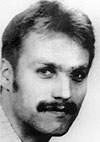
Forensic & Criminological Matrix
| Parameter | Forensic Detail |
|---|---|
| Forensic Heading / Aliases | The Mad Carpenter of Rügen |
| Legal Identity | Ludwig Tessnow |
| Confirmed Victims | 4 |
| Attributed / Indicted Victims | 4 |
| Active Timeline | 1898 - 1901 |
| Jurisdiction / Area of Operations | Lechtingen and Rügen, Germany |
| Criminological Classification | Serial Killer |
| Forensic Modus Operandi | Abduction, stabbing, evisceration, and dismemberment |
| Weapon / Mechanism of Death | Knife and blunt objects |
| Motive / Behavioral Dynamics | Sadistic pathology and mutilation compulsion |
| Judicial Outcome | Convicted and executed in 1904 |
1. Background and Profile
Ludwig Tessnow, born in 1872, was a carpenter from Baabe, Germany. He was known as a reclusive individual, a trait that initially shielded him from intense police scrutiny despite his presence near crime scenes.
2. Criminal Career and Modus Operandi
His first known crimes occurred in 1898 in Lechtingen, involving the murder and dismemberment of two young girls. In 1901, on the island of Rügen, he murdered two brothers, Hermann and Peter Stubbe. The victims were found eviscerated and dismembered. Tessnow consistently claimed that bloodstains on his clothing were wood dyes related to his carpentry work.
3. Investigation and Arrest
Magistrate Johann Schmidt suspected Tessnow and linked the Rügen murders to the 1898 case. The breakthrough came when biologist Paul Uhlenhuth applied his newly developed precipitin test to Tessnow's clothing, confirming the presence of human and sheep blood, effectively debunking the wood dye defense.
4. Legal Proceedings and Outcome
Following the forensic evidence, Tessnow was charged and convicted. His case is cited as a turning point in forensic science, as it was one of the first instances where serological evidence was successfully used in a court of law to secure a conviction.
5. Psychiatric Assessment and Conclusion
His compulsive ripping apart of corpses drew comparisons to historical accounts of 'werewolves.' Tessnow was executed by beheading in the courtyard of Greifswald prison in 1904.