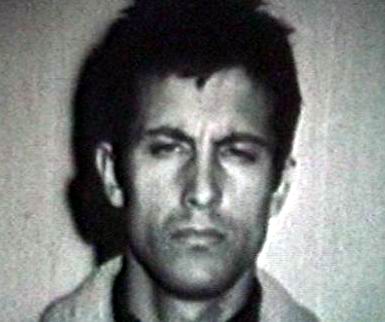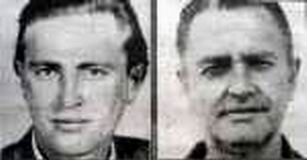
Forensic & Criminological Matrix
| Parameter | Forensic Detail |
|---|---|
| Forensic Heading / Aliases | The Butcher of Iași |
| Legal Identity | Vasile Tcaciuc |
| Confirmed Victims | 6 |
| Attributed / Indicted Victims | 26 |
| Active Timeline | 1930 - 1935 |
| Jurisdiction / Area of Operations | Iași, Romania |
| Criminological Classification | Serial Killer |
| Forensic Modus Operandi | Luring victims to isolated areas with female accomplices |
| Weapon / Mechanism of Death | Unspecified (physical assault) |
| Motive / Behavioral Dynamics | Robbery and psychopathic behavior |
| Judicial Outcome | Deceased during police reconstruction |
1. Background and Profile
Vasile Tcaciuc, a native of Bessarabia, settled in the Romanian city of Iași during the early 1930s. Described by contemporary press and later historical research as a career criminal, Tcaciuc was primarily involved in robbery and theft. His psychological profile, as suggested by historical reports, indicated a profound lack of empathy and a tendency to manipulate those around him, particularly the women he lived with, to facilitate his criminal activities.
2. Criminal Career and Modus Operandi
Tcaciuc's modus operandi involved luring men to wooded areas or isolated properties he owned or controlled. In these operations, he utilized his romantic partners as decoys. Following the ambush, the victims were murdered and their bodies concealed, either buried in the forest or beneath the floors of isolated houses. While he was attributed with up to 26 murders, authorities confirmed 6 bodies in 1935.
3. Investigation and Arrest
Tcaciuc's downfall occurred in 1935 following the sale of a property in Iași, a move that allowed authorities to trace a series of disappearances back to him. The discovery of six corpses in various rural locations linked to him initiated an exhaustive investigation that revealed a criminal trajectory spanning at least five years.
4. Legal Proceedings and Outcome
Following his arrest, Tcaciuc confessed to a series of crimes far exceeding the initial evidence. However, he never stood trial. During a police reconstruction of one of the murders, Tcaciuc attempted to flee, at which point he was shot and killed by a police officer, effectively ending any possibility of a formal judicial process.
5. Psychiatric Assessment and Conclusion
Contemporary judicial and journalistic accounts, such as those in Adevărul and Evenimentul Istoric, highlight the influence Tcaciuc exerted over his partners and his ability to justify his actions through manipulation. His premature death prevented a deep forensic psychiatric analysis, leaving the case as one of the most notorious in 20th-century Romanian criminology.