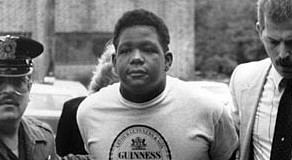
Forensic & Criminological Matrix
| Parameter | Forensic Detail |
|---|---|
| Forensic Heading / Aliases | N/A |
| Legal Identity | Michael A. Taylor |
| Confirmed Victims | 2 |
| Attributed / Indicted Victims | 2 |
| Active Timeline | 1995 - 1999 |
| Jurisdiction / Area of Operations | St. Louis County and Potosi, Missouri |
| Criminological Classification | Serial Killer (Juvenile and Prison) |
| Forensic Modus Operandi | Manual strangulation, sexual assault, and disfigurement |
| Weapon / Mechanism of Death | Strangulation (neck compression) |
| Motive / Behavioral Dynamics | Command hallucinations and sexual sadism |
| Judicial Outcome | Life imprisonment (1998) and Death sentence (2003) |
1. Background and Profile
Michael A. Taylor was born on March 13, 1979. He exhibited severe behavioral disorders from a young age. Despite his history, he was placed in regular school settings under 'full inclusion' policies, which allowed him to access victims without proper monitoring of his violent history.
2. Crime Spree
On January 24, 1995, at age 15, Taylor raped and murdered Christine Smetzer in a restroom at McCluer North High School. After being sentenced to life, he was incarcerated at Potosi Correctional Center. On October 3, 1999, he strangled his cellmate, Shackrein Thomas, for 10 to 20 minutes, causing severe injuries including eye disfigurement and bite marks.
3. Investigation and Arrest
In the Thomas case, Taylor summoned guards after the murder, claiming his 'father from the dark side' ordered him to kill the victim. Forensic evidence, including DNA on the victim's clothing and Taylor's detailed confession, led to his conviction.
4. Legal Proceedings and Outcome
Taylor was tried for Thomas's murder in 2003. His defense argued mental disease, but the jury rejected the insanity plea and recommended the death penalty. The Missouri Supreme Court affirmed the sentence in 2004, dismissing appeals regarding jury instructions and mental competency.
5. Psychiatric Evaluation and Conclusion
Psychiatric experts evaluated Taylor, noting traits of paranoid schizophrenia and borderline intellectual functioning. The court ultimately ruled that he did not meet the legal criteria for intellectual disability that would preclude the death penalty.