



Forensic & Criminological Matrix
| Parameter | Forensic Detail |
|---|---|
| Forensic Heading / Aliases | None |
| Legal Identity | William Tager |
| Confirmed Victims | 1 |
| Attributed / Indicted Victims | 1 |
| Active Timeline | 1986 - 1994 |
| Jurisdiction / Area of Operations | New York, USA |
| Criminological Classification | Mentally ill offender |
| Forensic Modus Operandi | Physical assault and firearm usage in media environments |
| Weapon / Mechanism of Death | Firearm |
| Motive / Behavioral Dynamics | Paranoid delusions and persecutory psychosis |
| Judicial Outcome | 15 to 25-year sentence; paroled in 2010 |
1. Background and Profile
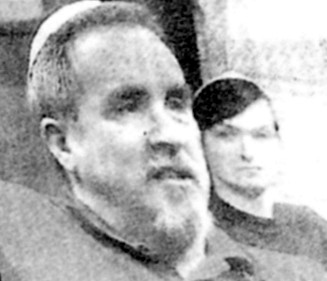
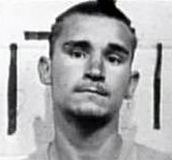
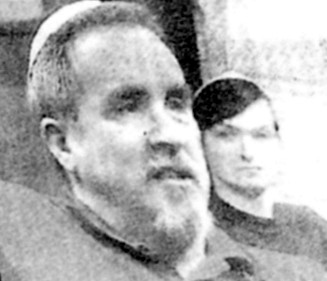
William Tager, born November 9, 1947, in Charlotte, North Carolina, is an individual whose criminal history was defined by severe persecutory psychosis. Tager harbored the delusional belief that television networks were monitoring him and beaming messages directly into his head, which led him to target media figures and technical staff within the television industry.
2. Criminal Career and Modus Operandi
His criminal activity first gained public attention on October 4, 1986, when he assaulted news anchor Dan Rather on Park Avenue in New York City. During the attack, Tager and an unidentified accomplice repeatedly shouted, "Kenneth, what is the frequency?" This incident later inspired the R.E.M. song of the same name. On August 31, 1994, Tager escalated his violence by attempting to force his way into the NBC Today show studios while armed. He shot and killed Campbell Theron Montgomery, a 33-year-old technician who died while attempting to prevent Tager from entering the studio.
3. Investigation and Arrest
Following the shooting of Montgomery, Tager was apprehended by police at the scene. During subsequent interrogations, Tager admitted to his delusional motives. Forensic examinations conducted by Dr. Welner and Dr. Dietz were instrumental in linking Tager to the 1986 assault on Dan Rather. By eliciting admissions known only to the perpetrator and reviewing the crime scene, experts confirmed Tager's involvement, which was further corroborated by Rather's identification.
4. Legal Proceedings and Outcome
William Tager was charged with first-degree murder. On November 29, 1996, he was sentenced to 15 to 25 years in prison. He served his time at Sing Sing Correctional Facility. Although his parole was denied in 2007, he was eventually released on parole in October 2010.
5. Psychiatric Evaluation and Conclusion
Tager's case is a clear example of a crime driven by severe mental illness. His inability to differentiate reality from his delusions resulted in the tragic death of an innocent technician. Following his release, the case remains a significant study in the intersection of mental health, celebrity security, and media-related violence.