Forensic & Criminological Matrix
| Parameter | Forensic Detail |
|---|---|
| Forensic Heading / Aliases | None |
| Legal Identity | Curtis Giovanni Flowers |
| Confirmed Victims | 0 (Exonerated) |
| Attributed / Indicted Victims | 4 |
| Active Timeline | July 16, 1996 |
| Jurisdiction / Area of Operations | Winona, Mississippi |
| Criminological Classification | Mass Murder (Judicial Case) |
| Forensic Modus Operandi | Firearm execution in a commercial setting |
| Weapon / Mechanism of Death | .380 caliber firearm |
| Motive / Behavioral Dynamics | Alleged workplace grievance |
| Judicial Outcome | Charges dismissed after 23 years and 6 trials |
1. Background and Profile
Curtis Giovanni Flowers was born in 1970 in Winona, Mississippi. He was a former employee of Tardy Furniture, a local business. His termination from the store became the cornerstone of the prosecution's theory, which posited that Flowers sought revenge against the owner, Bertha Tardy.
2. Crime Spree
On July 16, 1996, four individuals were discovered deceased at Tardy Furniture: Bertha Tardy, Carmen Rigby, Robert Golden, and Bobo Stewart. All victims sustained fatal gunshot wounds. The crime scene lacked signs of robbery, leading investigators to focus on personal vendettas.
3. Investigation and Arrest
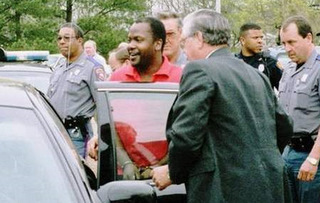
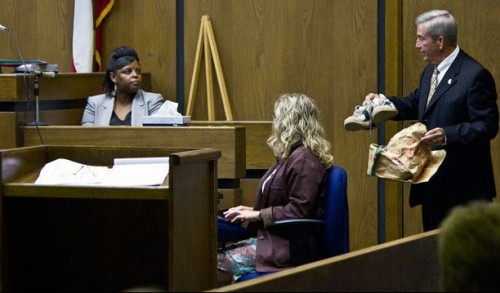
Led by District Attorney Doug Evans, the investigation relied heavily on witness testimony rather than physical forensic evidence. Over the years, the reliability of these witnesses was heavily scrutinized, with allegations surfacing that many had been coerced or incentivized to provide false statements.
4. Legal Proceedings and Outcome
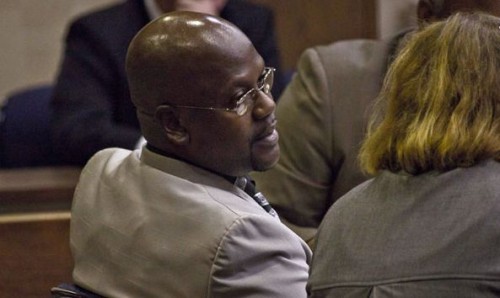
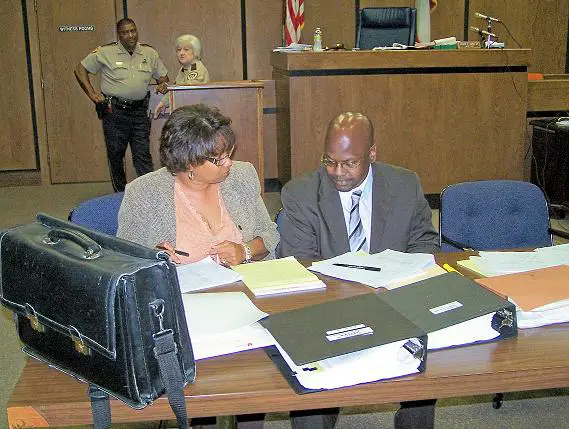
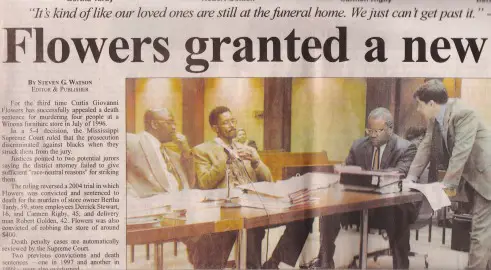
Flowers underwent six separate trials for the same murders. His convictions were repeatedly overturned due to prosecutorial misconduct and the unconstitutional exclusion of Black jurors. In 2019, the U.S. Supreme Court ruled in Flowers v. Mississippi that the prosecution had engaged in racial discrimination during jury selection. Following this ruling, the state declined to pursue a seventh trial, and Flowers was released in 2019, with all charges eventually dropped in 2020.