



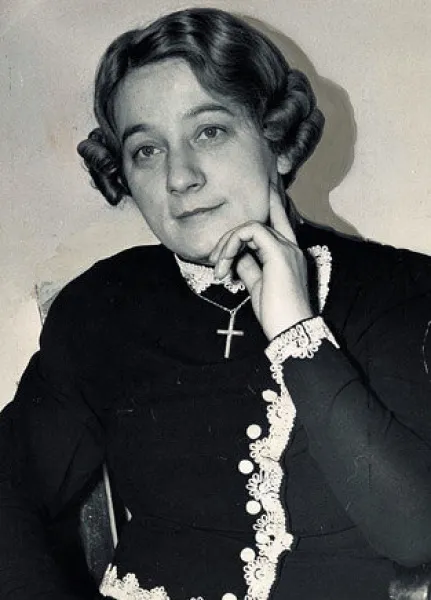
Forensic & Criminological Matrix
| Parameter | Forensic Detail |
|---|---|
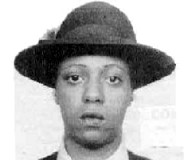
| Forensic Heading / Aliases | Corrine Sykes |
| Legal Identity | Corrine Sykes |
| Confirmed Victims | 1 (Freda Wodlinger) |
| Active Timeline | December 7, 1944 |
| Jurisdiction / Area of Operations | West Oak Lane, Philadelphia, Pennsylvania, USA |
| Criminological Classification | Homicide during robbery / Controversial judicial execution |
| Forensic Modus Operandi | Armed assault inside a private residence during domestic service or robbery |
| Weapon / Mechanism of Death | Heavy kitchen knife (severe stab and incised wounds) |
| Motive / Behavioral Dynamics | Financial gain / Robbery (with subsequent allegations of coercion and due process failures) |
| Judicial Outcome | Sentenced to death by electrocution. Executed on December 7, 1946, at the State Correctional Institution |
1. Background and Profile
Corrine Sykes was a 20-year-old African American woman described as shy and petite, originally from North Philadelphia. She worked sporadically as a domestic maid for affluent families in residential neighborhoods such as West Oak Lane. Living during an era marked by intense racial tensions and socioeconomic disparity, Sykes existed on the economic margins of the city. While she had minor local notoriety for shoplifting, she possessed no history of violent criminal behavior prior to the incident.
2. Crime Spree and Modus Operandi
On December 7, 1944, Freda Wodlinger, a housewife from a prominent white family, was found brutally murdered inside her West Oak Lane residence. Crime scene reports indicated that the victim suffered multiple severe wounds inflicted by a heavy kitchen knife during an apparent struggle to protect her jewelry and cash from an intruder. Corrine Sykes had previously been hired by Mrs. Wodlinger to perform domestic chores, instantly making her a primary suspect for law enforcement.
3. Investigation and Arrest
The investigation quickly focused on Sykes due to her employment relationship and minority status. During police interrogations, Sykes signed a confession. However, later investigators and documentary filmmakers, such as Tina Morton in her work Severed Souls, highlighted severe procedural and educational barriers, noting that Sykes was illiterate and incapable of fully comprehending the legal ramifications of the document she allegedly endorsed. Furthermore, locals questioned how the physically fragile young woman could inflict such deep and violent knife wounds.
4. Legal Proceedings and Outcome
Despite concerns regarding the validity of the confession and the scarcity of definitive physical evidence tying her to the brutal attack, the judicial proceedings moved swiftly. Her defense counsel was unable to overcome the prevailing social pressures of the era. The court found her guilty of first-degree murder committed during the course of a robbery, resulting in a mandatory death sentence.
5. Psychiatric Assessment and Aftermath
On December 7, 1946—exactly two years to the day after the murder—Corrine Sykes was executed via the electric chair without incident, becoming the first African American woman executed in the state of Pennsylvania. Decades later, the case remains a focal point for discussions on historical miscarriages of justice, racial bias in capital punishment, and unanswered questions regarding potential alternative perpetrators.