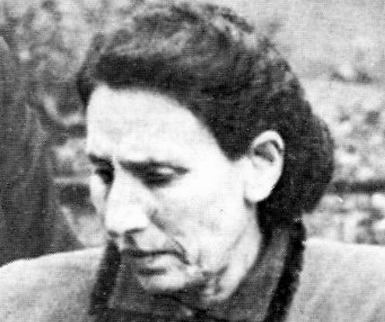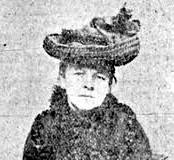
Forensic & Criminological Matrix
| Parameter | Forensic Detail |
|---|---|
| Forensic Heading / Aliases | Emily Swann |
| Legal Identity | Emily Swann |
| Confirmed Victims | 1 (William Swann) |
| Active Timeline | 1903 |
| Jurisdiction / Area of Operations | Dukinfield, United Kingdom |
| Criminological Classification | Conjugal homicide / Conspiracy |
| Forensic Modus Operandi | Poison administration combined with physical assault |
| Weapon / Mechanism of Death | Poison and mechanical asphyxiation |
| Motive / Behavioral Dynamics | Marital conflict and illicit affair |
| Judicial Outcome | Capital punishment via hanging (1903) |
1. Background and Psychopathy
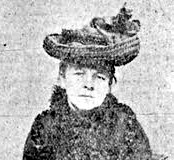
Emily Swann lived during the Victorian era in northern England. Her domestic life was characterized by severe marital discord with her husband, William Swann. This friction culminated in an extramarital affair with John Gallagher, laying the psychological and interpersonal groundwork for a conspiracy to eliminate the husband.
2. Crime Spree
In 1903, Emily Swann and her accomplice John Gallagher orchestrated and executed the murder of William Swann. The modus operandi involved the surreptitious administration of poison coupled with direct physical violence to ensure asphyxiation and death within the domestic residence.
3. Investigation and Arrest
Local authorities and forensic examiners flagged anomalies in the initial reports surrounding William Swann's death. Post-mortem examinations uncovered definitive signs of poisoning and physical trauma, leading investigators directly to Emily Swann and John Gallagher as the primary suspects.
4. Legal Proceedings and Outcome
Following a thorough judicial process and the presentation of incriminating forensic evidence, both defendants were found guilty of premeditated murder. Emily Swann was sentenced to death by hanging and was executed in late 1903 alongside her co-conspirator.