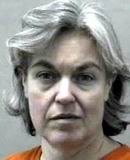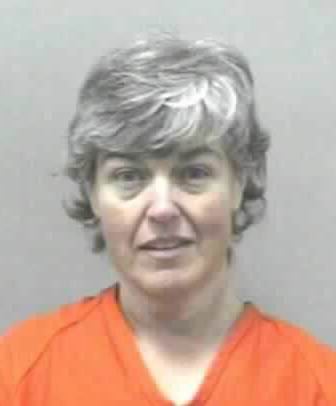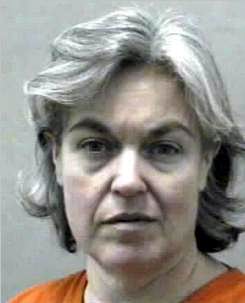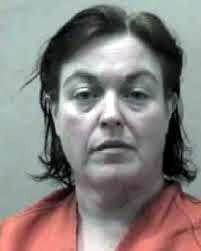




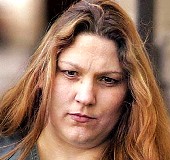
Forensic & Criminological Matrix
| Parameter | Forensic Detail |
|---|---|
| Forensic Heading / Aliases | Julia Surbaugh |
| Legal Identity | Julia Ann Surbaugh |
| Confirmed Victims | 1 (Michael Surbaugh) |
| Active Timeline | August 6, 2009 |
| Jurisdiction / Area of Operations | Webster County, West Virginia, United States |
| Criminological Classification | Spousal homicide / Domestic parricide |
| Forensic Modus Operandi | Close-range firearm discharge targeting the head, followed by multiple deceptive 911 calls attempting to frame the crime as a suicide. |
| Weapon / Mechanism of Death | Firearm |
| Motive / Behavioral Dynamics | Marital breakdown, victim's intention to leave, and financial incentives (life insurance and retirement benefits) |
| Judicial Outcome | Initially sentenced to life without mercy in 2010; conviction reversed by the WV Supreme Court in 2012 due to instructional error; retried and re-convicted of first-degree murder in March 2014. |
1. Background and Profile
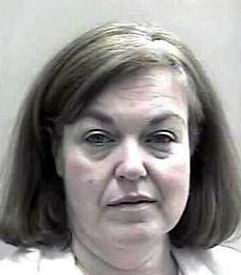
Julia Ann Surbaugh resided in Webster County, West Virginia. Her relationship with her husband, Michael Surbaugh, was strained due to domestic conflict and the victim's expressed intention to terminate the marriage to pursue a relationship with a coworker. State prosecutors highlighted secondary financial motives, including insurance policies and retirement funds.
2. Crime Spree
On the morning of August 6, 2009, Michael Surbaugh was shot three times in the head inside the marital home. Immediately following the shooting, Julia Surbaugh placed a series of calls to 911 dispatchers, consistently claiming that her husband had attempted suicide. Despite the severe craniofacial trauma, the victim remained ambulatory and coherent, exiting the residence and explicitly informing neighbors, paramedics, and medical staff that his wife had shot him.
3. Investigation and Arrest
Law enforcement and forensic investigators leveraged the profound contradictions between the suspect's shifting statements and the dying declarations made by the victim. Statements documented by responding officers and medical personnel—including paramedic Dan Moran and nurse Sara Wolverton—established that Michael Surbaugh possessed complete cognitive orientation and clearly accused his wife. In January 2010, a Webster County grand jury formally indicted Julia Surbaugh for first-degree murder.
4. Legal Proceedings and Outcome
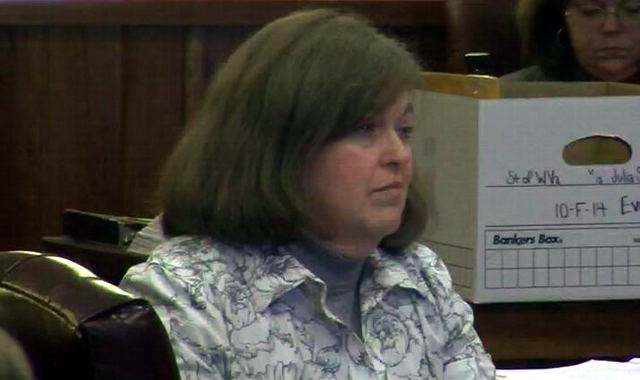
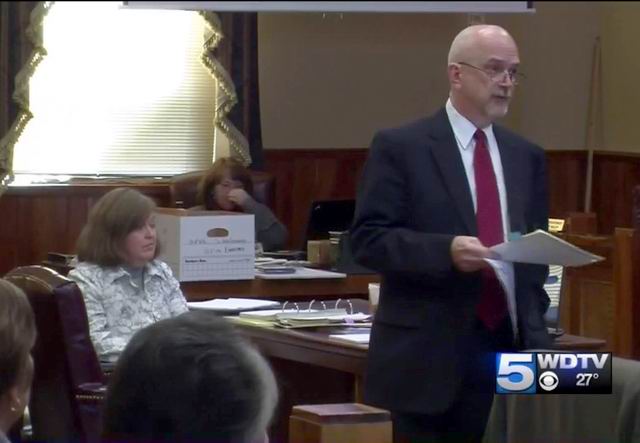
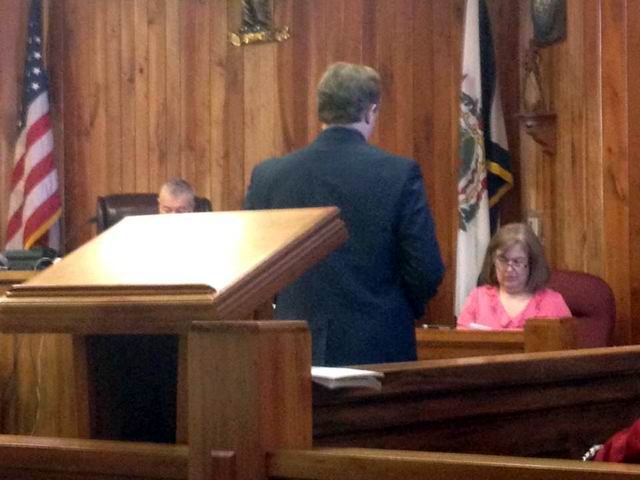
Surbaugh's initial trial in May 2010 resulted in a first-degree murder conviction carrying a sentence of life imprisonment without mercy. On appeal, the West Virginia Supreme Court of Appeals reversed the conviction in November 2012, citing instructional errors regarding the admission of good character evidence, and remanded the case for a new trial. Following judicial proceedings presided over by Judge Richard A. Facemire, a new jury found Surbaugh guilty once again of first-degree murder in March 2014.
5. Psychiatric Assessment and Aftermath
The defense centered on claims of self-defense and battered spouse arguments, contrasted against the prosecution's evidence of premeditation and financial gain. The case remains a significant precedent in West Virginia jurisprudence regarding evidentiary standards for victim statements and jury instruction mandates.