



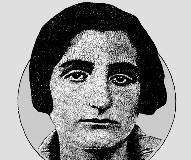
Forensic & Criminological Matrix
| Parameter | Forensic Detail |
|---|---|
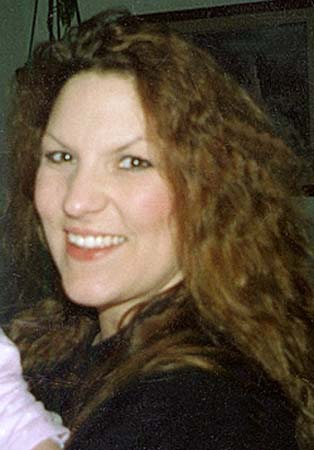
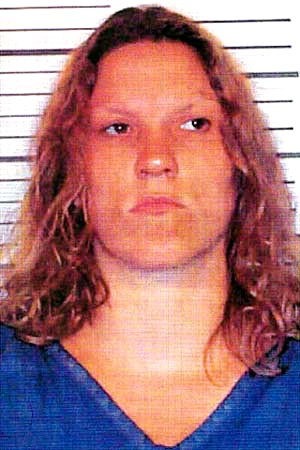
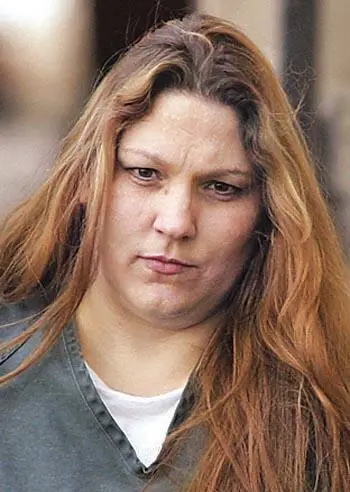
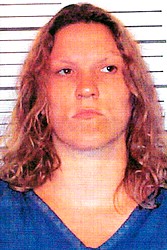
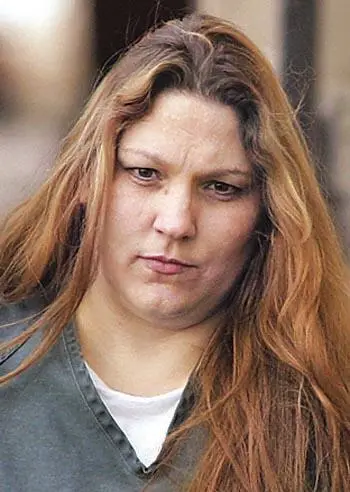
| Forensic Heading / Aliases | Angela Jane Johnson |
| Legal Identity | Angela Jane Johnson |
| Confirmed Victims | 5 (Greg Nicholson, Lori Ann Duncan, Kandace Duncan, Amber Duncan, Terry DeGeus) |
| Active Timeline | 1993 |
| Jurisdiction / Area of Operations | Cerro Gordo County, Iowa, United States |
| Criminological Classification | Mass murderer / Accomplice to federal homicide |
| Forensic Modus Operandi | Use of ruses and false pretenses to gain entry into victims' residences, confinement, kidnapping, and assisting the primary offender in executing victims in remote locations. |
| Weapon / Mechanism of Death | Firearms (wielded by primary offender Dustin Honken) and mechanical restraint (bindings/gags) |
| Motive / Behavioral Dynamics | Elimination of key federal drug informants to obstruct a methamphetamine investigation |
| Judicial Outcome | Convicted in 2005; initial federal death sentence vacated in 2012 due to ineffective assistance of counsel, resulting in life imprisonment without parole or resentencing. |
1. Background and Psychopathy
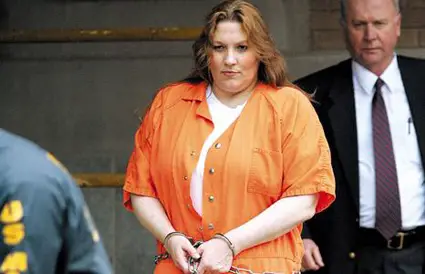
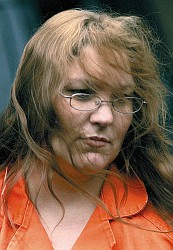
Angela Jane Johnson was born in 1964 in the United States. Prior to her involvement in the murders, she was romantically involved with Dustin Honken, a regional methamphetamine distributor in Iowa. Johnson had a child from a previous relationship and was pregnant with Honken's child at the time of the killings. Her behavioral dynamic reflects that of an active facilitator within a criminal enterprise, exhibiting strong loyalty and subservience to her partner while executing critical logistical tasks required for the conspiracy.
2. Crime Spree
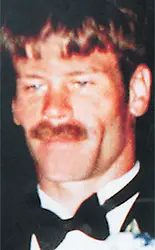
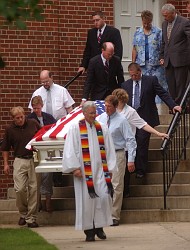
Between July and November 1993, Johnson participated in a conspiracy to eliminate five individuals scheduled to testify against Dustin Honken in a federal drug probe. Johnson's modus operandi involved utilizing ruses—such as posing as a lost salesperson needing a phonebook—to trick her way into the victims' homes, allowing Honken entry. The victims included federal informant Greg Nicholson, his girlfriend Lori Ann Duncan, her two young daughters Kandace (10) and Amber (6), and Terry DeGeus, who was lured by Johnson to a local country club before being transported to a remote farm where Honken awaited with a firearm.
3. Investigation and Arrest
The disappearance of the victims and their connection to Honken's drug ring triggered an intensive federal and local investigation. Forensic evidence, witness statements, and coordinated police work linked Johnson to the conspiracy, establishing her active involvement in procuring the murder weapon, hunting the targets, and deploying strategic deceptions to isolate the victims.
4. Legal Proceedings and Outcome
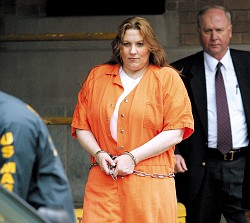
Johnson was prosecuted in federal court. In 2005, a federal jury found her guilty on multiple counts of murder in connection with a continuing criminal enterprise. Although Honken was the triggerman, the jury handed down death sentences for Johnson, making her the first woman sentenced to death by a U.S. federal jury since the 1950s. On March 23, 2012, U.S. District Judge Mark W. Bennett vacated her death sentence, citing systemic failures and ineffective assistance by her defense counsel regarding her mental state, effectively shifting her sentence status toward life imprisonment without parole.
5. Psychiatric Evaluation and Final Disposition
Forensic evaluations highlighted Johnson's complex psychological compliance and active participation in the murders. While legal challenges successfully dismantled her death sentences due to defense shortcomings, her convictions for orchestrating and assisting in the mass homicide remained legally intact within the United States federal prison system.