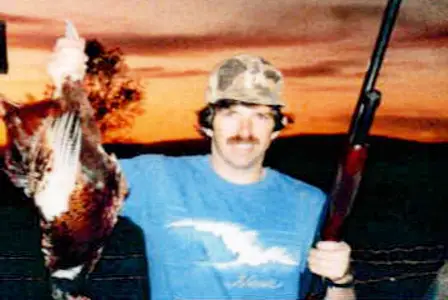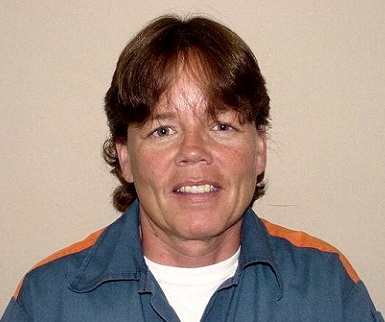





Forensic & Criminological Matrix
| Parameter | Forensic Detail |
|---|---|
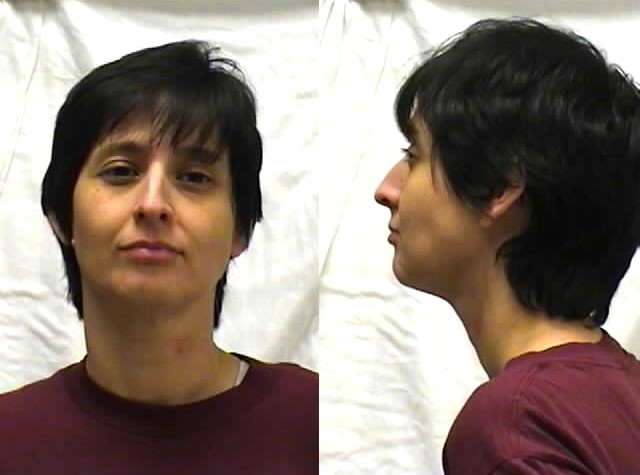
| Forensic Heading / Aliases | Anne Stout / Anne Marie Stout |
| Legal Identity | Anne Marie Stout |
| Confirmed Victims | 1 (Bill Stout, husband) |
| Active Timeline | June 10, 2007 |
| Jurisdiction / Area of Operations | Darby, Ravalli County, Montana, United States |
| Criminological Classification | Premeditated spousal homicide / Domestic assassin |
| Forensic Modus Operandi | Execution-style shooting of the sleeping victim using his own firearm; concealment of the weapon in a motorcycle saddlebag; physical evidence manipulation (latex glove with gunshot residue and offender DNA). |
| Weapon / Mechanism of Death | 9mm Beretta semi-automatic pistol / Close-range gunshot wound to the head |
| Motive / Behavioral Dynamics | Resentment over marital infidelity, psychological retribution, and financial gain (life insurance policy worth $500,000) |
| Judicial Outcome | Convicted of deliberate homicide in 2008; sentenced to life imprisonment by Ravalli County District Judge Jeffrey Langton; conviction and sentence affirmed by the Montana Supreme Court in 2010. |
1. Background and Profile
Anne Marie Stout was born in California and raised in a large household, experiencing an estranged relationship with her biological father from the age of four. In the mid-1980s, she married Bill Stout, and the couple raised a family together. The domestic unit remained relatively stable until the year 2000, when their eldest child died by suicide—a profound trauma that fractured the marital relationship as Bill blamed Anne for the tragedy. In 2005, the discovery of a brief extramarital affair by Bill triggered severe behavioral changes in Anne, characterized by obsessive fixation, detachment from reality, and an elaborate campaign of psychological retaliation.
2. Crime Spree and Modus Operandi
Following the revelation of her husband's infidelity, Anne Stout initiated an extensive campaign of harassment, generating fictitious email accounts and tormenting family members and acquaintances while pretending to be targeted by the other woman. Far from a crime of sudden passion, the murder was meticulously planned over months. Investigators later recovered 56 internet search queries on her computer regarding methods to commit murder and evade detection. On May 31, 2007, Bill Stout reported his 9mm Beretta pistol stolen. On June 10, 2007, after sharing an ordinary evening, Anne waited for her husband to fall asleep, retrieved the firearm, and shot him in the head. She subsequently hid the weapon in a motorcycle saddlebag in the garage and maintained a calm facade.
3. Investigation and Arrest
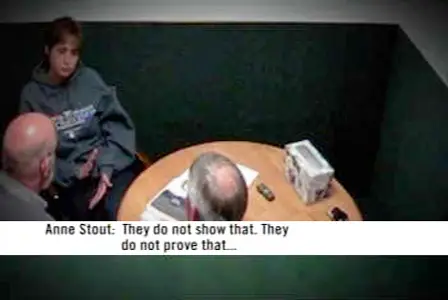
Law enforcement mounted a rigorous forensic investigation that dismantled Stout's alibi. Digital forensics revealed extensive searches regarding poisoning and murder execution. In the household laundry area, investigators uncovered a latex glove bearing external gunshot residue and internal DNA matching Anne Stout, alongside a handwritten note detailing instructions on how to operate the exact model of firearm used in the crime. The stolen Beretta was recovered wrapped in a towel inside a motorcycle saddlebag. Confronted with overwhelming circumstantial and physical evidence, authorities arrested and charged Stout with deliberate homicide.
4. Legal Proceedings and Outcome
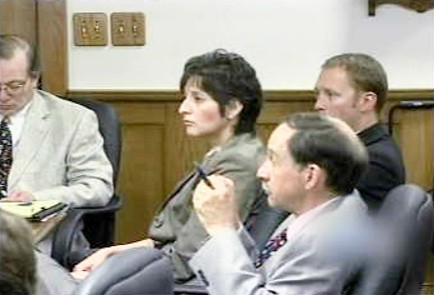
Anne Stout stood trial before a Ravalli County jury in June 2008, presided over by District Judge Jeffrey Langton. The three-week trial featured testimony from over 60 witnesses. The jury deliberated for less than six hours before returning a guilty verdict on deliberate homicide. In September 2008, Judge Langton sentenced Stout to life imprisonment, emphasizing her lack of remorse and profound inability to accept reality. In July 2010, the Montana Supreme Court upheld the conviction and trial procedures, cementing the judicial resolution of the case.
5. Psychiatric Evaluation and Aftermath
During sentencing hearings, psychological assessments underscored Stout's severe detachment from accountability and her deep-seated vindictive behavioral patterns. Judge Langton permitted the possibility of parole only upon rigorous psychological evaluation and mental health rehabilitation. The case remains a significant forensic study in domestic homicide investigation, illustrating the intersection of premeditation, psychological torment, and digital forensics in solving intimate partner murders.