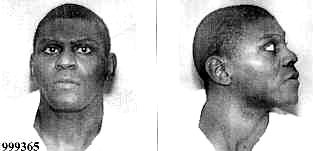
Forensic & Criminological Matrix
| Parameter | Forensic Detail |
|---|---|
| Forensic Heading / Aliases | N/A |
| Legal Identity | Exzavier Lamont Stevenson |
| Confirmed Victims | 2 |
| Attributed / Indicted Victims | 2 |
| Active Timeline | February 16, 2000 |
| Jurisdiction / Area of Operations | Houston, Texas, USA |
| Criminological Classification | Multiple murderer (convenience store shooting) |
| Forensic Modus Operandi | Verbal confrontation followed by firearm execution |
| Weapon / Mechanism of Death | Firearm (handgun) |
| Motive / Behavioral Dynamics | Dispute over 10 cents / Alleged mental disorder |
| Judicial Outcome | Death sentence (2000) |
1. Background and Profile
Exzavier Lamont Stevenson was born on June 6, 1968. His criminal history prior to the murders included convictions for assault, terroristic threats, and evading arrest. During the trial, the defense argued that Stevenson suffered from a low IQ (68) and a history of childhood trauma, including physical abuse and self-mutilation. However, court-appointed psychologists determined he was competent to stand trial and understood the nature of his actions.
2. Crime Spree
On February 16, 2000, Stevenson engaged in a dispute with two clerks, Khalid Masroor and Syed Mehdi, at a Houston gas station convenience store over a 10-cent change discrepancy. After leaving the store, he returned armed with a handgun and shot both clerks to death before attempting to rob the register.
3. Investigation and Arrest
The investigation relied on eyewitness testimony and the clear sequence of events leading to the shooting. Stevenson was apprehended shortly after the incident. Forensic experts testified regarding his mental state, ultimately concluding that his personality and choices were the primary drivers of his actions rather than a severe mental illness.
4. Legal Proceedings and Outcome
Stevenson pleaded guilty to capital murder. The jury found him to be a future danger to society and sentenced him to death on September 16, 2000. The Texas Court of Criminal Appeals affirmed the conviction and sentence in 2002, ruling that the evidence did not support a finding of mental retardation that would bar execution under the Eighth Amendment.