



Forensic & Criminological Matrix
| Parameter | Forensic Detail |
|---|---|
| Forensic Heading / Aliases | null |
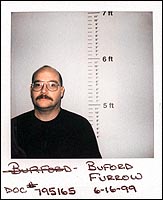
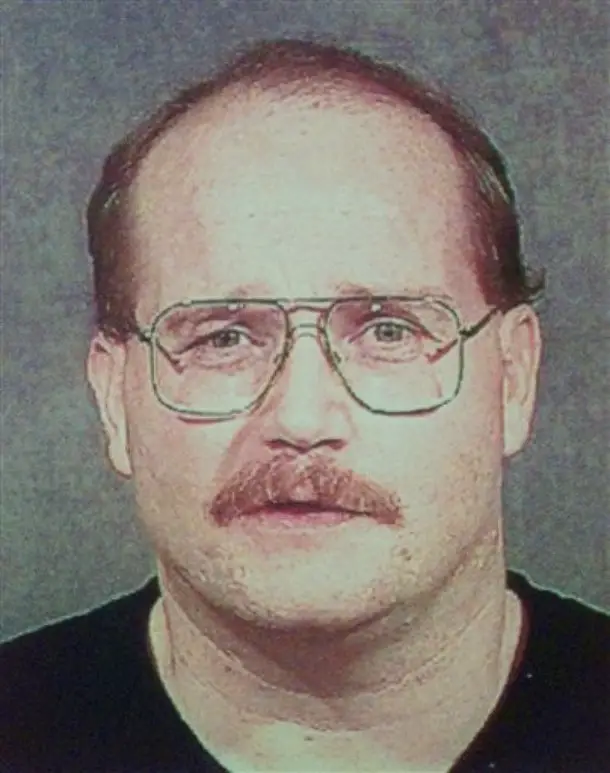
| Legal Identity | Buford O'Neal Furrow Jr. |
| Confirmed Victims | 1 |
| Attributed / Indicted Victims | 1 |
| Active Timeline | August 10, 1999 |
| Jurisdiction / Area of Operations | Granada Hills, Los Angeles, California |
| Criminological Classification | Hate crime perpetrator / Domestic terrorist |
| Forensic Modus Operandi | Armed assault on public facility followed by targeted homicide |
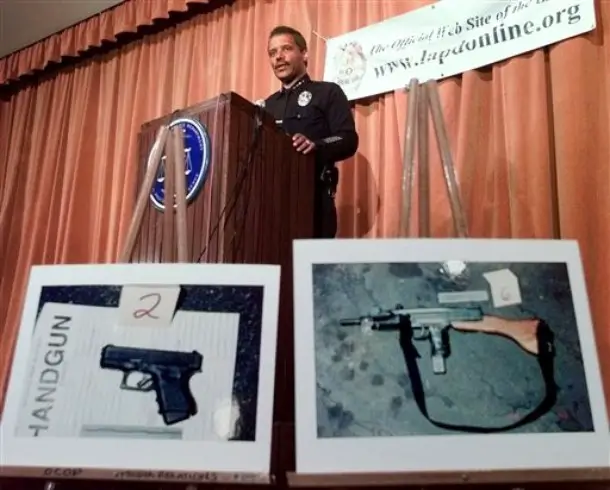
| Weapon / Mechanism of Death | Uzi submachine gun and 9mm Glock handgun |
| Motive / Behavioral Dynamics | White supremacy, antisemitism, racial hatred |
| Judicial Outcome | Life imprisonment without parole |
1. Background and Profile
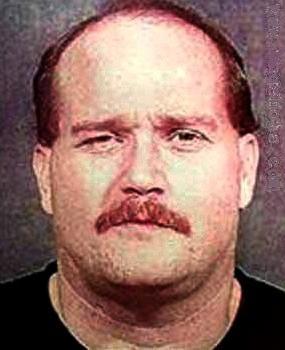
Buford O'Neal Furrow Jr. (born November 25, 1961) was an engineer who worked on the B-2 stealth bomber project. His criminal history included a 1998 conviction for assault with a deadly weapon at a psychiatric hospital in Washington. He was a known member of the Aryan Nations and held deep-seated white supremacist and antisemitic beliefs.
2. Crime Spree
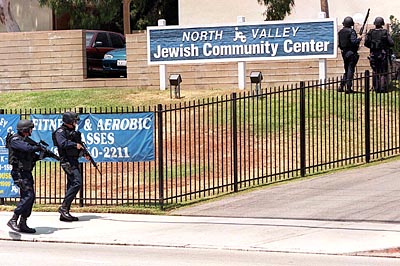
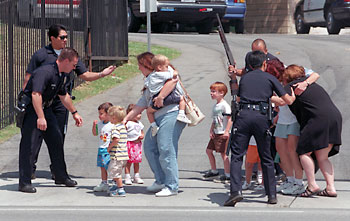
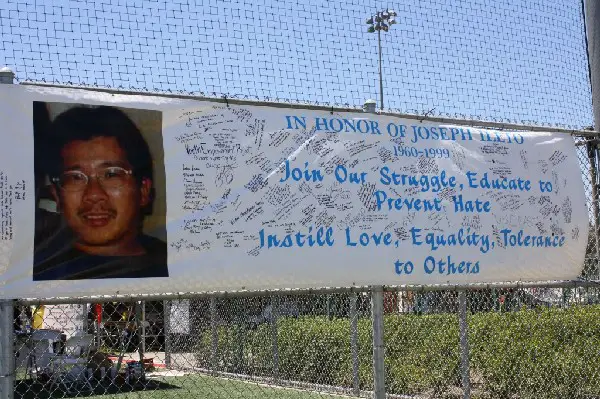
On August 10, 1999, Furrow entered the North Valley Jewish Community Center in Granada Hills, Los Angeles, with an Uzi submachine gun. He fired 70 rounds, wounding five people, including three children. Shortly after, he murdered Joseph Ileto, a Filipino-American postal worker, specifically targeting him due to his race and federal employment status.
3. Investigation and Arrest
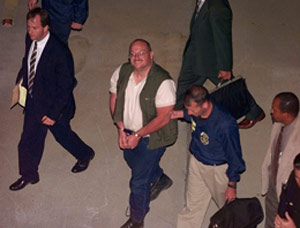
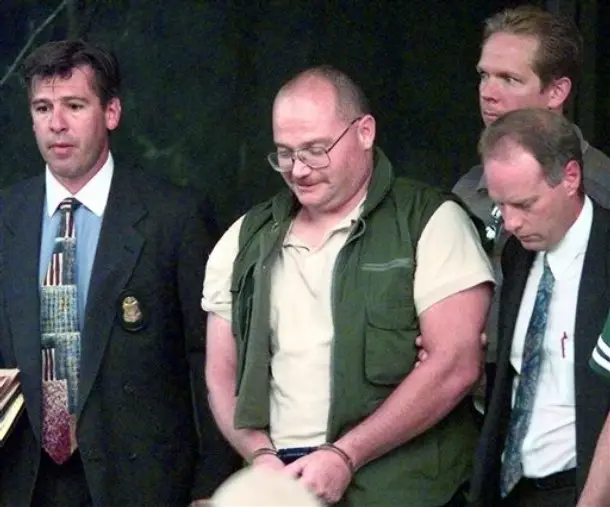
Following a massive manhunt, Furrow abandoned his van, which contained a significant cache of weapons and hate-group literature. He fled to Las Vegas, where he surrendered to the FBI, claiming his actions were intended to incite further violence against Jewish people.
4. Legal Proceedings and Outcome
Furrow faced federal charges for murder and hate crimes. In 2001, he pleaded guilty to avoid the death penalty and was sentenced to life in prison without the possibility of parole. He is currently incarcerated at the federal penitentiary in Terre Haute, Indiana.
5. Psychiatric Evaluation and Aftermath
While Furrow cited mental illness as a factor, the prosecution emphasized the premeditated nature of his crimes. In 2009, he issued a letter renouncing his past beliefs, though this was widely viewed with skepticism by the victims' families and criminologists.