



Forensic & Criminological Matrix
| Parameter | Forensic Detail |
|---|---|
| Forensic Heading / Aliases | null |
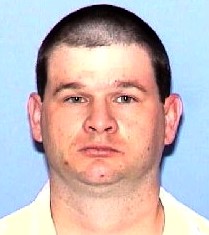
| Legal Identity | Kent William Sprouse |
| Confirmed Victims | 2 |
| Attributed / Indicted Victims | 2 |
| Active Timeline | October 6, 2002 |
| Jurisdiction / Area of Operations | Ferris, Texas, USA |
| Criminological Classification | Multiple murderer / Substance-induced psychosis |
| Forensic Modus Operandi | Use of sawed-off shotgun in public space |
| Weapon / Mechanism of Death | 12-gauge shotgun (buckshot) |
| Motive / Behavioral Dynamics | Methamphetamine-induced psychosis and paranoid delusions |
| Judicial Outcome | Death sentence (2004) |
1. Background and Profile
Kent William Sprouse was born on August 9, 1972, in Missouri. He had no prior criminal record before the 2002 incident. He worked as a welder and construction laborer. His mental health began to decline in late 2001, characterized by paranoid delusions, auditory and visual hallucinations, and intense distrust of government agencies. Despite a brief psychiatric hospitalization in 2002, his condition remained untreated.
2. Crime Spree
On October 6, 2002, at a gas station in Ferris, Texas, Sprouse engaged in a shooting spree while experiencing car trouble. He shot and killed Pedro Moreno, a civilian filling his truck with gas. When Officer Harry Marvin "Marty" Steinfeldt III arrived on the scene, Sprouse shot him twice with a sawed-off shotgun. Steinfeldt returned fire, wounding Sprouse before succumbing to his injuries. Sprouse was apprehended shortly thereafter by a second officer.
3. Investigation and Arrest
Forensic testing confirmed the presence of methamphetamines, cocaine, and cannabis in Sprouse's system. Witnesses noted his lack of emotion during the shooting. While hospitalized, he made incriminating statements regarding the killing of the officers, displaying belligerence and a lack of remorse.
4. Legal Proceedings and Outcome
During his trial in Ellis County, the defense presented evidence of Sprouse's mental illness. However, the prosecution's experts argued that his psychosis was substance-induced and that he understood the wrongfulness of his conduct. In February 2004, a jury convicted him of capital murder and sentenced him to death. Subsequent appeals regarding his mental state were denied by the Texas Court of Criminal Appeals.