




Forensic & Criminological Matrix
| Parameter | Forensic Detail |
|---|---|
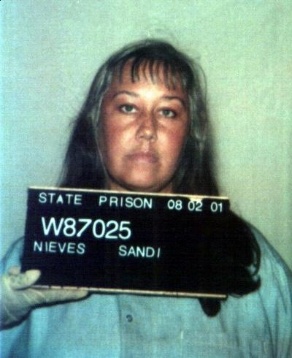
| Forensic Heading / Aliases | Dorothy Spourdalakis |
| Legal Identity | Dorothy Spourdalakis |
| Confirmed Victims | 1 (Alex Spourdalakis, 14-year-old son) |
| Active Timeline | June 2013 |
| Jurisdiction / Area of Operations | River Grove, Illinois, United States |
| Criminological Classification | Mercy killing / Altruistic filicide |
| Forensic Modus Operandi | Attempted pharmaceutical poisoning followed by sharp-instrument trauma to the thorax in a failed murder-suicide pact |
| Weapon / Mechanism of Death | Kitchen knife and prescription sleeping pills |
| Motive / Behavioral Dynamics | Severe caregiver burnout, systemic medical abandonment, and perceived liberation from institutional abuse |
| Judicial Outcome | Charged with first-degree murder; insanity and extreme emotional distress defense introduced by counsel |
1. Background and Profile
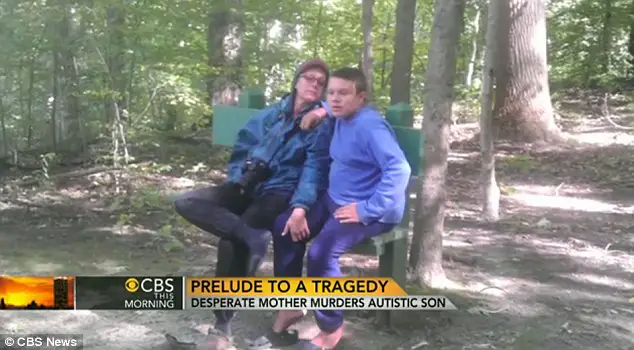
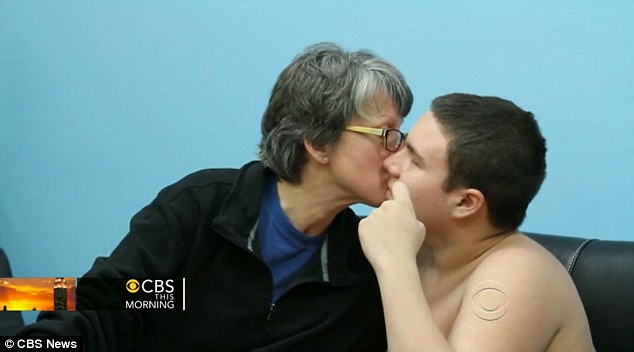
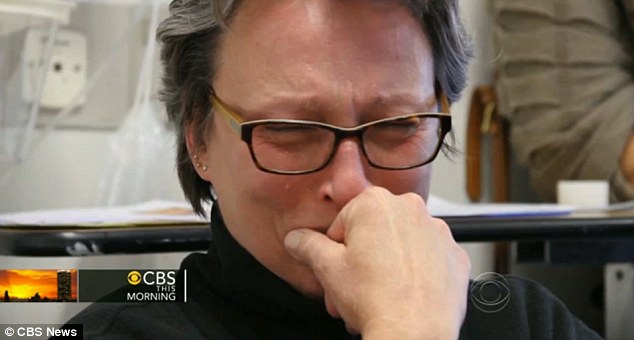
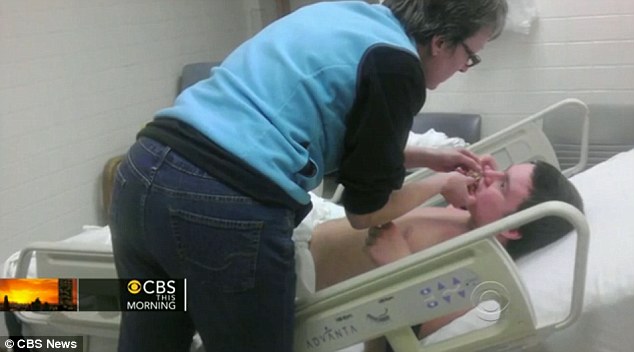
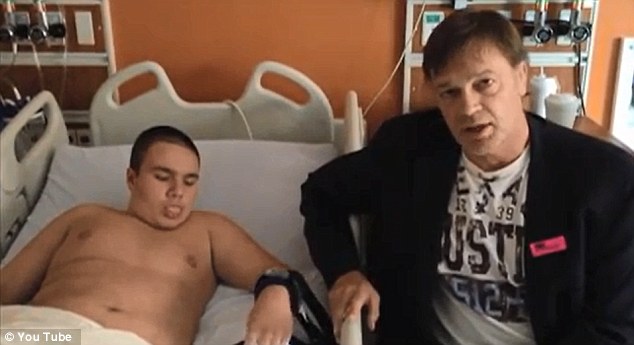
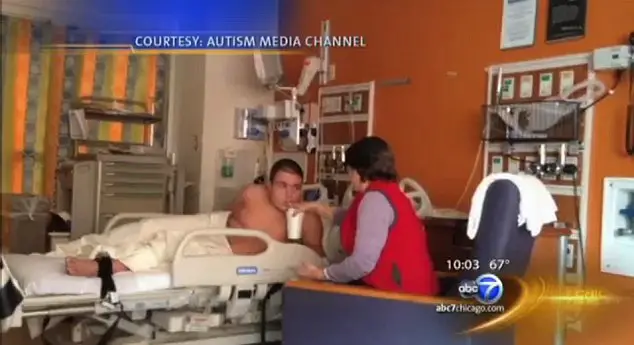
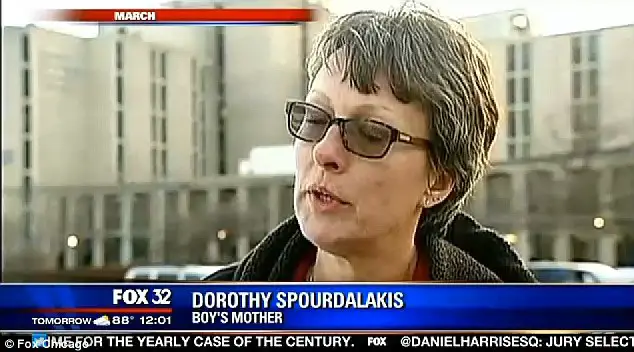
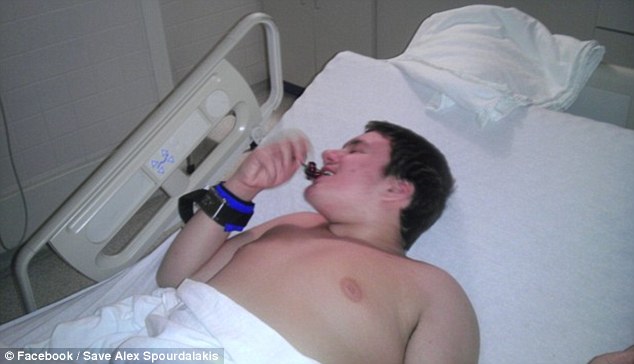
Dorothy Spourdalakis was a 50-year-old mother residing in the Chicago metropolitan area, Illinois. Her existence was defined by the overwhelming demands of solely raising her 14-year-old son, Alex, a non-verbal teenager with severe autism. Weighing approximately 225 pounds, Alex suffered from violent behavioral outbursts and severe gastrointestinal distress that remained undiagnosed by conventional medical practitioners. In the months preceding the homicide, Spourdalakis engaged in a fierce public battle against local hospitals after Alex was subjected to prolonged physical restraints during psychiatric crises.
2. Crime Spree and Modus Operandi
Over the weekend of June 8–9, 2013, inside an apartment in River Grove, Illinois, Dorothy Spourdalakis and her relative/caregiver Jolanta Agata Skrodzka executed a premeditated murder-suicide pact driven by despair. Convinced that no institution would properly care for Alex or alleviate his chronic pain, the women initially attempted to kill him using sleeping pills. When this method failed, Spourdalakis stabbed her son four times in the chest with a kitchen knife and slashed his wrist. Following the homicide, they handed the knife to Skrodzka, who euthanized the family cat to prevent it from entering a shelter, after which both women ingested a massive overdose of medication.
3. Investigation and Forensic Catch
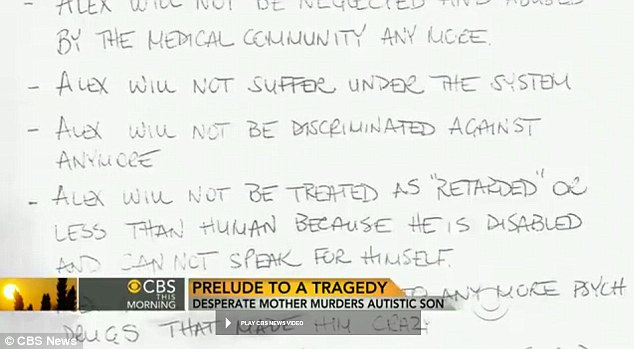
On June 9, 2013, River Grove police officers responded to a welfare check initiated by Alex's estranged father. Finding the bedroom door locked from the inside, authorities forced entry to discover the teenager deceased on the bed, alongside Spourdalakis and Skrodzka, who were unconscious from pharmaceutical poisoning. Investigators recovered a detailed handwritten suicide note authored by Spourdalakis, which outlined her grievances against the medical community and rationalized the killing as a merciful act to protect her son from further systemic abuse.
4. Legal Proceedings and Outcome
Following emergency medical treatment, Spourdalakis and Skrodzka were charged by the Cook County State's Attorney's Office with first-degree murder, characterized as a calculated and cold execution. Defense attorney Michael Botti announced considerations for an insanity defense, emphasizing that his client had exhausted every legal, medical, and financial door without receiving assistance for her disabled son.
5. Psychiatric Evaluation and Aftermath
Forensic psychiatric evaluations indicated profound caregiver burnout, major depressive disorder, and severe situational crisis. The case remains a landmark reference point in criminological studies regarding filicide driven by systemic abandonment, highlighting the ethical and practical fractures in disability support infrastructure within modern healthcare systems.